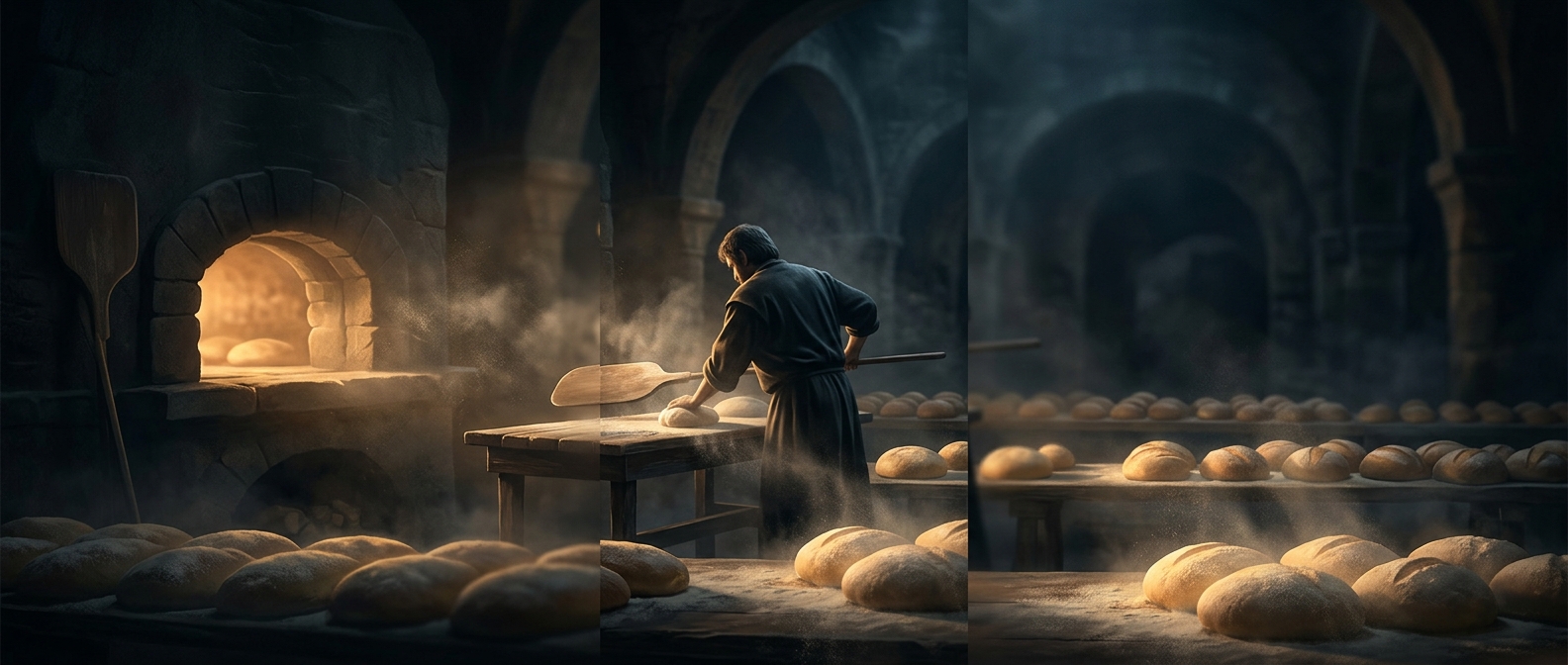
A baker’s work behind the poet’s name
Before Hafez became celebrated for his Persian poetry, he reportedly earned money as a baker’s apprentice. The work was physical and routine: kneading dough and moving flour, rather than composing verses. That detail places his education alongside the labor needed to afford it, not apart from everyday economic life.
Study had to fit around earning a living
An apprenticeship offered a practical way to support himself while pursuing his studies. The account does not tell us exactly how his days were divided, but it points to a familiar tradeoff: time spent at work was also time that could not be spent reading or learning. His path to poetry therefore involved more than literary talent; it required making room for study within the demands of paid labor.
The contrast is what makes the story memorable: the poet later known for intricate verse began, according to this account, with flour to haul and dough to knead.