Reading evidence in wartime
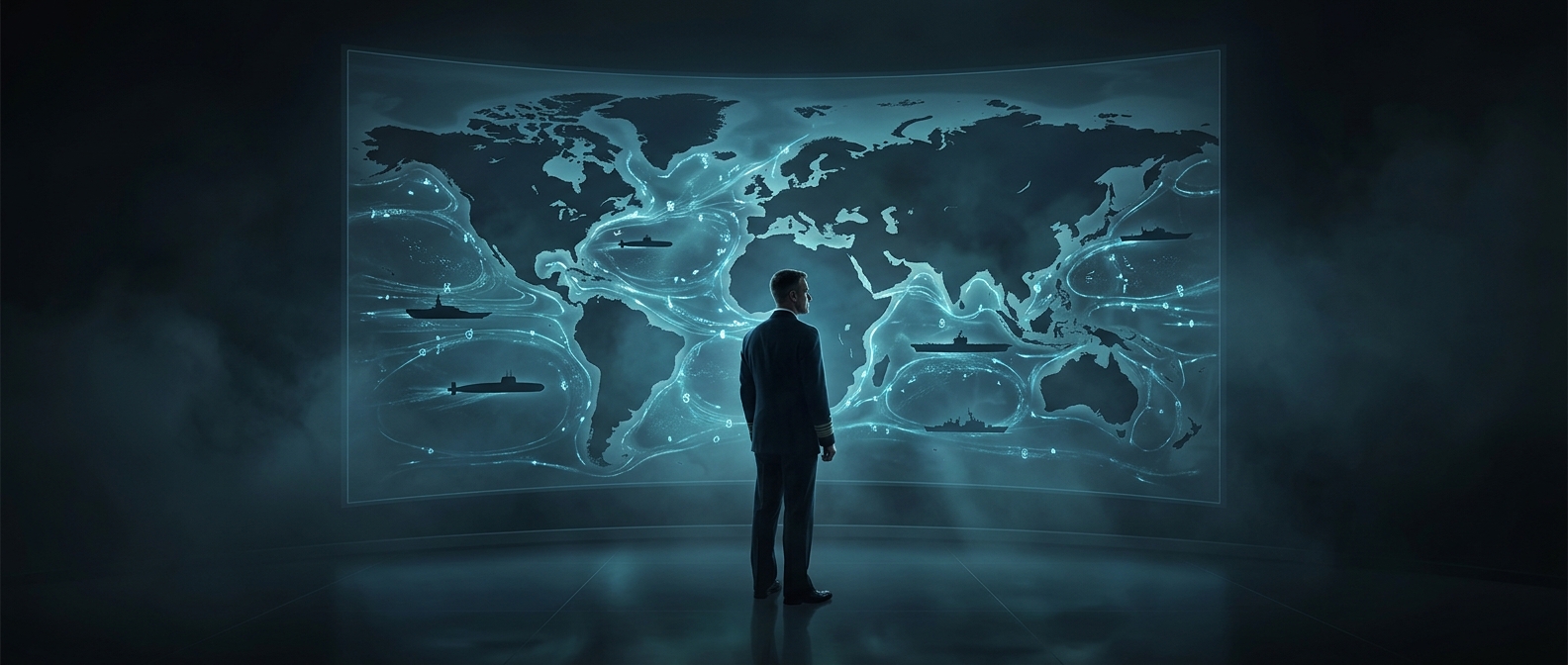
Evelyn Underhill’s work for British Naval Intelligence placed her inside an effort to make decisions from incomplete information. Naval intelligence gathered and assessed reports relevant to Britain’s fleet and its enemies. The work depended not on a single dramatic revelation but on handling details carefully, judging what they might mean, and keeping sensitive information confidential.
The surviving biographical accounts establish her wartime service, but do not provide a detailed record of her assignments. It is safest, then, not to picture her directing operations or to assign her a specific intelligence specialty. The contrast is striking enough without embellishment: a writer known for studying mystical experience also served in a government office dealing with the practical uncertainties of war.
Two ways of interpreting the unknown
Underhill’s interests and her wartime work were not the same pursuit. Mysticism asks how people understand experiences they regard as transcending ordinary life; intelligence work tries to infer concrete events from fragments of evidence. But both demand close attention to material that can be ambiguous—and caution about claiming more than it supports.
That overlap makes her wartime role more than an unlikely biographical footnote. It shows how a life of religious and literary inquiry could intersect with the state’s urgent, secret labor, where the consequences of interpreting evidence reached far beyond the page.