How contaminated dust carries histoplasmosis
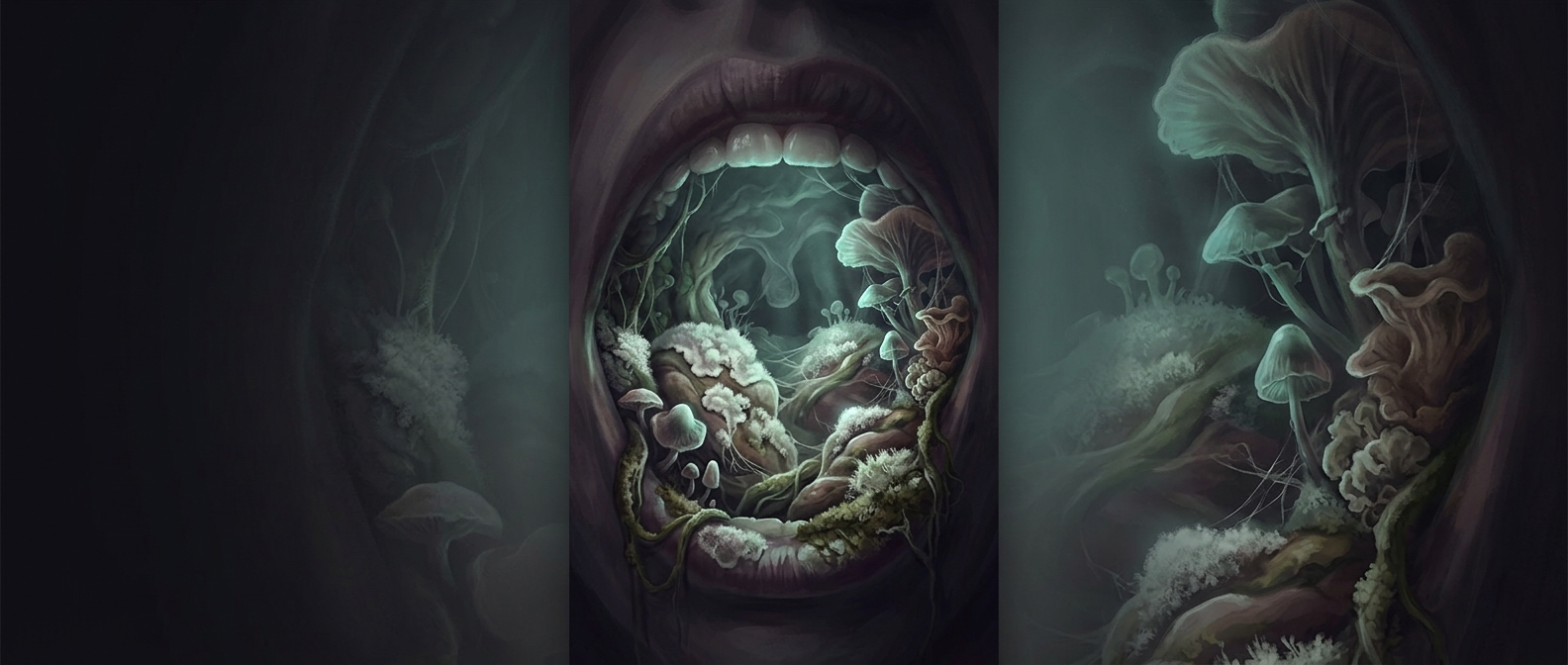
Histoplasmosis begins with Histoplasma, a fungus that can grow in soil enriched by bat or bird droppings. As the fungus grows, it produces tiny spores. When dried, contaminated material is disturbed—during cleanup, digging, or work in an enclosed roost, for example—the spores can mix with dust and become easy to breathe in.
The danger is hard to judge by sight: a cloud of ordinary-looking dust may contain spores, and the droppings themselves do not need to be touched for exposure to occur. The route into the body is the lungs, not a bite or direct contact with an animal.
What happens after the spores are inhaled
In the lungs, the spores can change into a form of the fungus that can survive inside immune cells, the cells that normally engulf invading microbes. The immune system’s response can cause fever, cough, fatigue, and other flu-like symptoms. Many infections cause no symptoms or remain mild, but illness can become severe, particularly when a person’s immune defenses are weakened.
That sequence explains why disturbing a contaminated site matters: breaking up droppings or soil can turn a settled hazard into airborne particles. Avoiding dust is therefore central to reducing exposure during cleanup or renovation in places where bats or birds have roosted.