Why a Lookalike Can Feel Like an Omen
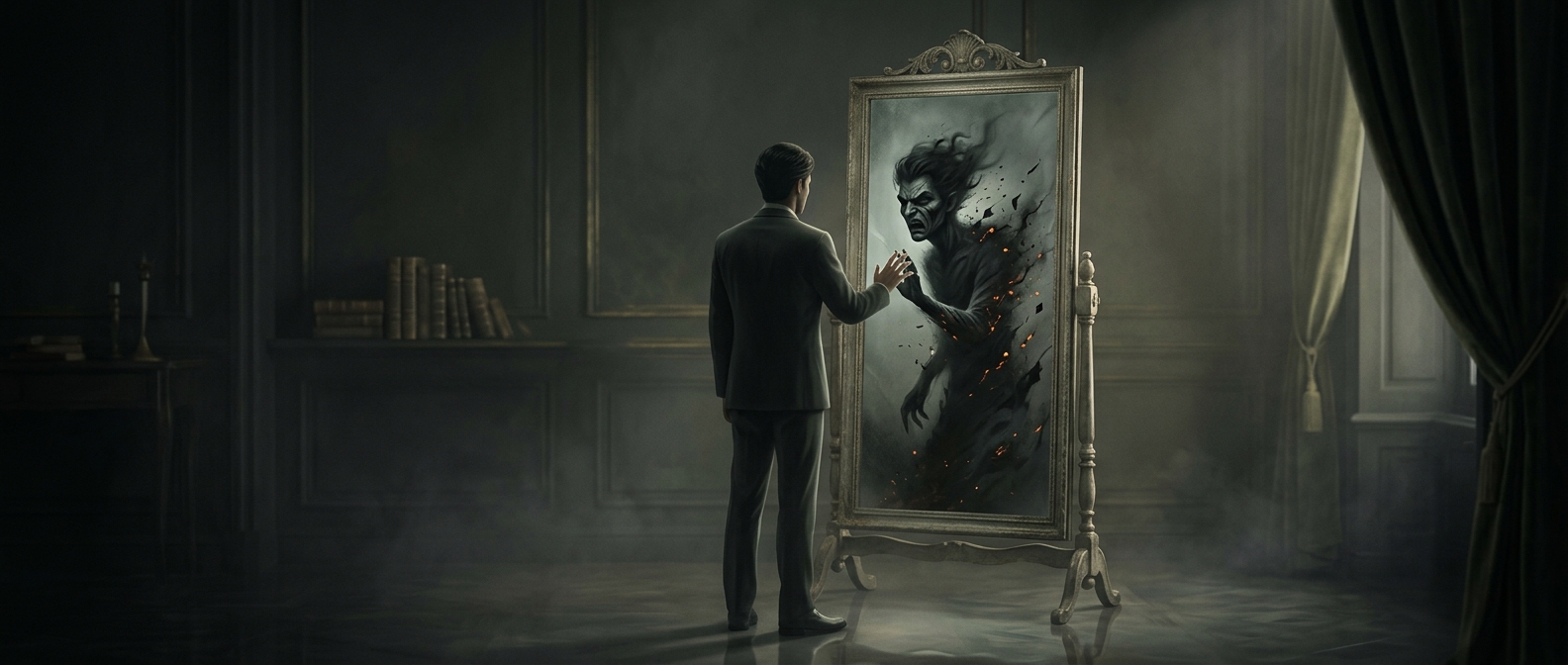
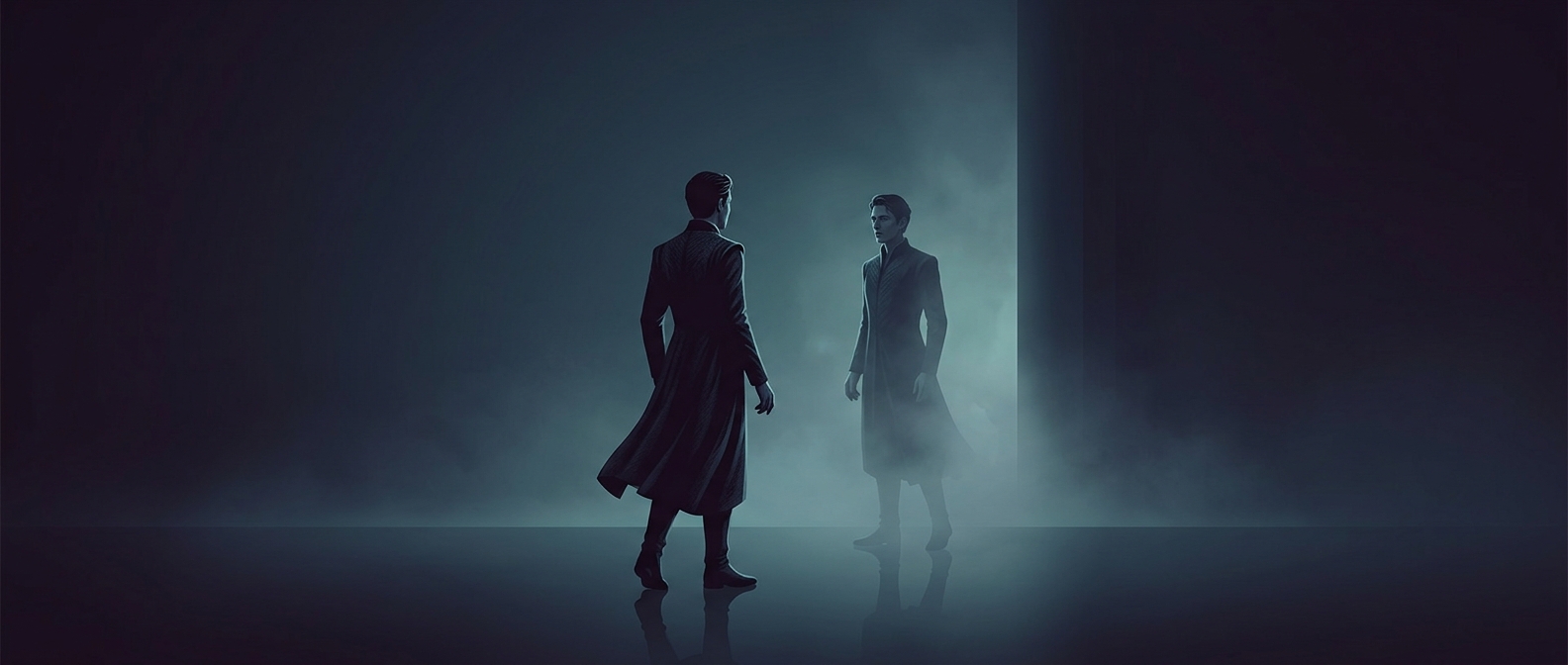
A person who seems to be your double unsettles a basic assumption: your face is a reliable way to identify you. In folklore, that disturbance often became a story about danger. The doppelgänger—the apparent double of a living person—could be treated as a warning of death or misfortune, giving an eerie coincidence a meaning people could recognize and retell.
That interpretation belongs to tradition, not to a demonstrated ability to predict the future. The story’s force comes from the encounter itself: a familiar face appears where it should not, attached to someone who is unmistakably a stranger.
The Double Is Not the Same as a Twin
A lookalike need not be an exact copy. People can seem strikingly similar because they share visible traits such as facial proportions, coloring, or hairstyle. A haircut can make the resemblance more convincing, while differences in expression, voice, and movement become clearer once the two people interact.
That gap between resemblance and identity is what makes the encounter so memorable. The folklore turns it into an omen; the ordinary explanation is that human faces can overlap in appearance. Either way, the unsettling detail is not that a stranger has literally become you, but that for a moment your own features seem to belong to someone else.