What “ego death” feels like from the inside
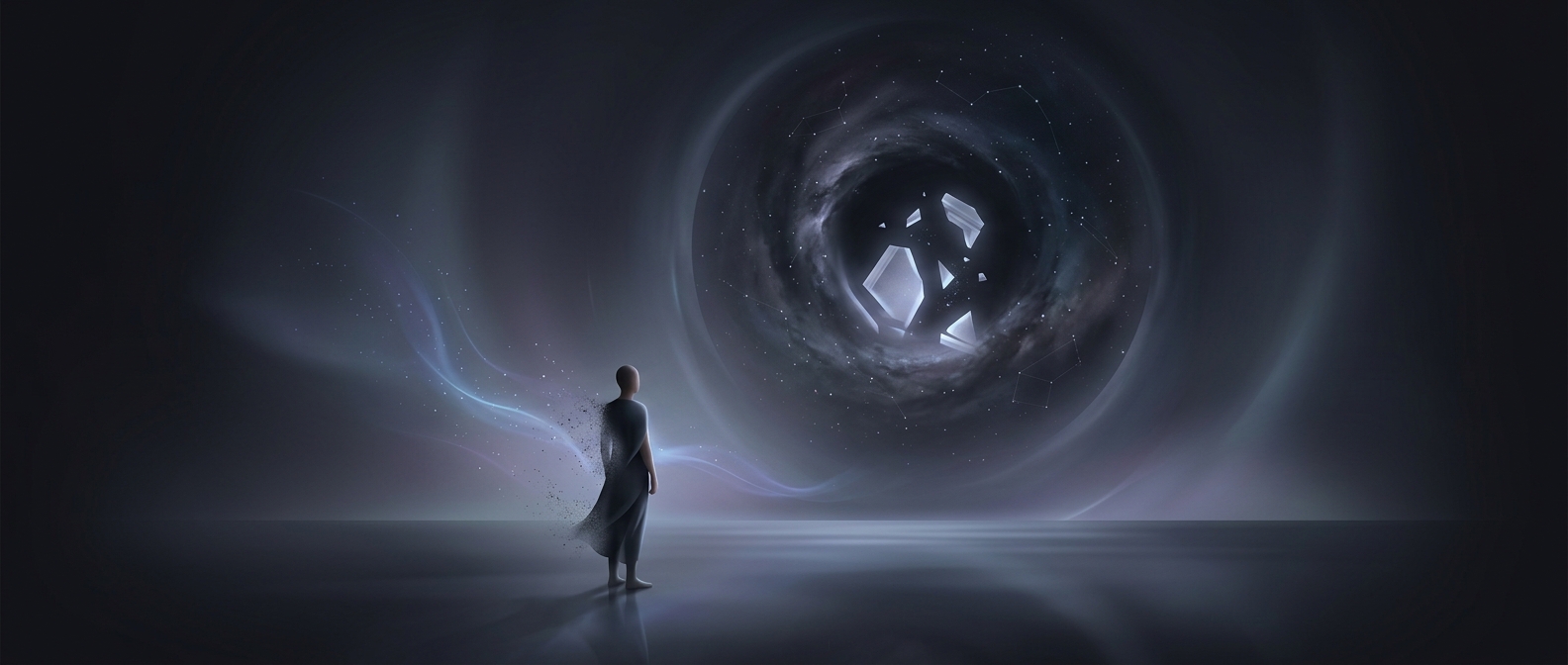
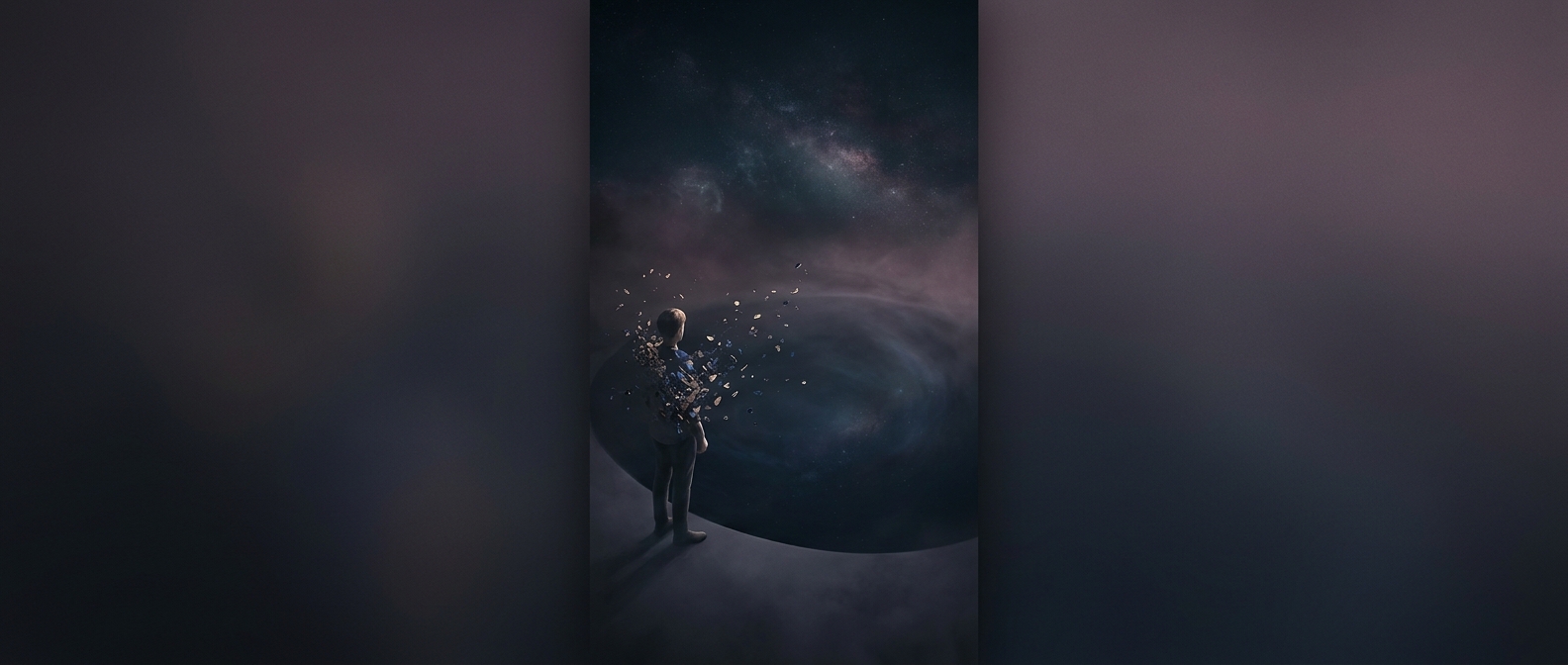
“Ego death” is a name for an experience in which the familiar sense of being a distinct, continuous “me” becomes dramatically weaker or seems to disappear. The body may still be present, and a person can still perceive the surroundings, but thoughts, memories, and sensations may no longer feel organized around a solid inner owner. Some describe a sense of unity with the world; others experience confusion or fear.
Here, “ego” does not mean vanity. It means the ordinary self-picture that helps connect “I am thinking,” “this is my body,” and “this is happening to me.” The phrase describes a change in experience, not literal death or proof that a separate self has been destroyed.
How the usual sense of self can loosen
In everyday life, the brain continually links perception, memory, bodily feeling, and expectation into a workable point of view. When that familiar organization shifts—during some spiritual practices or altered states, for example—the boundaries between self and surroundings can feel less definite. The experience can be profound without having one universal cause or interpretation.
For spiritual seekers, that loosening may be understood as detachment from the usual self or a glimpse of unity. Those interpretations belong to particular traditions and personal frameworks; the experience itself does not settle what the self ultimately is.
Why the aftermath matters
A striking moment does not automatically produce lasting insight. Its effects depend partly on how a person makes sense of it afterward: the same loss of familiar boundaries may feel freeing to one person and unsettling to another. That is why “ego death” is best understood not as a spiritual achievement with a guaranteed result, but as an intense shift in the way selfhood is experienced.