Why a Glacier Walk Costs More Than a Trail Hike
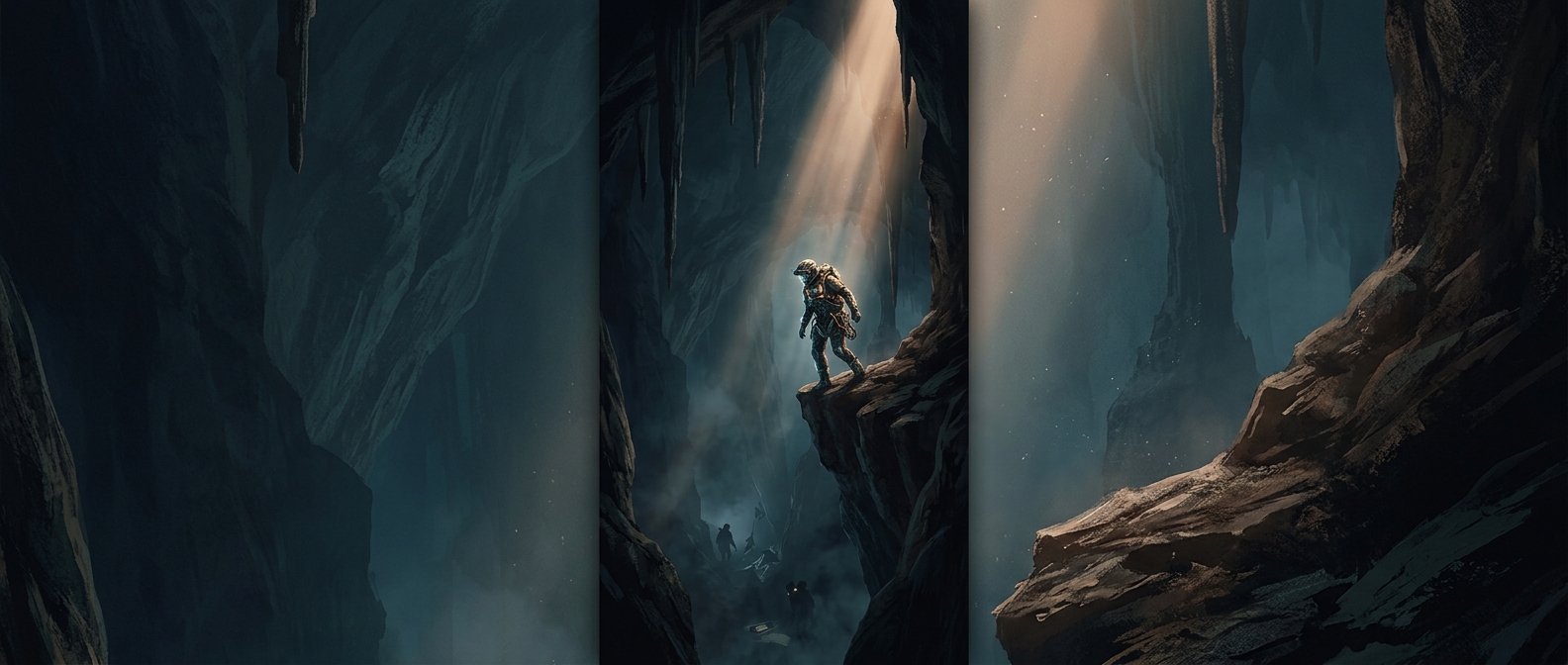
The price reflects a safety system, not just a set of unusual clothes. On a glacier, ordinary hiking equipment may fail at the point it matters most: crampons—the metal spikes that grip ice—must fit the boots securely, while thermal layers help hikers stay warm if wind, wet clothing, or a slower pace extends the outing.
That gear has to be selected for the conditions, kept in usable shape, and fitted to the people wearing it. A mismatch can turn equipment intended to improve traction or warmth into a distraction or hazard. Those requirements make glacier-ready equipment less interchangeable with the familiar gear people bring on a regular hike.
What the Guide Is There to Do
A trained guide contributes more than route knowledge. The guide helps the group use its equipment, judge whether conditions and the group’s pace remain manageable, and respond if someone becomes cold, injured, or unable to continue. In a remote, exposed setting, that expertise and rescue readiness are part of the operation even when no emergency occurs.
This creates a cost that does not shrink neatly with each additional hiker: the group still needs appropriate oversight and support. The expedition’s price therefore includes preparation and risk management, not only the hours spent walking.
The Cost of Being Ready
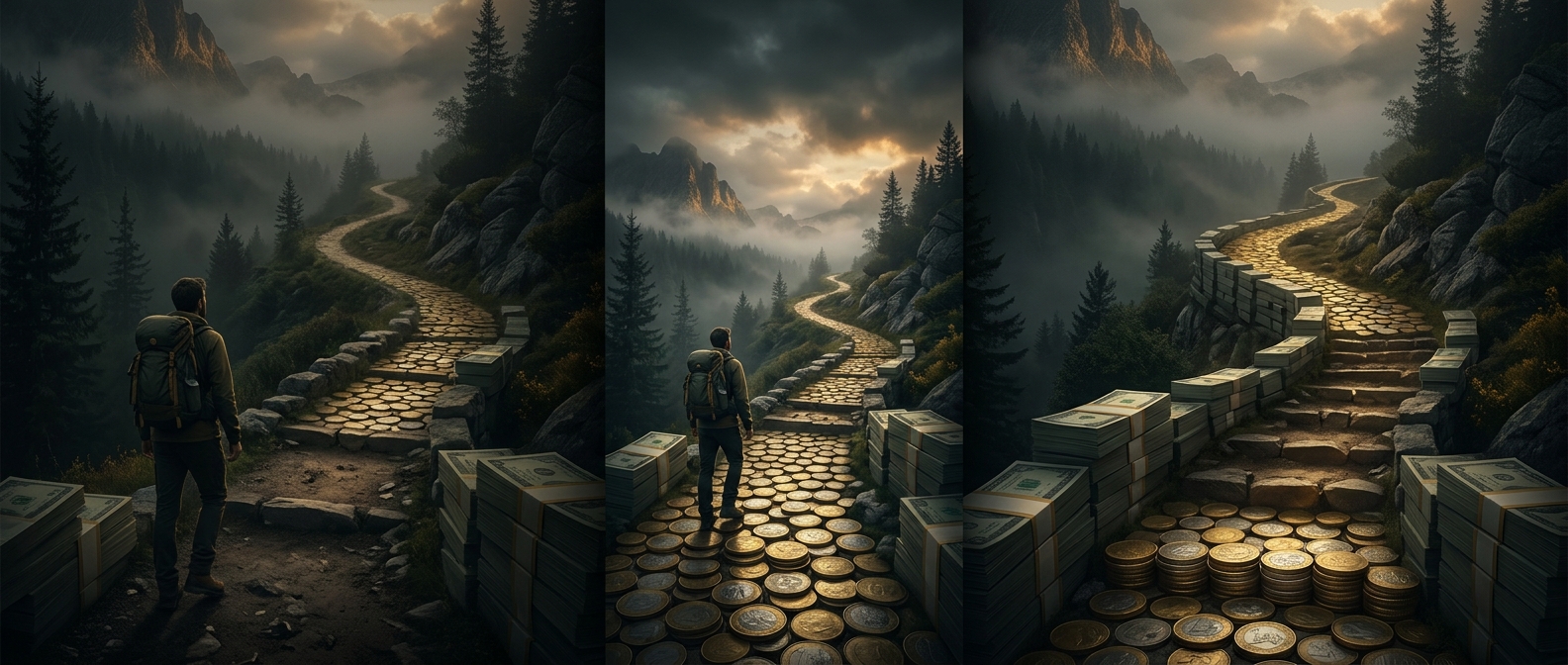
For visitors, renting or buying specialized gear can make a short outing feel surprisingly costly. For operators, the tradeoff is between charging enough to maintain suitable equipment and trained support, and keeping an experience accessible. The visible hike may last only a few hours; the safety capacity behind it has to be ready before the group steps onto the ice.