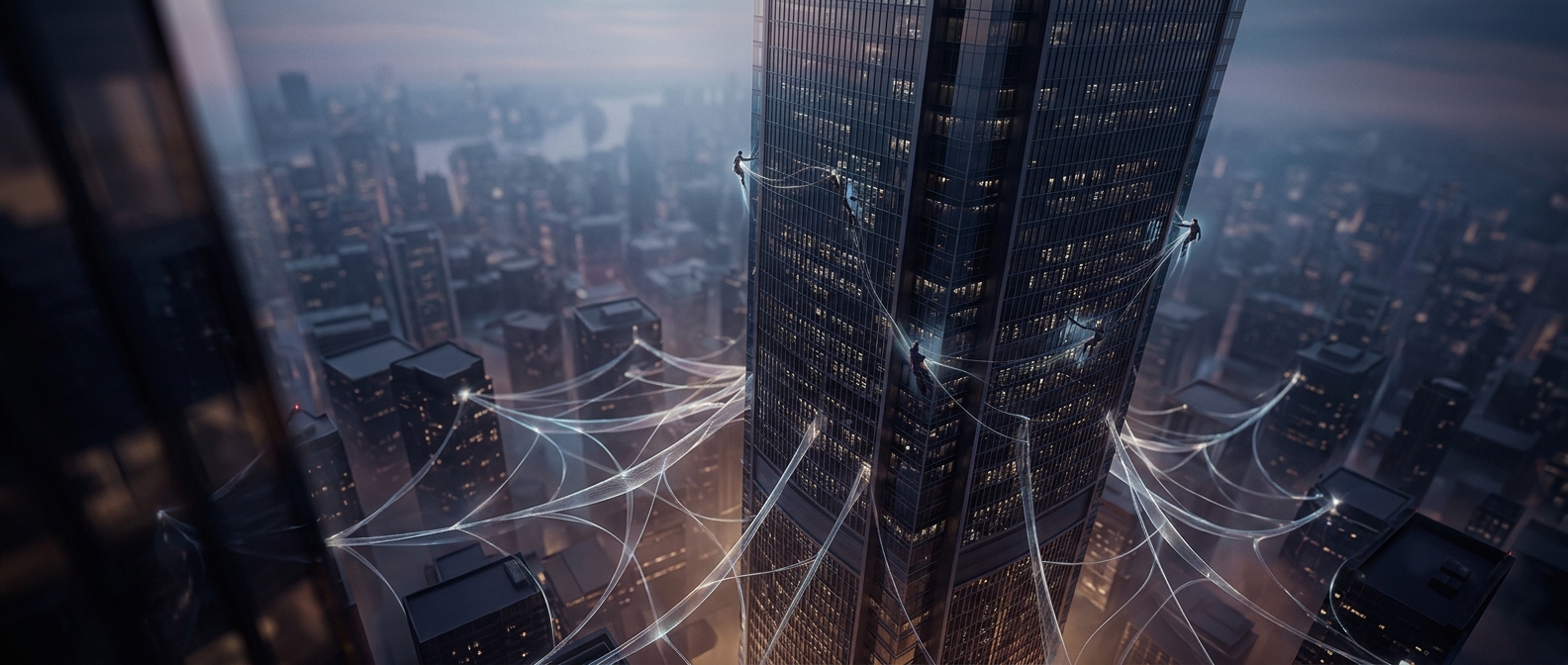
How insurers keep one disaster from becoming a company-wide shock
An insurer does not usually pass every policy’s risk to another company. It decides how much loss it can absorb itself, then buys reinsurance for losses beyond that level or for a share of a particular portfolio. The arrangement is set in advance: it specifies which claims count, when the reinsurer must pay, and how much of the bill it will cover.
That structure matters after a hurricane. Damage to many homes and businesses can produce a surge of claims at once, so the insurer’s losses are correlated—they rise together rather than arriving as isolated events. Reinsurance shifts some of that concentrated exposure to a company that may hold risks across different regions and types of insurance. Spreading losses more widely can make a single catastrophe less destabilizing for any one insurer.
Risk can travel farther up the chain
Reinsurers face the same concentration problem. If a major disaster creates large obligations across many companies, a reinsurer may buy its own coverage from another reinsurer, a practice called retrocession. Each transfer can distribute part of the potential loss, but it does not make the loss disappear: every company in the chain accepts a defined share in exchange for payment.
The tradeoff is that protection costs money and comes with limits. Insurers must pay reinsurance premiums, and the coverage may not pay for every kind or amount of loss. In return, it can help them avoid having to fund the entire catastrophe from their own resources—and can support their ability to keep offering coverage in places exposed to severe storms. The chain is a way to divide a shock before it hits, not a promise that no company will feel it.