The iPhone can give away a mystery
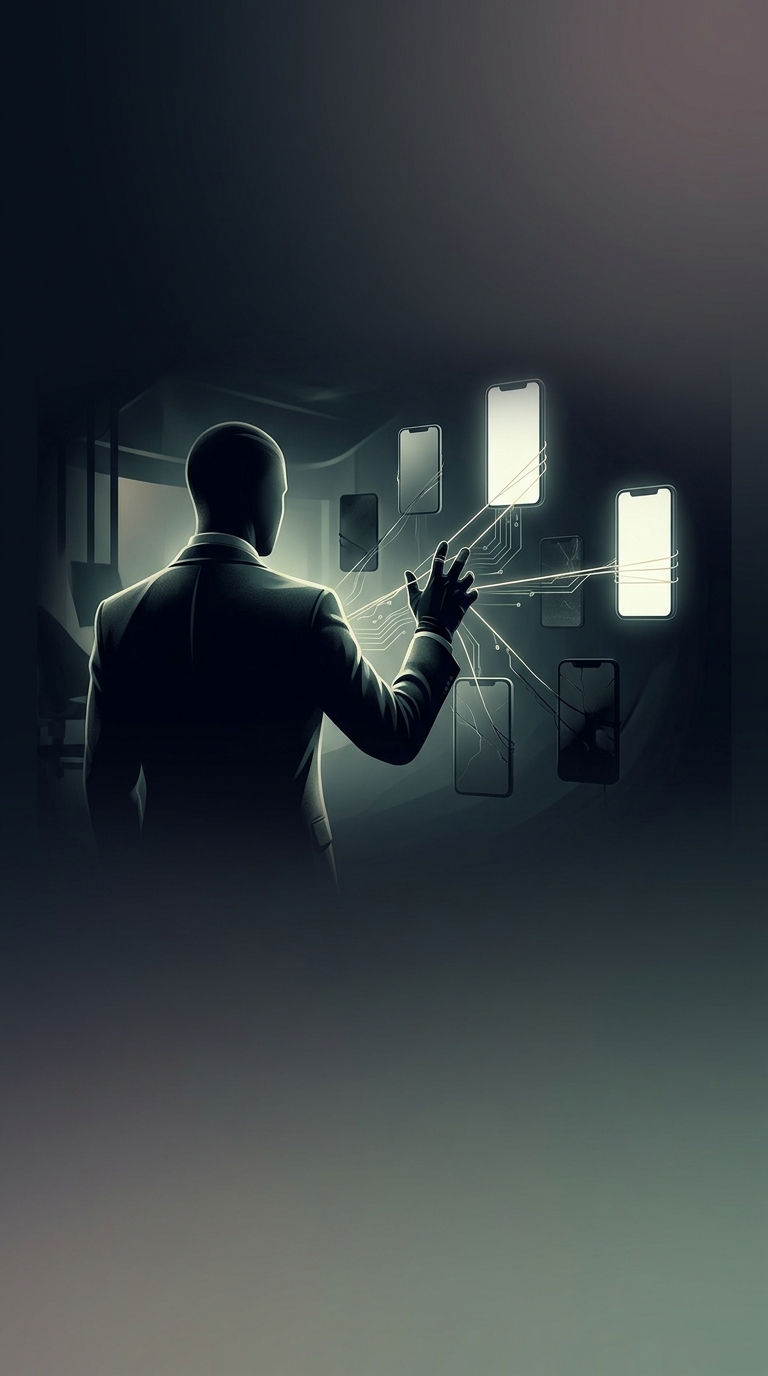
In a 2020 interview, Knives Out director Rian Johnson described a revealing constraint: Apple allows its products to appear in films, but villains cannot be shown using iPhones on camera. In a murder mystery, that can turn a familiar smartphone into an unintended clue. If one character is visibly using an iPhone, viewers may infer that the character is not the culprit.
That matters because filmmakers carefully control what the audience sees. A phone is not just a prop: showing its screen, brand, or user can shape how viewers interpret a scene. A restriction on who carries a recognizable device can therefore affect blocking—the placement and movement of actors—and which shots make the final cut.
A clue, not a complete solution
The trick works because Apple’s products are so recognizable. A laptop logo or the distinct look of an iPhone can identify the brand without dialogue, making the device a kind of silent product placement. But in a whodunit, that visibility also gives away information about the story.
It is best treated as a filmmaking tell, not a foolproof detective tool. Johnson’s account explains a constraint he encountered; it does not establish a publicly documented rule covering every Apple product, production, or movie. Still, once you know the convention, a close-up of a character’s phone can feel less like a casual detail—and more like a clue the director may not want you to miss.