
A closer look
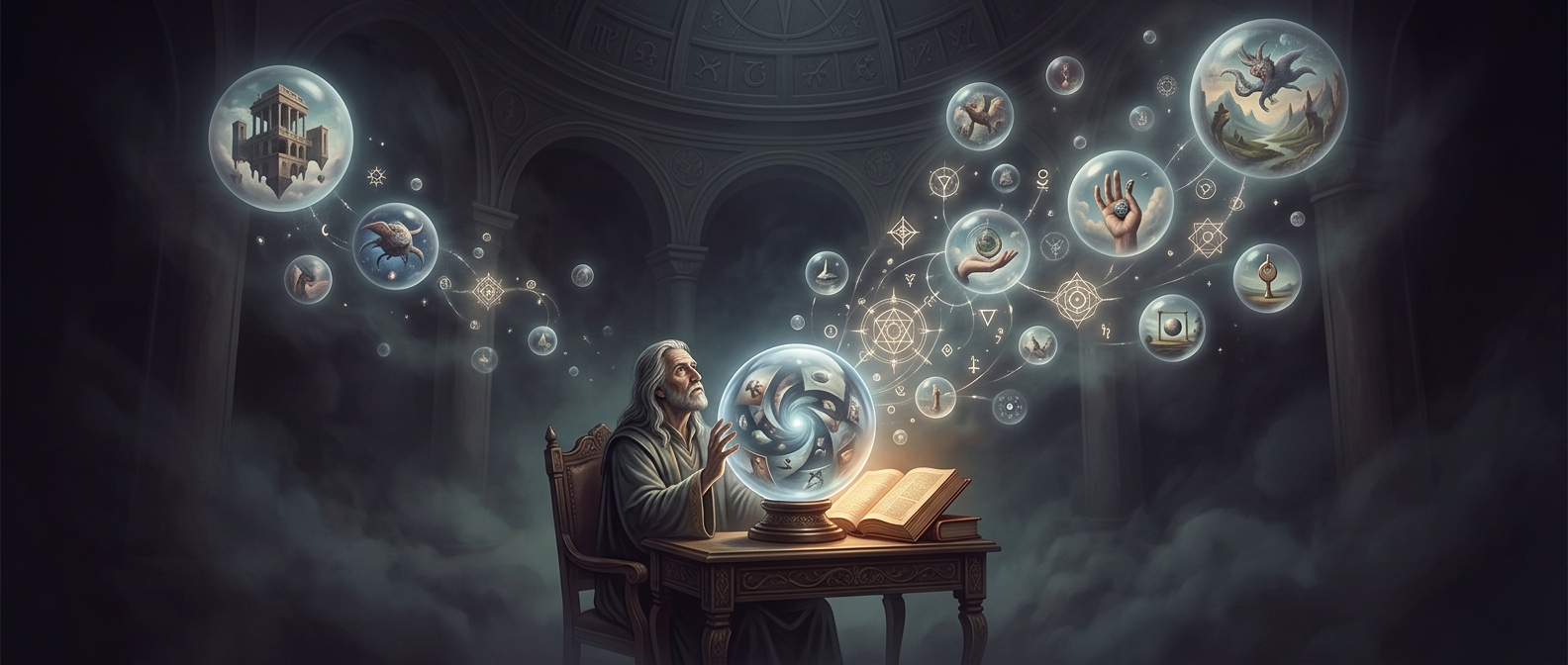
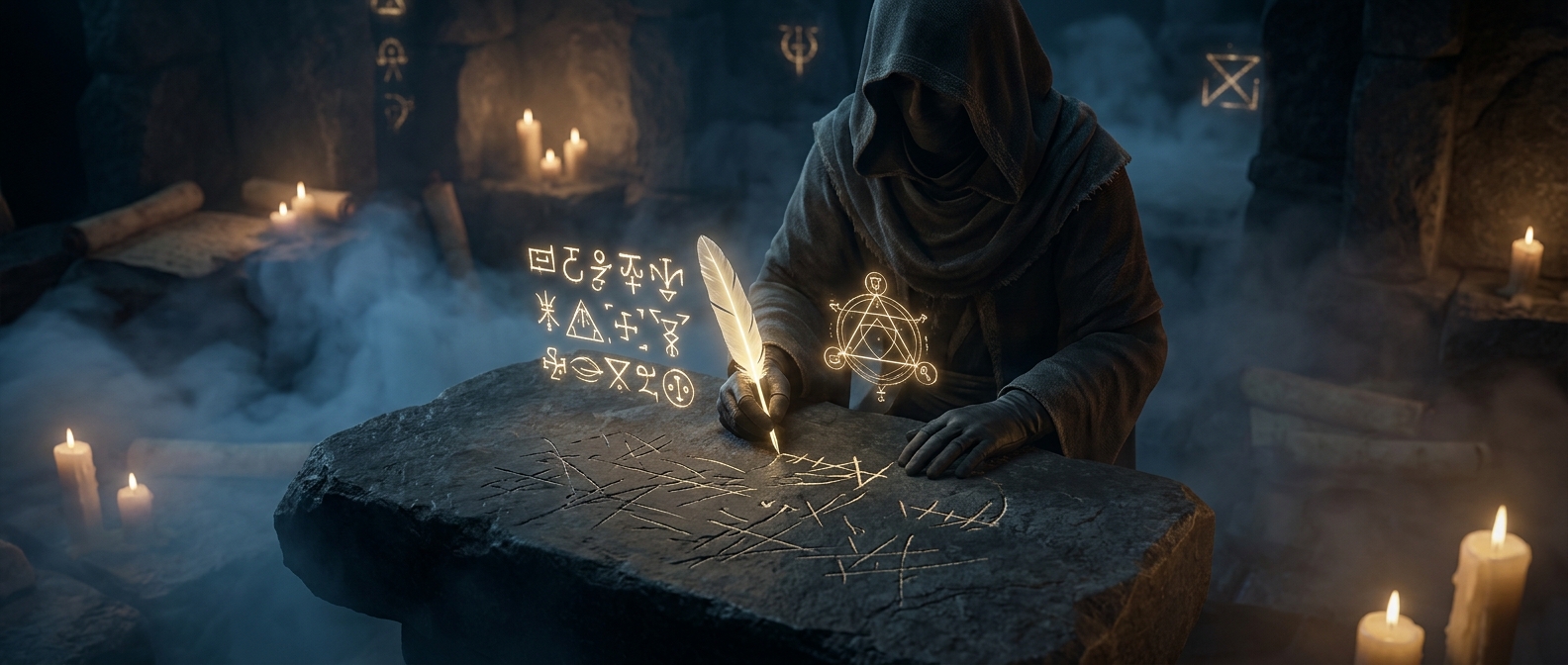
Long before Google Maps, villages had dream-interpreters—the friend who claimed that seeing a black bird meant harvest struggles, or that lost teeth pointed to sudden change. Behind this mystical folklore sits something very practical: a community translating scary ambiguity into symbols everybody could understand. Dreams became a shared language. Today, even if you don’t believe that teeth mean change, tracking your own dream symbols is quietly useful. If crows appear whenever you’re stressed, or storms hit in your REM sleep before deadlines, your mind has its own code. Writing these down is like building a personal lexicon for intuition—crazy turns meaningful when you notice patterns that belong uniquely to your life. In an age where calendars run our days, dreams remain uncensored authors of the night.