How a Wheel Became 360 Images
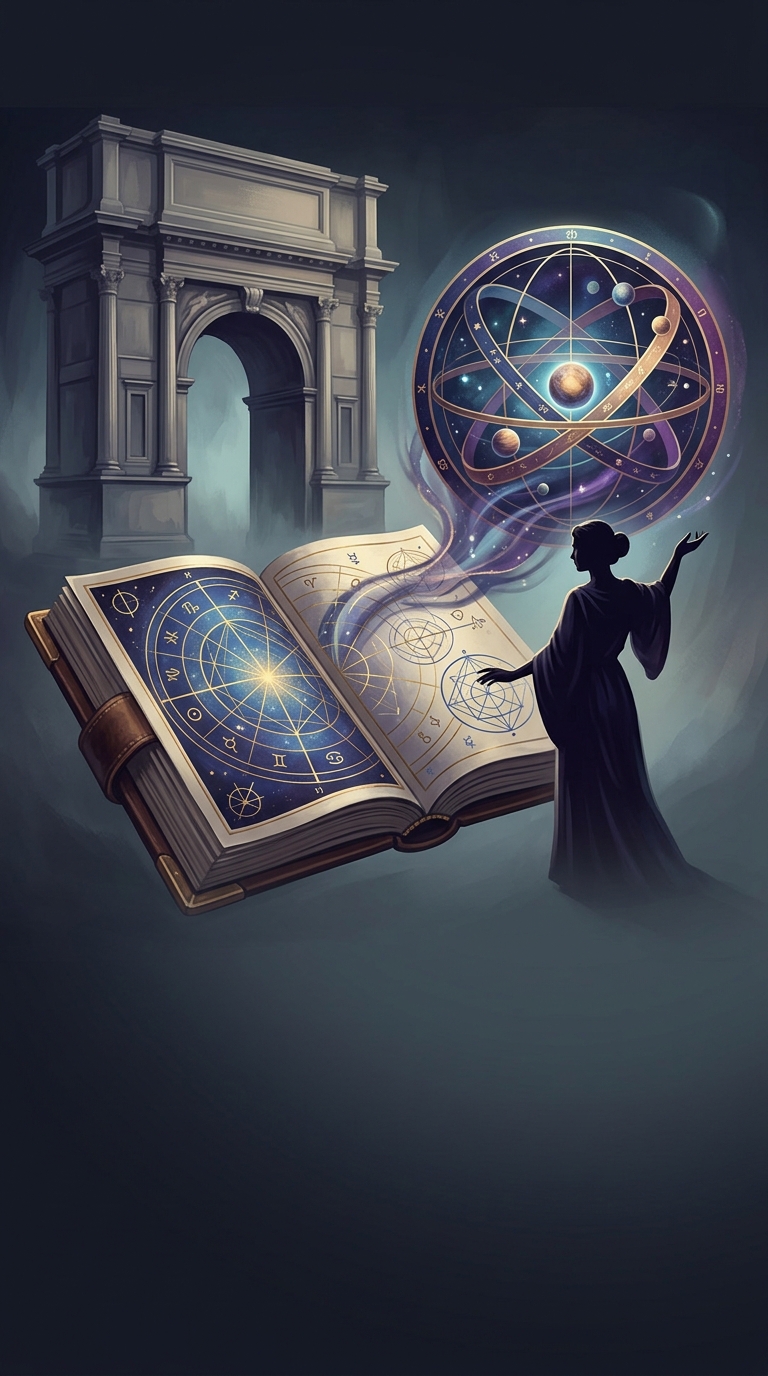
The Sabian symbols began as an attempt to give each of the zodiac’s 360 degrees its own image. In the 1920s, astrologer Marc Edmund Jones worked with clairvoyant Elsie Wheeler, who supplied a scene for each position as Jones recorded it. The method turned an abstract circle of numbers into a catalog of tiny, often puzzling vignettes.
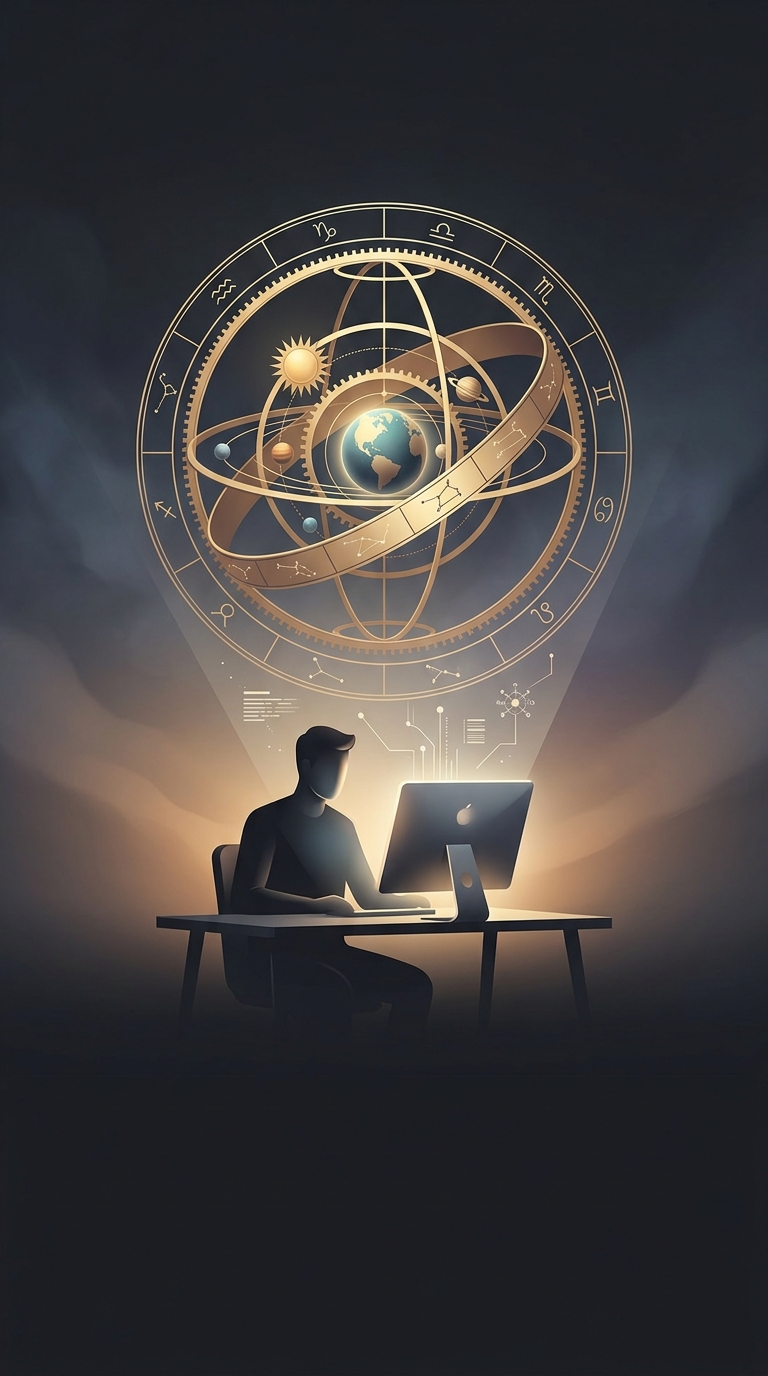
A zodiac degree is one of 360 slices of the full circle: each of the 12 signs contains 30. In astrology, a planet’s precise position can therefore be described not just by its sign, but by its degree. Sabian symbols attach a short scene to that finer point.
Why the Scenes Are So Strange
The images are not straightforward predictions or personality labels. They are compact symbols, meant to invite interpretation. A bald man in uniform staring at a wall, for example, offers details—rank, appearance, a fixed gaze, a blank surface—without telling the reader what they add up to. An astrologer might treat those details as clues to a theme, but the scene itself does not dictate one definitive meaning.
That openness is part of the system’s appeal: interpreters can connect an image to the astrological position where it falls and to the chart as a whole. It also means readings depend heavily on symbolic judgment rather than on a direct, testable translation from image to event.
The lasting effect was to make the zodiac feel less like a grid and more like a sequence of miniature scenes. Even a degree that might otherwise look like a technical coordinate can become memorable—because somewhere in the circle, a uniformed man is still facing a wall.