Why Esoteric Diagrams Can Look Unfamiliar
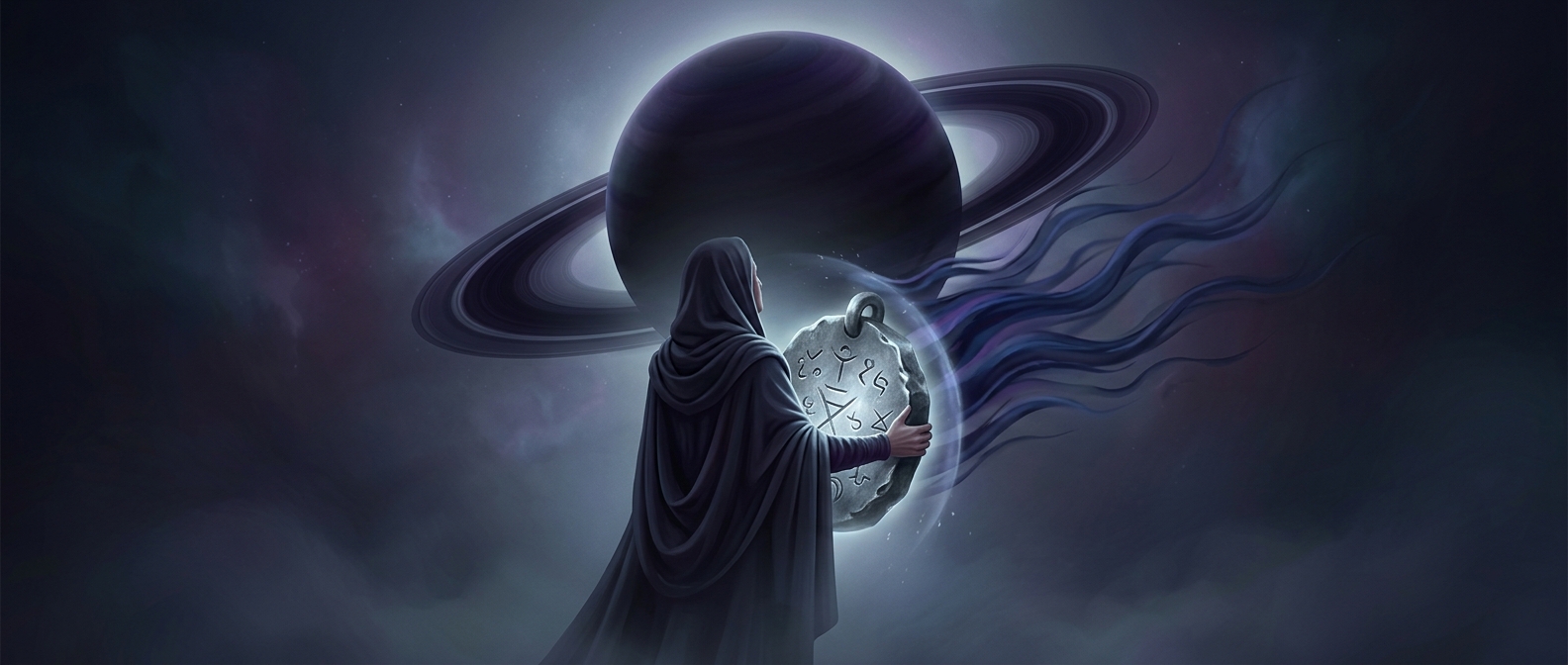
A ritual diagram is not necessarily meant to depict an object or scene. In many esoteric traditions, lines, circles, letters, and repeated marks function as symbols arranged according to a system. Their meaning may depend on the tradition, the order in which they are drawn, or where each mark sits—not on whether the whole design looks recognizable to an outsider.
That is why a page can seem like random scrawling while still being deliberate. A crossing line or enclosed space may mark a boundary, a direction, or a relationship among symbolic forces. The same shape can carry different meanings in different practices, so there is no universal key that turns every such drawing into a readable picture.
The Drawing Is Part of the Practice
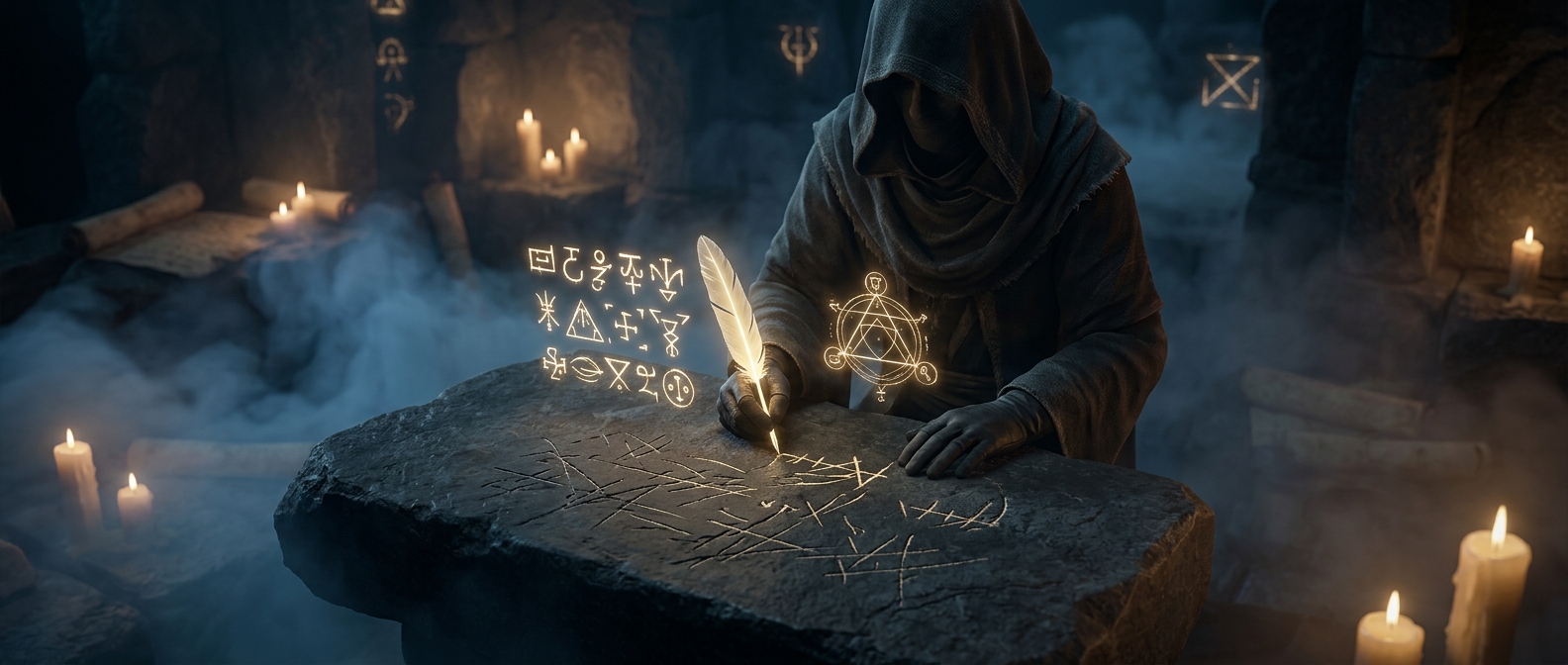
Making the diagram can matter as much as looking at it. Repeating a prescribed sequence gives the practitioner something precise to attend to: where to begin, which stroke comes next, and how the parts fit together. The finished pattern can serve as a visual focus during a ritual or meditation, while the act of drawing helps organize attention around the symbols.
In that sense, the marks are less like a sketch meant to be admired and more like a written procedure rendered in space. Without knowing the tradition and its conventions, a viewer sees the strokes but not the instructions behind them—which is what makes an intricate diagram look like chicken scratch from the outside.