A hammock could become evidence in a wreck inquiry
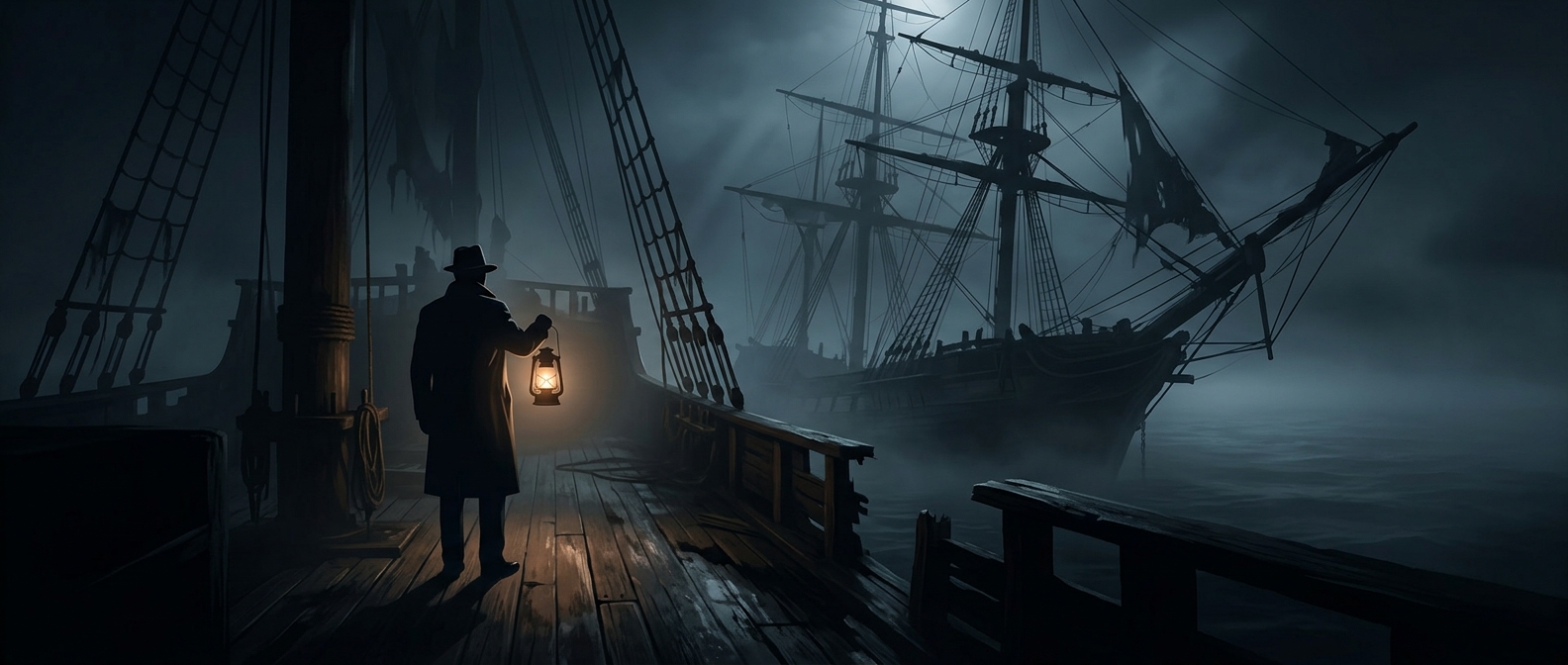
After a ship was lost, investigators had to work backward from scattered clues: who had been aboard, what had survived, and how the disaster had unfolded. A hammock was more than bedding. It could help identify where a sailor slept and whether that berth—or its occupant—was accounted for after the wreck.
That made missing hammocks useful when compared with other evidence. If a sailor was unaccounted for and the ship’s rigging had fallen, investigators could consider whether the collapse had struck the sleeping area. The hammock alone could not prove what happened; its value came from matching it against crew records and the physical evidence of the wreck.
Why insurers cared about the details
A shipwreck could trigger competing financial claims, so establishing who had died and how the loss occurred mattered. Reconstructing the sequence was painstaking: a personal item might help narrow down where someone had been, while the condition of the rigging could suggest what had happened there.
The result was a kind of maritime detective work in which ordinary shipboard equipment became part of the case. A missing hammock was not just missing property—it could help investigators turn an otherwise opaque wreck into a more specific account of who was caught beneath falling rigging.