One mark for a shared production
The tattoos turned a demanding filming arrangement into a lasting group emblem. Rather than making each film separately, the cast and crew worked on the Lord of the Rings trilogy as one extended production in New Zealand. That meant returning to the same characters and story world across a long, tightly connected stretch of filming—not simply meeting for one movie and moving on.
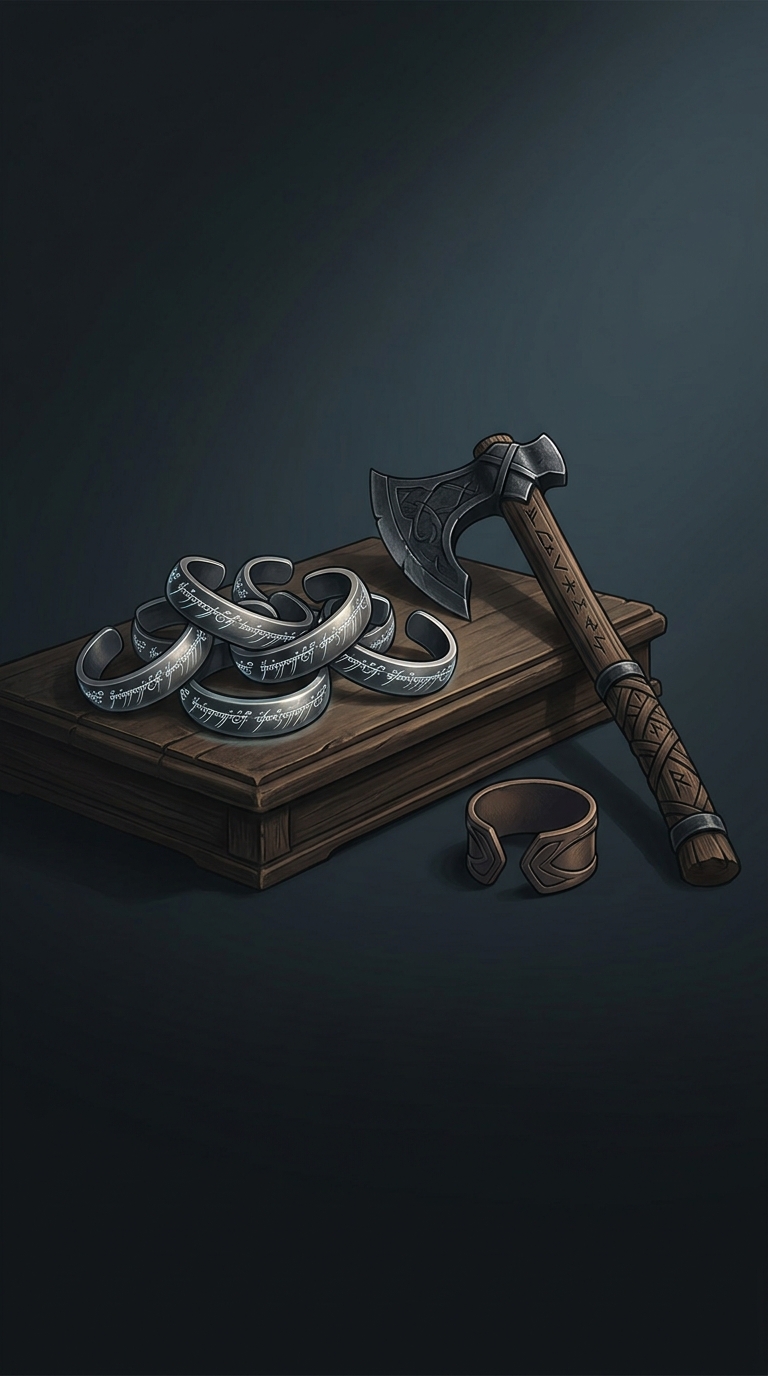
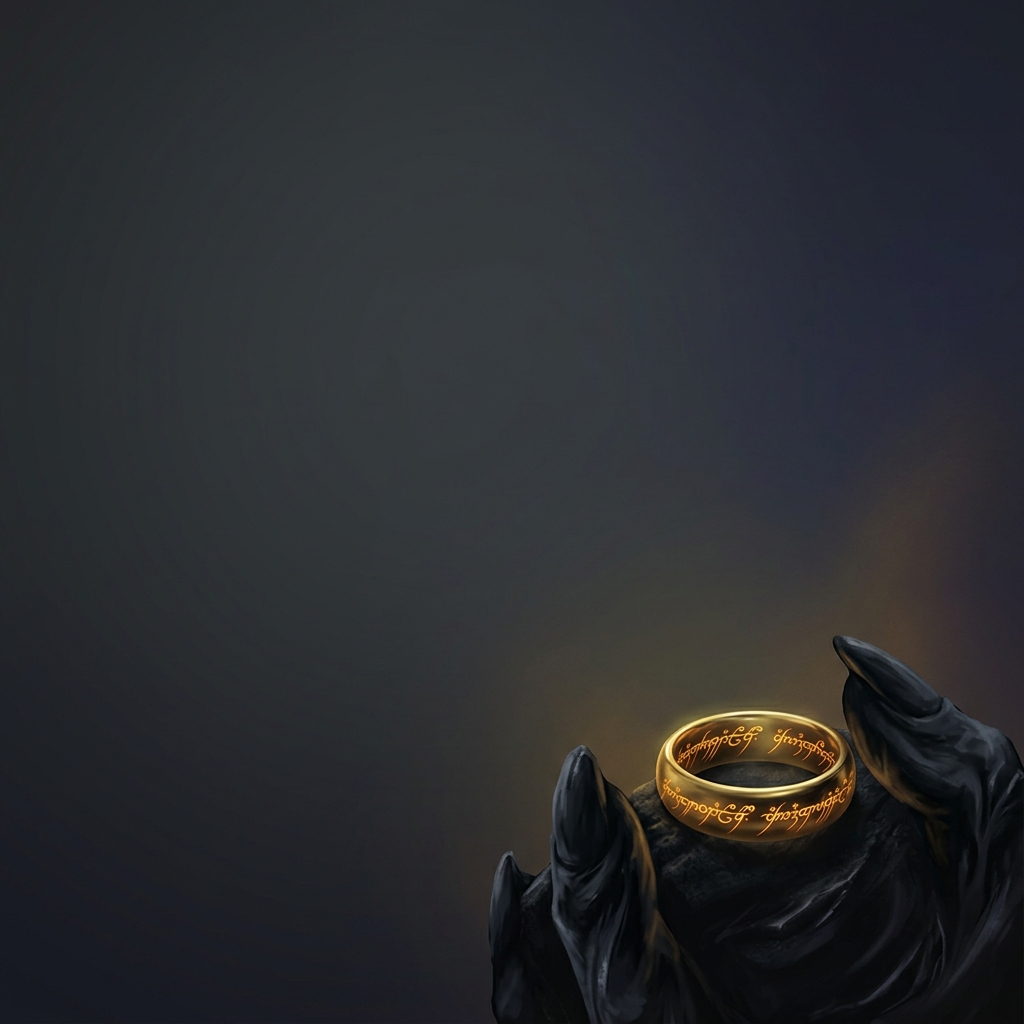
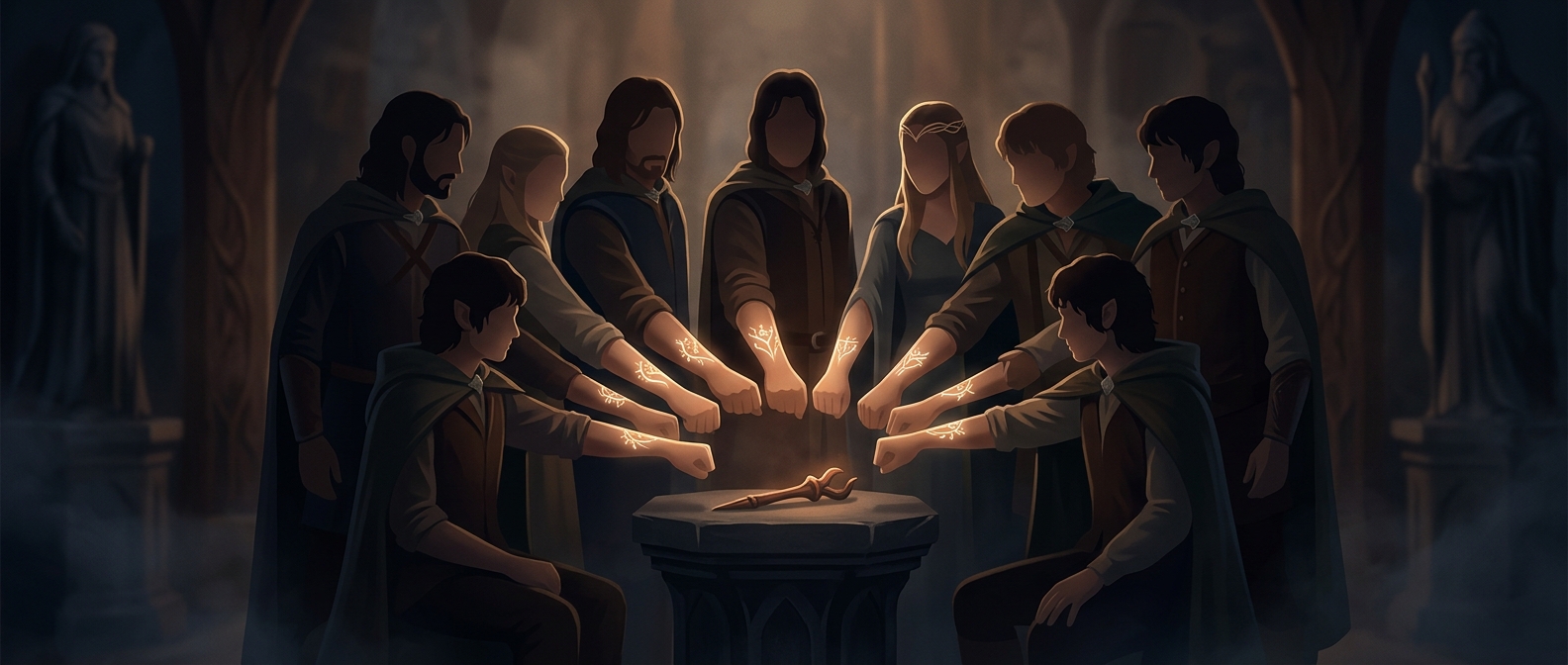
The design was the Elvish word for “nine,” written in a script created for Tolkien’s fictional languages. It pointed to the nine members of the Fellowship, the mixed group sent on the trilogy’s central quest. In the story, that number gives the party its identity; off screen, it offered the actors a compact way to mark their shared part in bringing the saga to film.
Why the number mattered
A matching tattoo is a personal keepsake, but a matching one also makes a private memory visible. Here, the reference worked on two levels: it belonged to Tolkien’s world, and it recalled the real group that had spent the production working together. The script made the reference feel specific to the films rather than like a generic souvenir.
That distinction helps explain why the idea endured. The actors were not commemorating a single scene or premiere. They were marking the experience of making an interconnected trilogy, where the same ensemble had to sustain its characters and relationships across several films. The small design condensed that unusually shared undertaking into one symbol: nine, carried beyond the story and onto their skin.