The “snow” in Oz was a mineral fiber
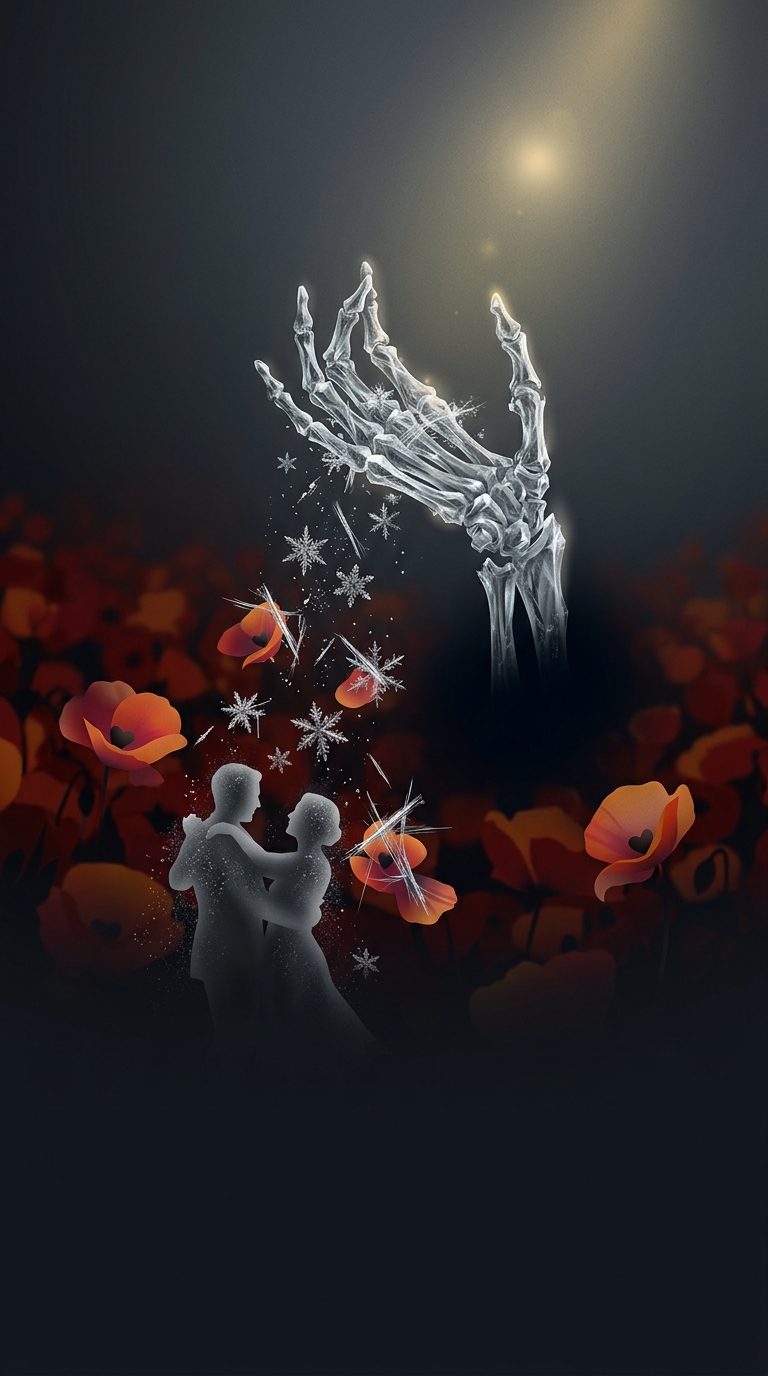
The flakes drifting over Dorothy and the Cowardly Lion in the poppy field were not cotton or paper. They were made from chrysotile, a form of asbestos once used in commercial products. Its pale, fibrous appearance made it useful as a stand-in for snow on a soundstage, where filmmakers needed material that would read clearly on camera and fall across the scene.
That practical choice carried a danger invisible in the finished image. When asbestos-containing material is disturbed, tiny fibers can become airborne and be breathed in. The fibers can lodge deep in the lungs, and exposure is linked to serious diseases, including cancer. A camera could make the flakes look weightless; it could not make them harmless.
How a stage effect became a health risk
The production treated the fake snow as scenery, but asbestos was an industrial material with recognized hazards even in that era. Knowledge and workplace protections were not what they are today, and a historical production’s exact exposure conditions are difficult to infer from the scene alone. The film image does not show how much material was used or how much any performer inhaled, so it cannot establish an individual dose or health outcome.
The contrast is what makes the detail linger: a rescue arrives as a gentle snowfall, yet the material used to create that visual effect could release hazardous dust. Rewatching the scene, the magic remains on screen—but the snow’s real-world cost is harder to overlook.