The Knowledge makes London a mental workout
Passing The Knowledge is not a matter of recognizing streets on a map. Aspiring Black Cab drivers must learn thousands of routes and landmarks, then recite how to travel between points across London without relying on a navigation screen. Examiners can ask for a route on the spot, so candidates have to retrieve and connect details under pressure.
That repeated work puts heavy demands on spatial memory: the ability to remember places and how they relate to one another. A candidate must picture a route, choose its turns and keep track of where it leads—even when the question starts somewhere unfamiliar.
What happens in the brain
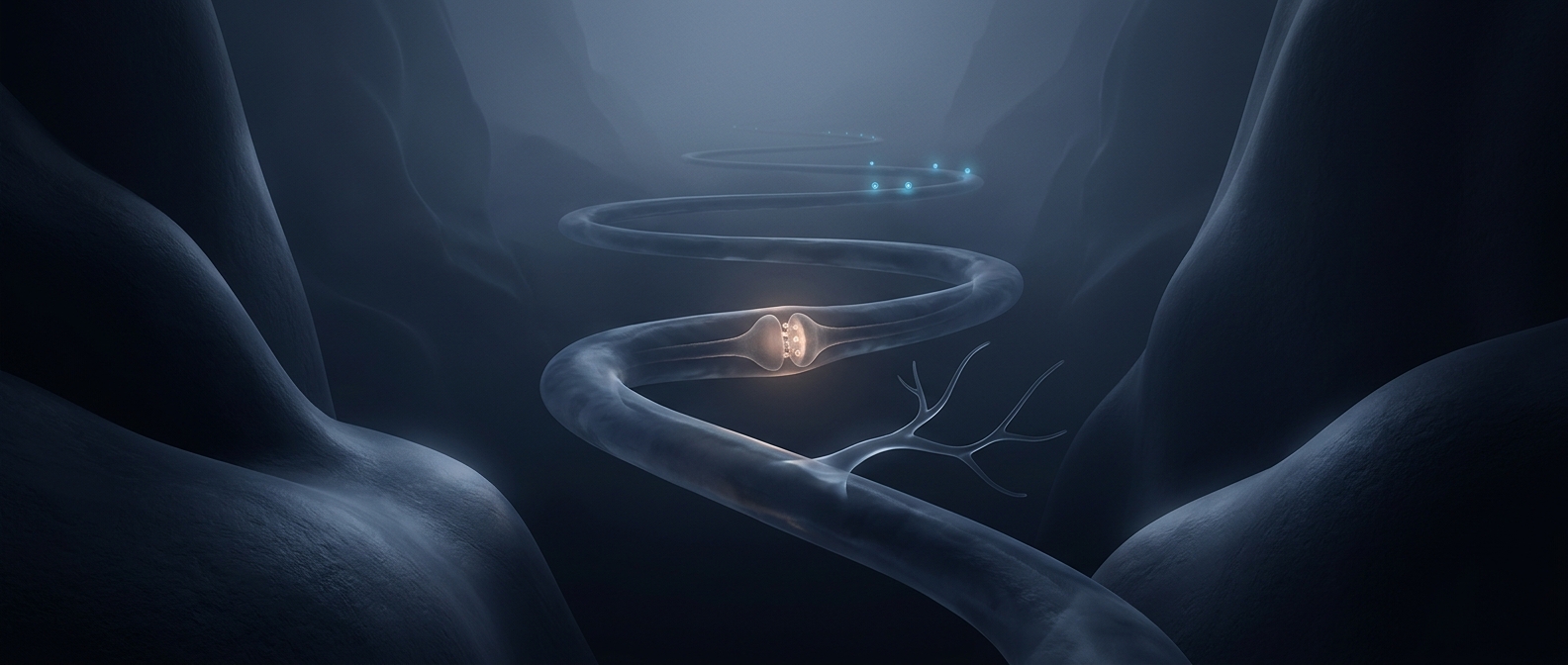
The brain region most closely linked with forming and using maps of places is the hippocampus, a structure involved in memory. Research on London taxi drivers has found differences in parts of the hippocampus associated with navigating the city. The finding fits a broader principle: sustained practice can be accompanied by changes in the brain, rather than simply revealing a fixed, inborn talent.
That does not mean a single exam physically reshapes someone’s brain. The demanding part is the long preparation: repeatedly learning routes, recalling them and correcting gaps. Like intensive practice in other complex skills, that effort can strengthen the mental systems used for the task. The test itself also brings a more immediate strain—concentration, recall and performance while an examiner waits for an answer.
A map built from memory
The Knowledge is unusual because it asks drivers to carry a working map of a vast, changing city in their heads. Its purpose is practical: a cabbie should be able to plan a route and adapt when streets or traffic make the obvious path unsuitable. The physical effect, then, is less like a single punishing ordeal than years of training that turn London’s geography into something a driver can mentally navigate.