How a staged scene becomes a news story
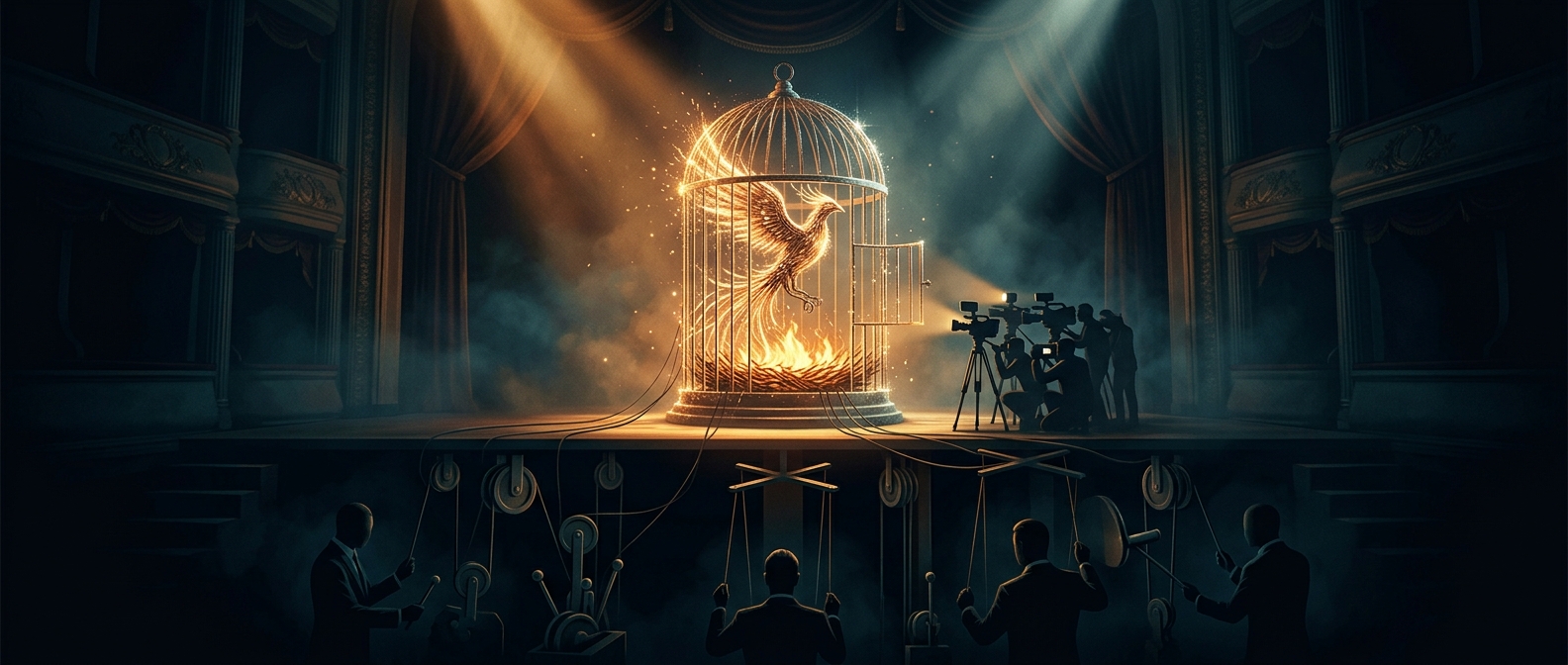
A camera can make an invented incident look like evidence. A short clip may show a commotion, a strange object, or an apparent emergency, while leaving out the people who arranged it and the moment the scene was revealed as a stunt. When the footage reaches a newsroom without that context, its vivid images can make the event seem more immediately credible than a written claim.
The trick depends on a gap between what the footage shows and what viewers can verify. Editors may be working quickly, and a clip that appears to document a public event can attract attention before its origin is clear. If a story is published or repeated, later viewers may encounter the coverage without seeing the original disclosure.
Attention comes with a trust cost
For a company, the hoped-for payoff is exposure: coverage can carry the stunt farther than a straightforward advertisement. But the same ambiguity that draws attention can also mislead audiences and consume newsroom time. Once the staging is discovered, the story may shift from the spectacle to the deception—and coverage can damage the company's credibility rather than build it.
The lasting effect is broader than one campaign. Each fabricated clip gives viewers another reason to wonder whether an apparent news event was arranged, making genuine footage harder to trust. The stunt’s reach may depend on the news treating it as real, but that dependence is also its most fragile point.