A resort with no easy exit
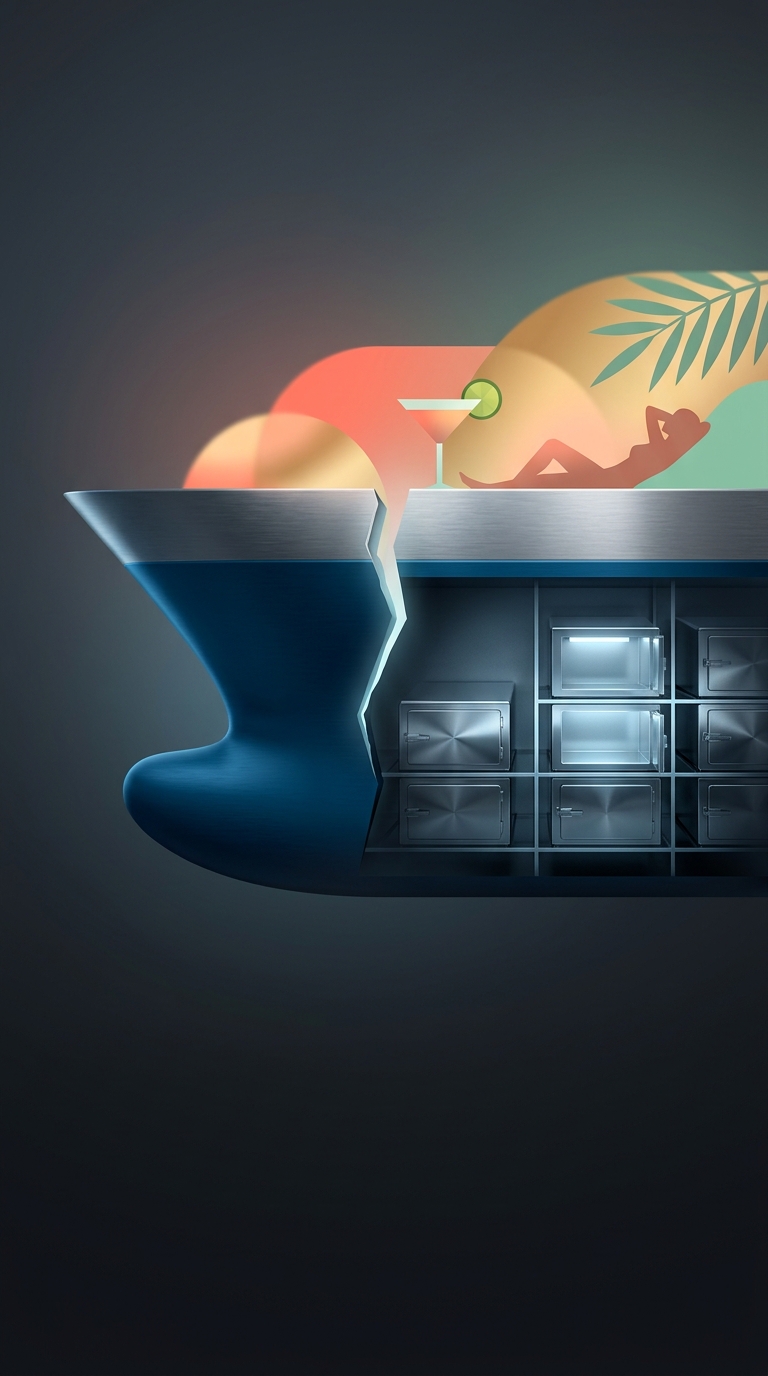
A cruise ship offers the comforts of a resort, but its setting changes the meaning of that comfort. At sea, passengers cannot step outside for a walk through town or choose another place to spend the afternoon. The ship is both accommodation and transportation, and the next chance to go ashore depends on the itinerary.
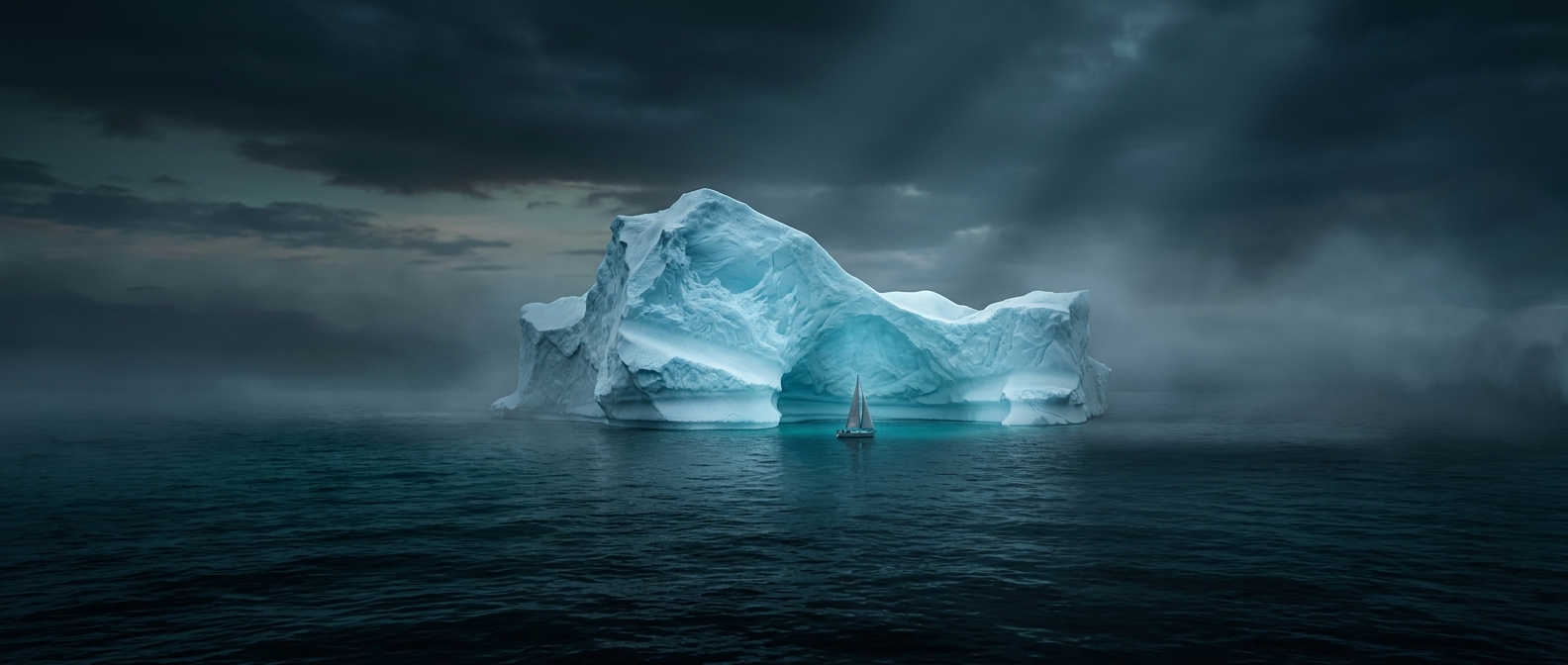
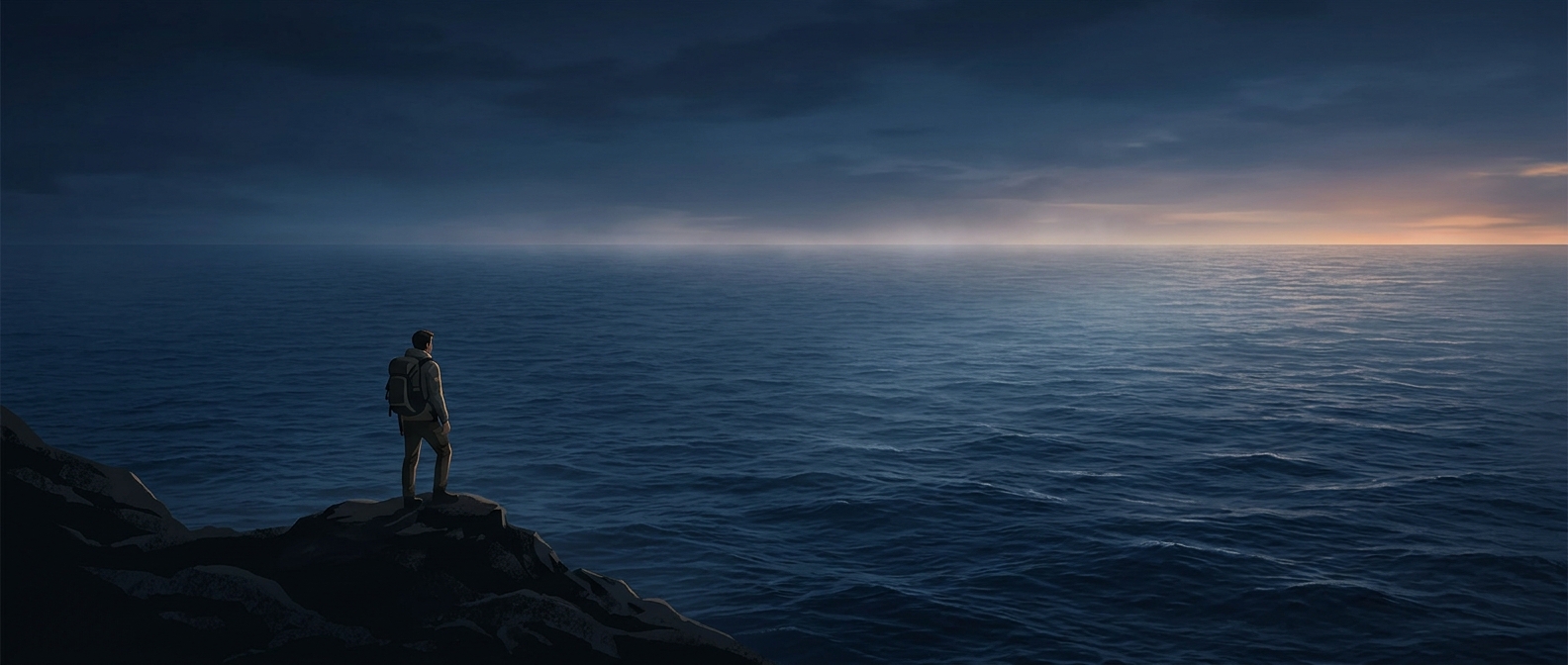
That makes the ship’s schedule more than a list of entertainment. Meals, shows, pools, and organized activities give the day clear landmarks: a person can move from one planned setting to another without having to think much about the vast space beyond the railings. The ocean, by contrast, offers few familiar visual cues. With no nearby streets, buildings, or changing scenery, the view can feel less like a destination than an expanse separating passengers from land.
Why the contrast can feel intense
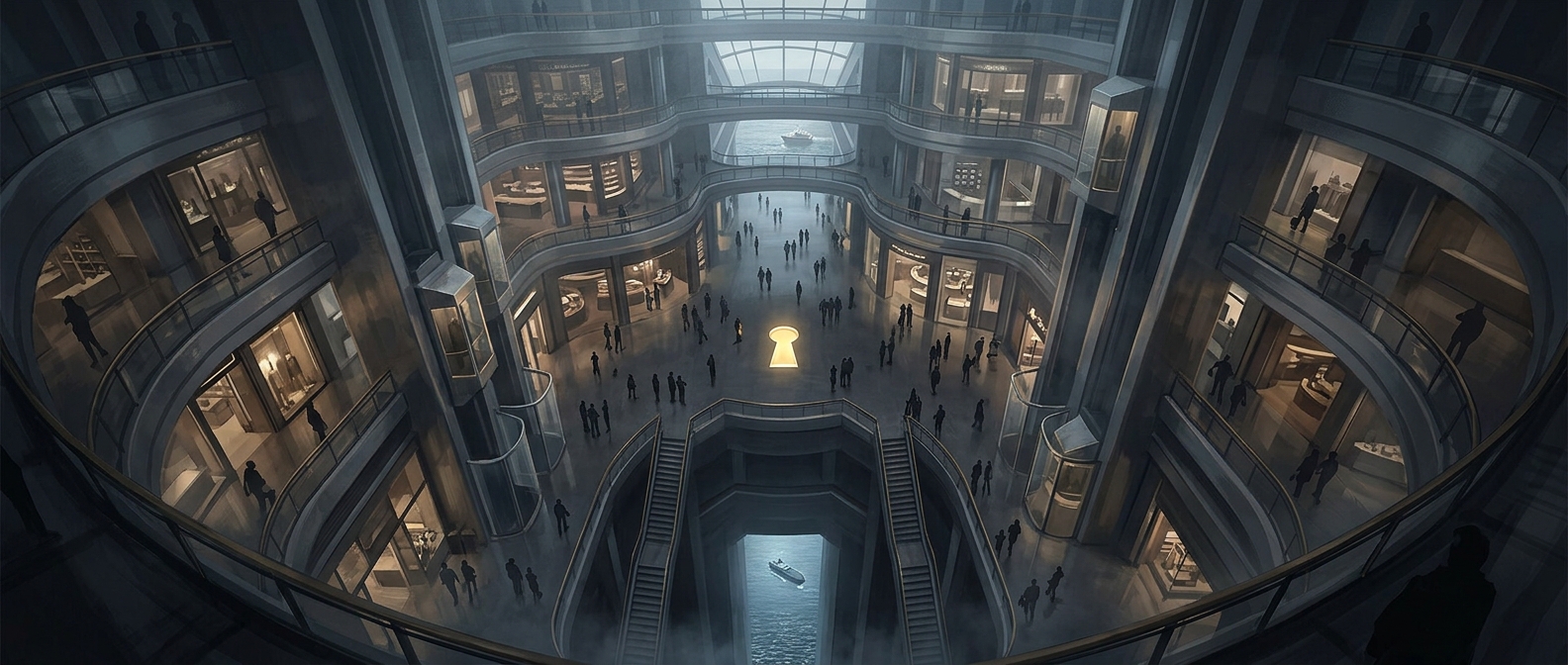
On board, corridors, signs, and designated venues make a large vessel navigable. Yet those familiar spaces are enclosed within a moving structure, while the surrounding water makes the ship’s limits hard to ignore. A passenger may be surrounded by people and activities and still feel physically confined: there is plenty to do, but little freedom to leave the environment altogether.
That tension is part of the cruise experience, not proof that the ship is unsafe. The same itinerary that makes the vessel feel restrictive also gives it a practical purpose: it carries passengers between ports while keeping their lodging and many daily amenities in one place. The feeling of a “floating trap” comes from that tradeoff—the ship is a self-contained destination, but it is also the only destination available until the next port.