How a chest implant can influence mood
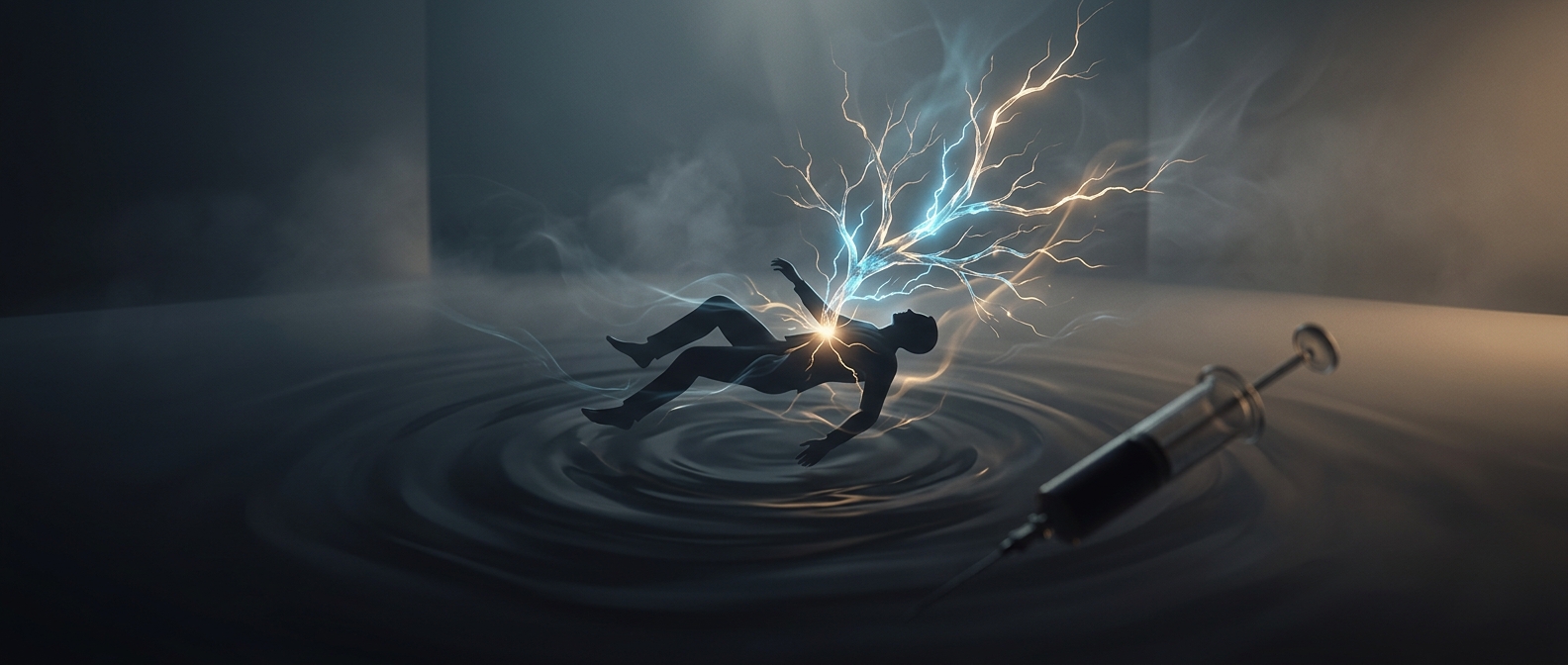
The device resembles a heart pacemaker in size and placement, but it does not regulate the heartbeat. A surgeon connects its pulse generator to a thin wire that loops around the vagus nerve in the neck. The generator is programmed to send brief, repeating electrical pulses through that wire.
The vagus nerve is a two-way communication route between organs and the brainstem. Signals traveling toward the brainstem can then influence wider networks involved in attention, stress, and mood. The pulses do not directly “switch on” happiness; they provide a repeated input that may gradually alter how those networks function.
Why the effect can take time
Unlike a medication dose that produces a relatively quick change in the bloodstream, nerve stimulation is an ongoing intervention. Clinicians adjust its settings over follow-up visits, and any benefit may build gradually. The implant is generally considered alongside other care, not as a promise of recovery or a replacement for every other treatment.
“Treatment-resistant” means depression has not improved enough with prior treatment. That history matters because the implant involves surgery and continuing device management, so it is considered for people whose symptoms remain difficult to treat—not as a first step for depression.
A local pulse, with effects patients can feel
Because the wire stimulates a nerve in the neck, some people experience sensations such as hoarseness, coughing, or throat discomfort when a pulse is delivered. Clinicians can adjust stimulation settings, but the balance is individual: the device must provide useful stimulation while keeping unwanted effects manageable.
The striking part is the route: a small generator in the chest can send a carefully timed signal into a nerve that carries information toward the brain. It is a reminder that mood-related brain activity is connected to the body, even though changing that activity does not guarantee a particular emotional outcome.