The Comedy Was in Treating Ghosts Like a Day Job
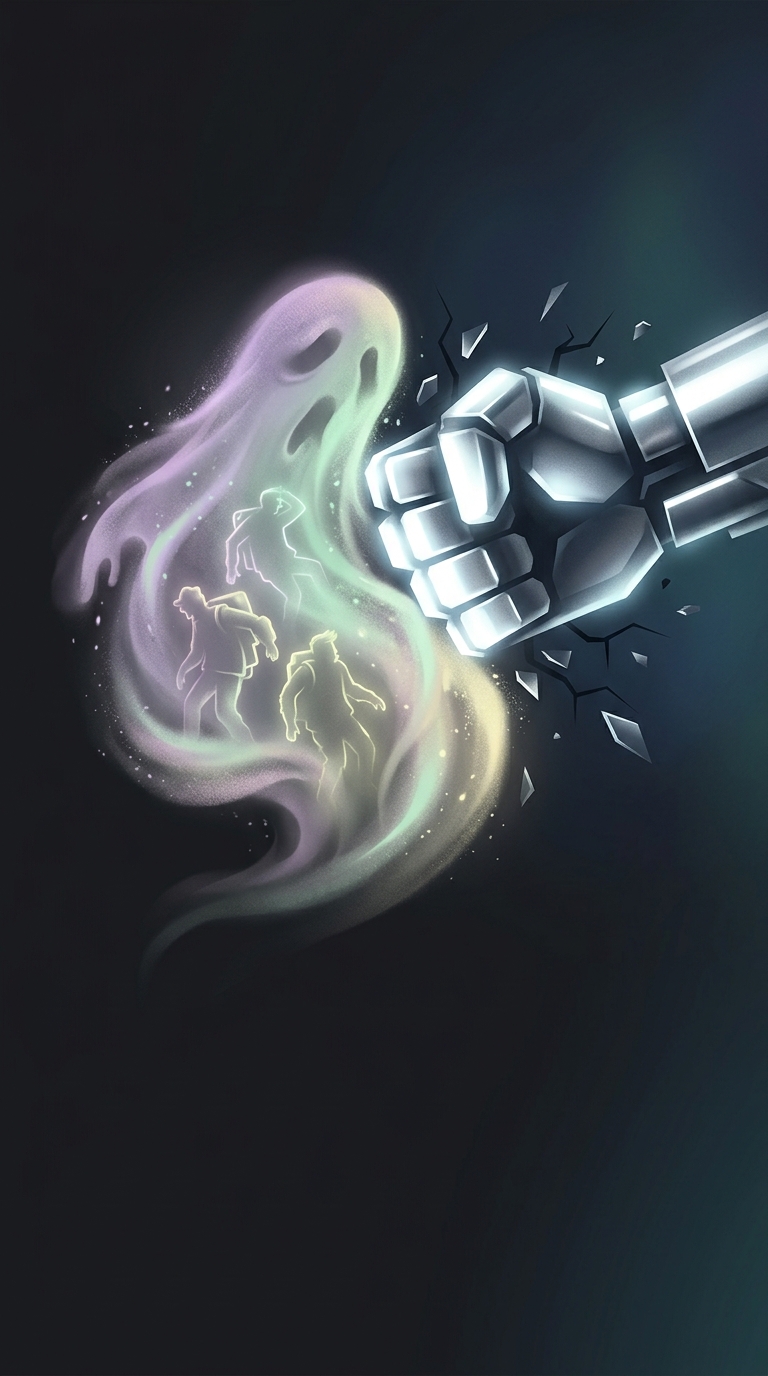
The central creative gamble in Ghostbusters was not simply putting jokes into a supernatural story. It was making the supernatural feel like a shabby business problem. Its heroes are scientists who respond to hauntings with equipment, fees, and the rhythms of a small company trying to stay afloat. That ordinary, practical frame gives the ghosts something to disrupt—and gives the characters room to react with irritation, salesmanship, and sarcasm rather than solemn terror.
Why the Casting Could Change the Whole Movie
A serious thriller and a comic ensemble use different kinds of tension. A thriller tends to make danger the dominant fact; the characters’ fear and the threat itself carry scenes. In a comedy, the danger can remain real, but the audience also watches how people behave under pressure. If the performers and screenplay lean into comic timing, a malfunctioning ghost-catching device or a panicked call becomes part of the joke as well as a plot problem.
That distinction helps explain why the choice of actors mattered so much. Action stars could have made the team read primarily as capable heroes confronting a threat. Comedic actors could make them seem like talkative, imperfect professionals whose confidence does not always match their circumstances. The same supernatural premise would then produce a different movie.
A Business, Not Just a Battle
The New York exterminator idea also gives the story a durable comic engine: the team must handle both paranormal emergencies and the practical business of taking them on. That lets the film move between spectacle and mundane concerns without abandoning its premise. The lasting effect is a monster movie in which the equipment may be extraordinary, but the people using it still have to make a living.