Why a 4.6 Can Feel Like a Warning
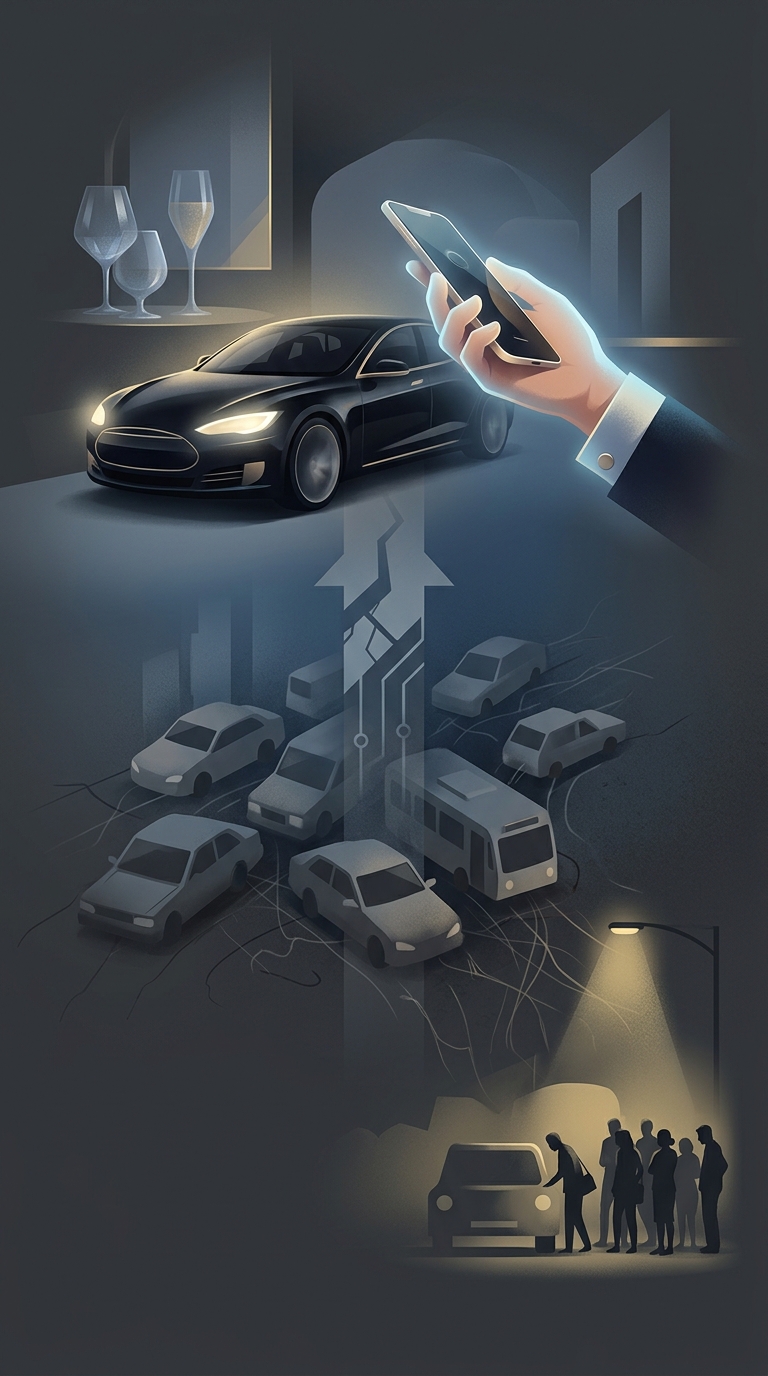
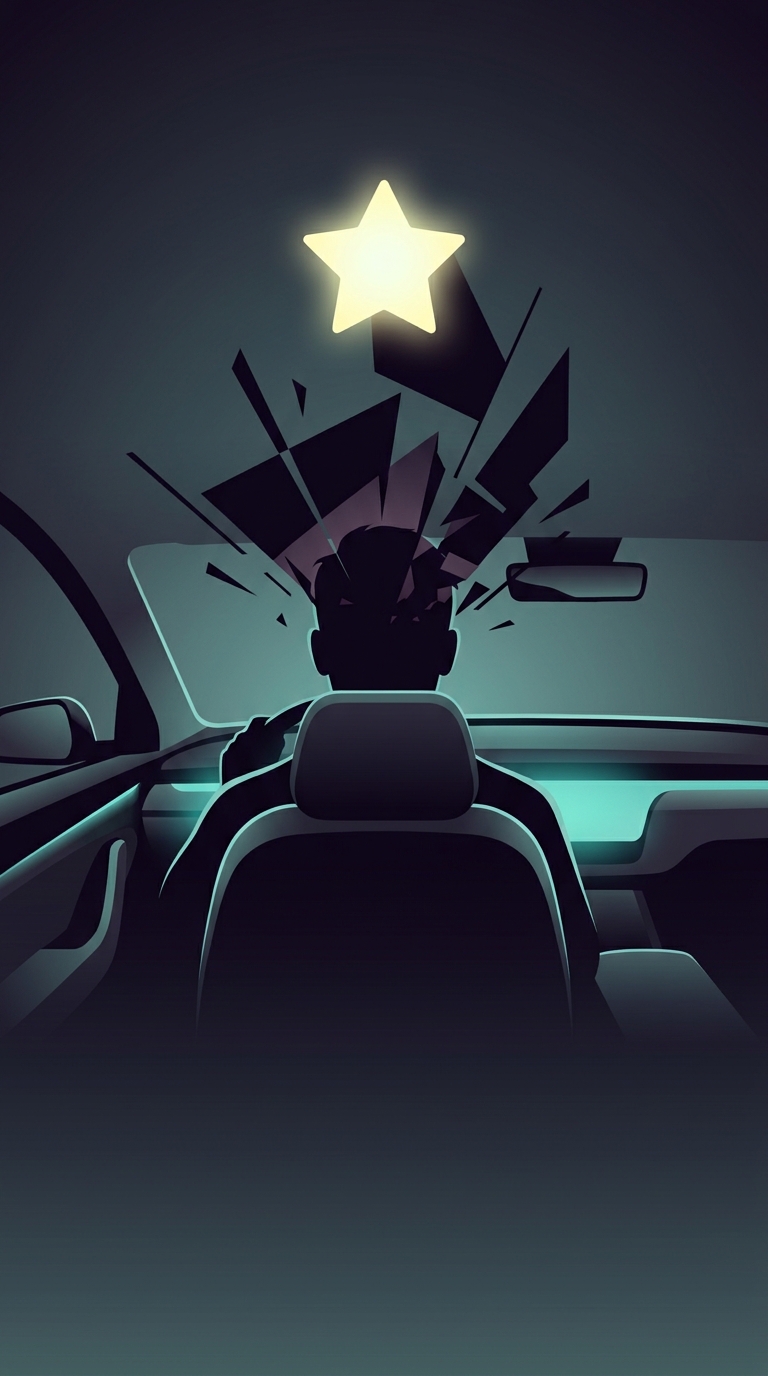
A star rating looks like a simple average, but for a rideshare driver it can function as a running performance score. After each trip, passengers may rate the ride; the app combines those ratings into a number that can affect whether the driver remains in good standing. The precise rules vary by platform and location, so 4.6 is not a universal cutoff. Still, a driver near a platform’s minimum has less room for another poor rating.
A Few Bad Scores Can Linger
The pressure comes from how averages behave. A driver with a long history of high ratings can absorb an occasional low score more easily than someone with fewer ratings. And because passengers often use the top of the scale to mean “everything was fine,” a middling score may count as a mark against the driver even when the trip had no obvious problem. Traffic, pickup confusion, or a passenger’s expectations can influence a rating despite being only partly under the driver’s control.
Drivers also may not know which ride produced a low score or what, specifically, the passenger disliked. That makes the number hard to correct: the driver can improve what they control, but cannot reliably respond to an unexplained rating.
The Consequence of a Threshold
Platforms use ratings as one way to monitor service at scale, but the same system turns many subjective judgments into a number with practical stakes. The anxiety is less about 4.6 itself than about how close it may be to a cutoff the driver cannot see clearly. A score that looks respectable to a passenger can therefore feel precarious to someone whose access to work depends on staying above a platform’s standard.