A closer look
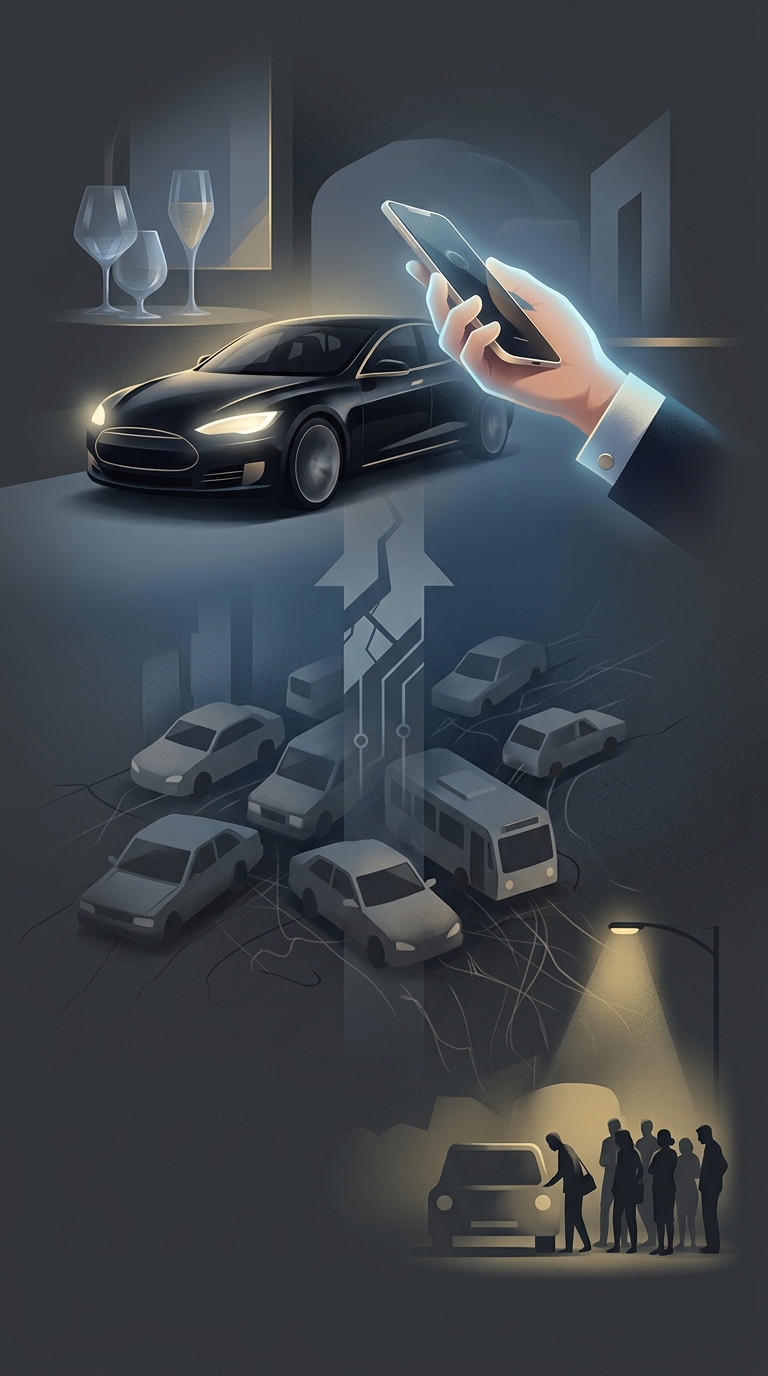
When the incredibly dominant ride-sharing application Uber first launched in San Francisco, it did not offer cheap rides in beat-up sedans driven by exhausted freelancers desperately trying to pay off their student loans. The company originally operated exclusively as a luxury black car service meant to connect wealthy tech bros with private chauffeurs, ensuring the Silicon Valley elite could casually summon a pristine Mercedes straight to their fancy cocktail parties. It was initially pitched as a highly exclusive lifestyle application for executives who felt physically repulsed by the idea of hailing a dirty municipal taxicab. Eventually, corporate executives realized that exploiting the unregulated vehicles of the struggling working class was infinitely more profitable, successfully turning an elitist luxury service into the default late-night transport for severely intoxicated college students