Why the Pogo-Stick Commute Was Hard to Sustain
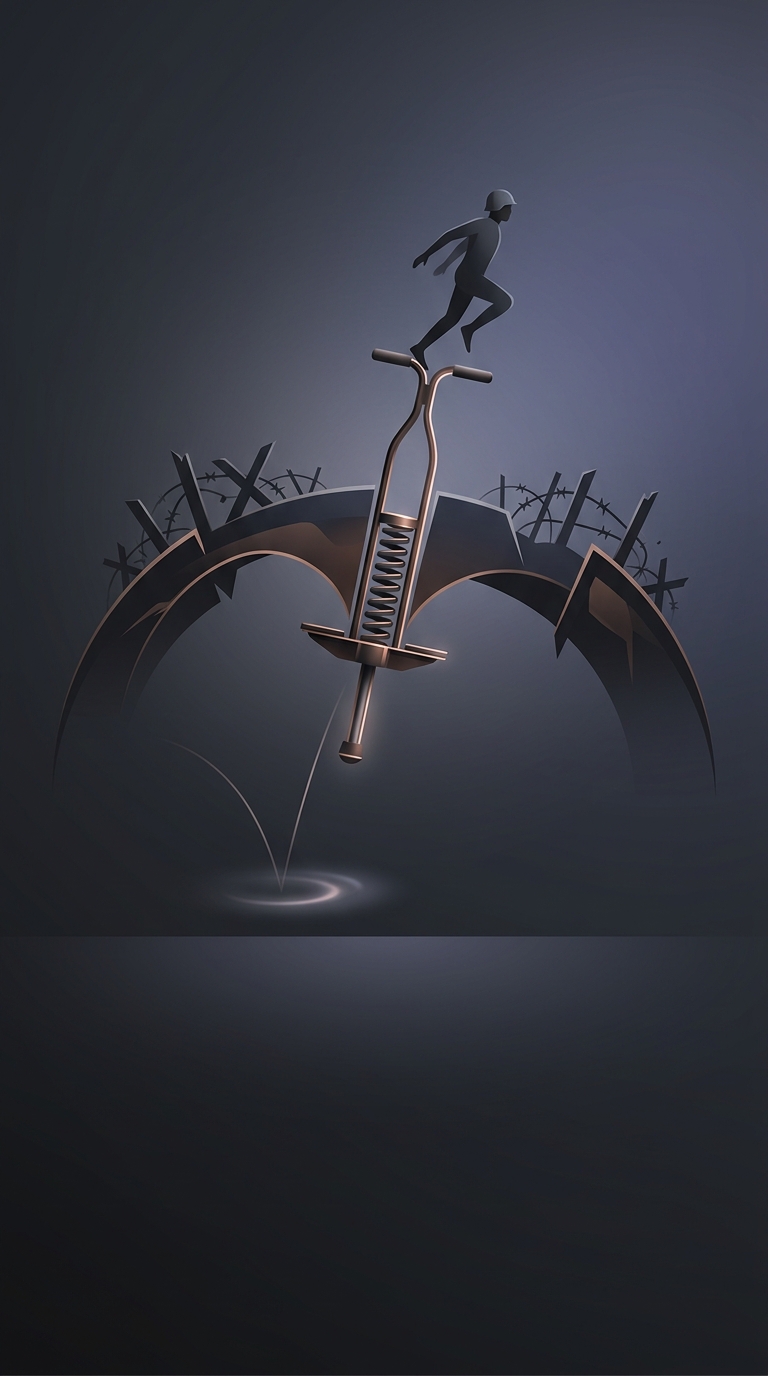
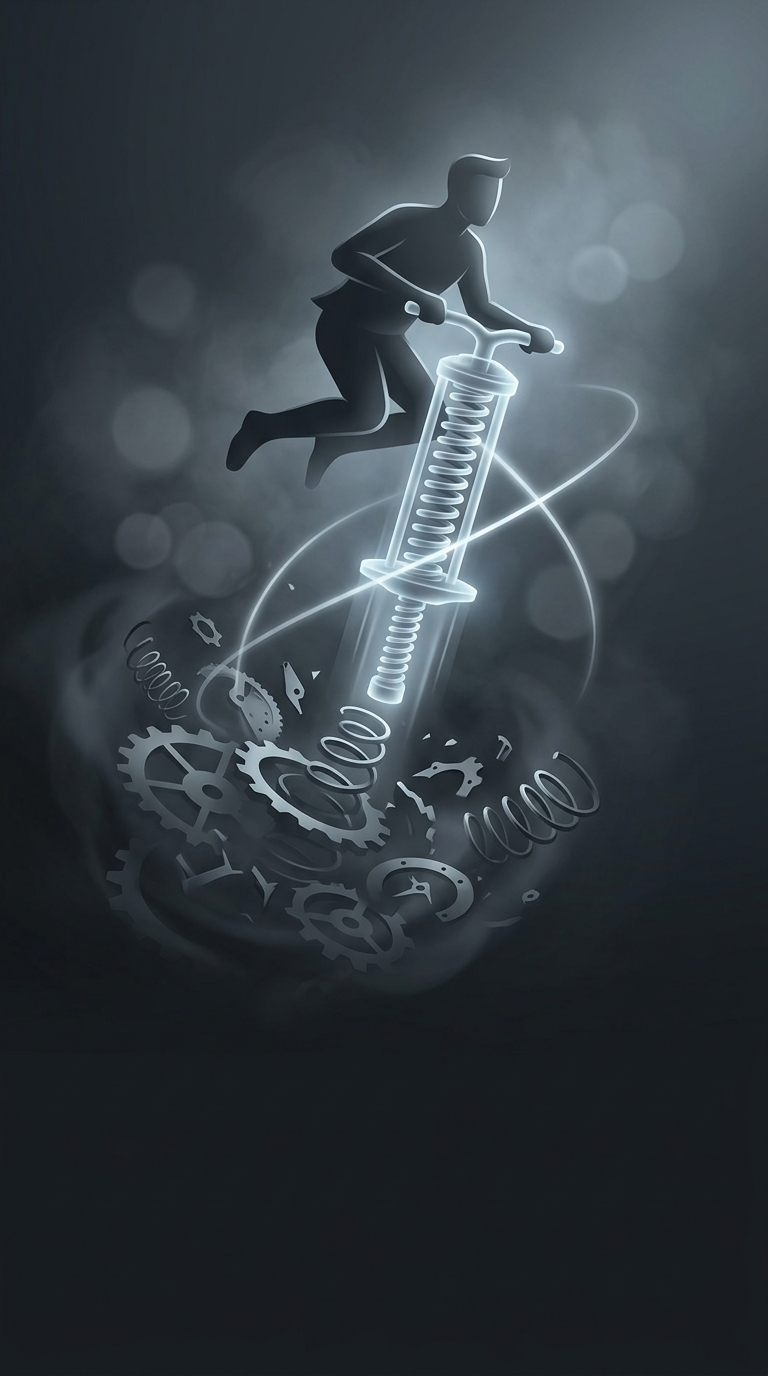
A pogo stick turns each step into a spring-loaded jump. The rider presses down on a spring, which stores energy and pushes back, lifting both rider and stick. That makes the device entertaining—and visually striking—but it also means forward travel depends on repeated hops rather than a steady stride.
For a commute, that motion creates practical demands. A rider must keep balancing and timing each landing, while navigating a route built for walking and wheeled traffic. The stick offers no easy way to coast or pause without stopping the hopping rhythm. Even if the distance is manageable, the trip takes coordination that an ordinary walk does not.
The Office Was Part of the Problem
Commuting is not only about covering ground; it is also about arriving ready for work. A pogo-stick ride makes a conspicuous entrance, and the effort and bouncing sit awkwardly alongside the composed appearance many businessmen wanted to project. The very spectacle that made the fad noticeable could therefore make it difficult to treat as routine transport.
The experiment exposed a basic tradeoff: a novelty can make movement amusing without making it convenient. A pogo stick may carry someone toward an office, but it does so by turning the journey into a performance—and the destination does not make that performance disappear.