Why a Pogo Stick Couldn’t Beat Battlefield Mud
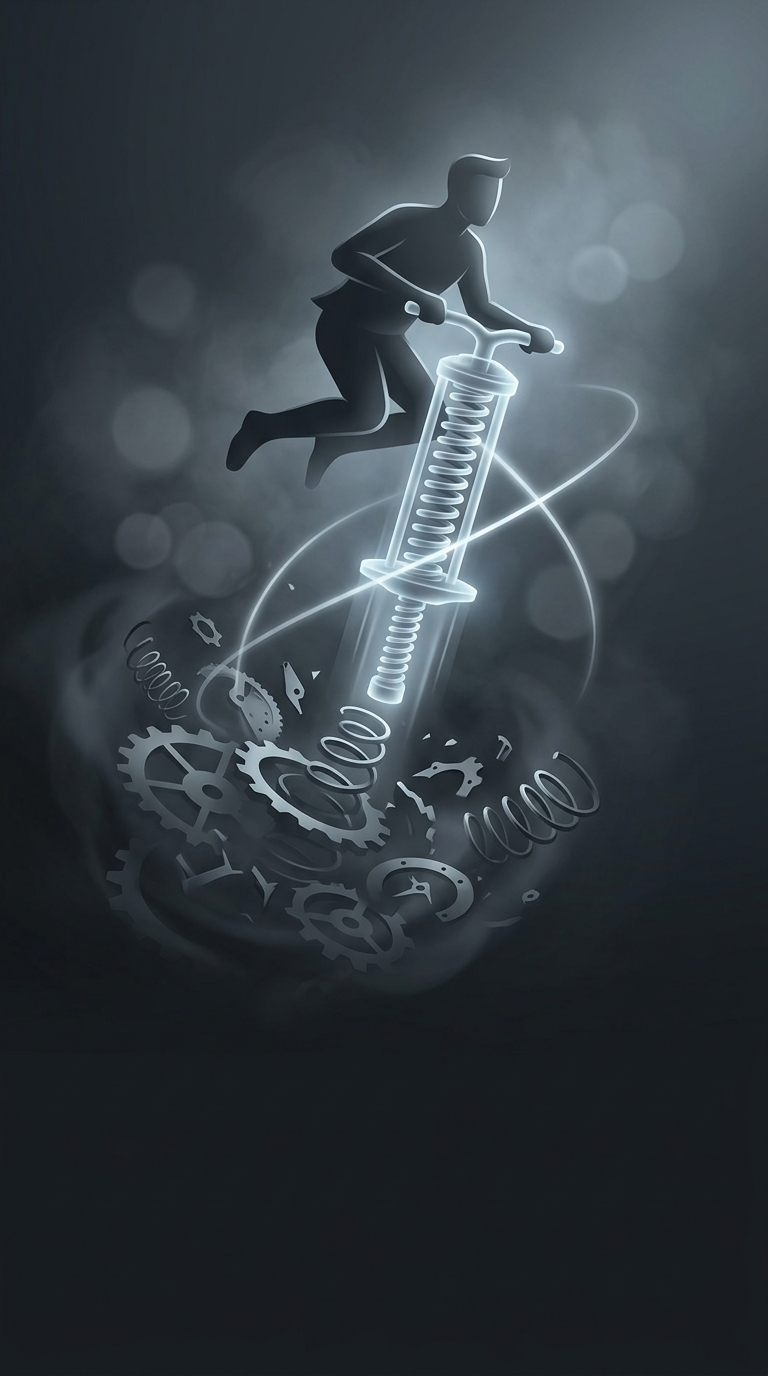
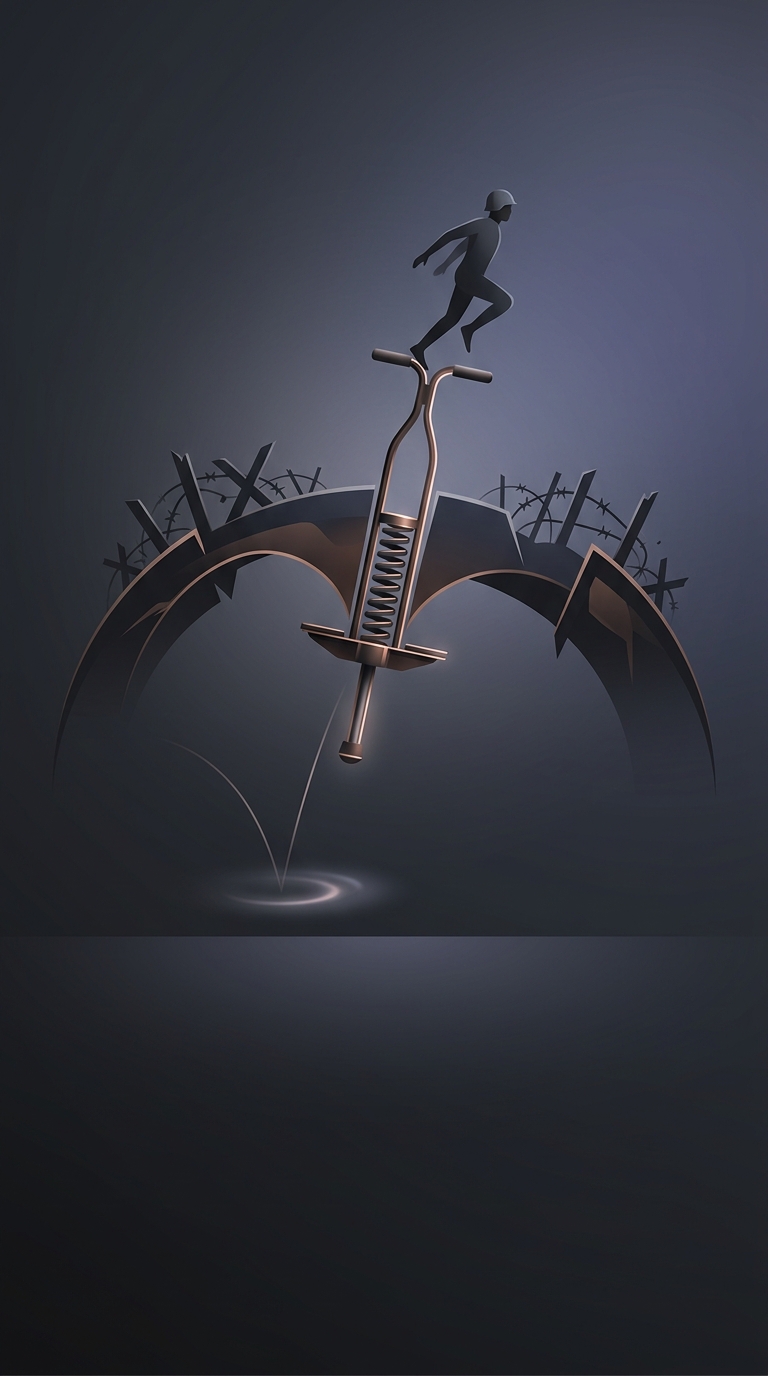
A pogo stick works by storing energy when its spring is compressed, then releasing that energy to push the rider upward. But the spring can only launch the rider if the stick has a firm surface to push against. On soft ground, the tip sinks and the soil shifts instead of providing a stable counterforce. Some of the effort goes into deforming the mud, not lifting the person.
Every Landing Would Start the Problem Again
A pogo stick is not a vehicle that carries its rider smoothly across the ground. It depends on a repeating cycle: land, compress the spring, rebound, and land again. Each landing demands balance and a predictable place for the tip to meet the surface. Muddy, uneven terrain makes both harder. If the stick tilts or sinks, the next bounce becomes less reliable rather than a clean step forward.
A soldier’s equipment would add weight and alter how the rider balances. More weight could press the tip deeper into soft ground, while the rider would still need to control the stick and stay upright through each impact. The device’s central advantage—spring-powered hopping—therefore depended on conditions a muddy battlefield could undermine.
The Ground Was the Missing Piece
The military pitch treated the spring as the key to crossing difficult terrain. In practice, the ground beneath the spring mattered just as much: a bouncing device needs solid footing to turn stored energy into forward movement. On mud, the pogo stick risked spending that energy on sinking and wobbling, leaving infantrymen with a complicated way to lose their footing rather than a dependable way to advance.