The armrest is part of the transfer path
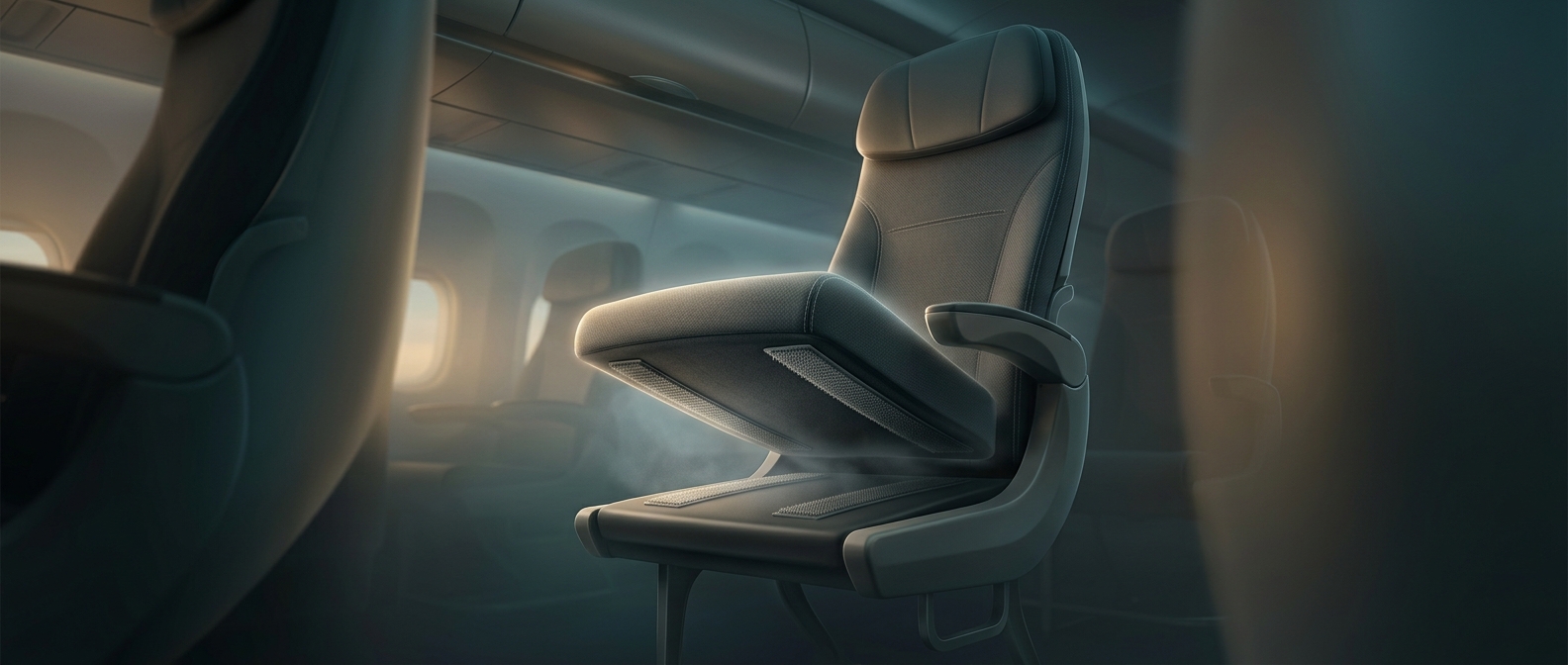
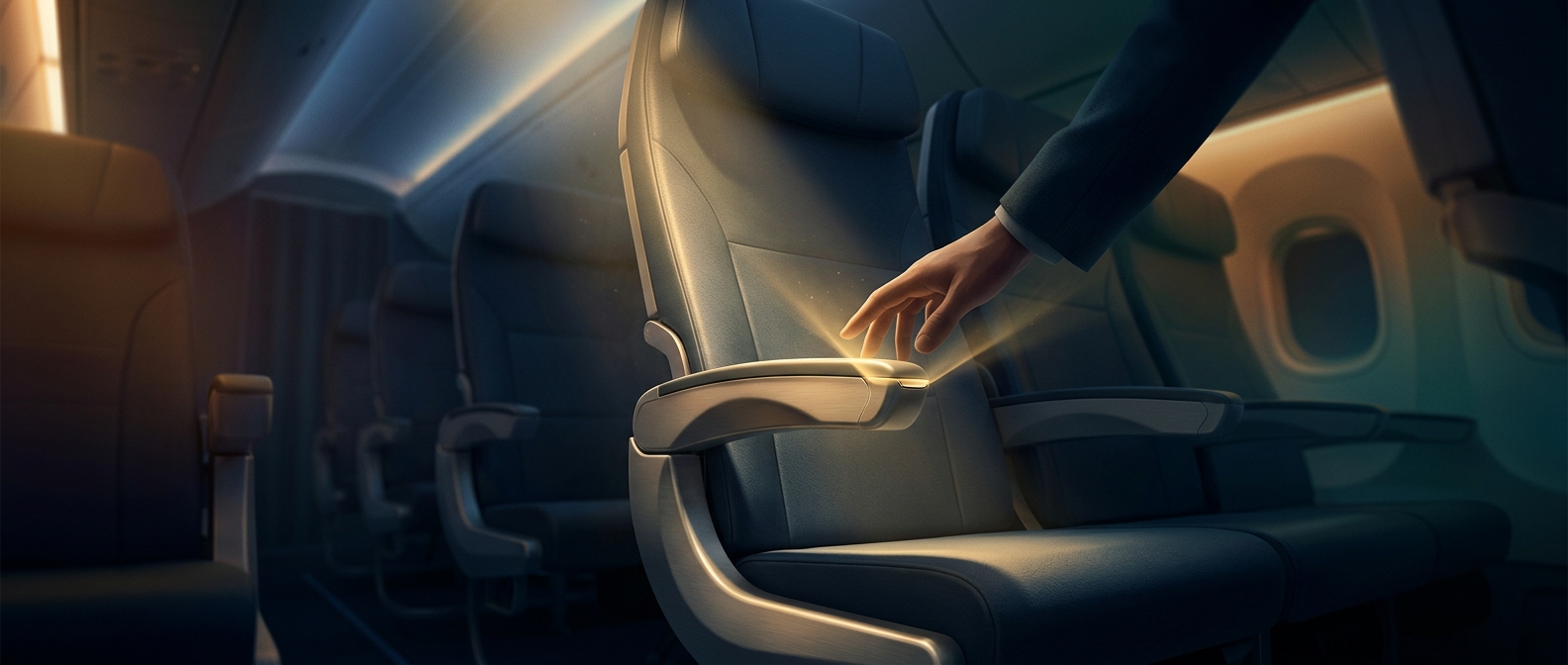
Aisle armrests can be more than a boundary between the seat and the cabin walkway. On some aircraft seats, the armrest pivots upward after a small latch underneath is released. That changes the opening beside the seat: instead of having to maneuver around a rigid bar, a passenger or caregiver can approach more directly while transferring between a wheelchair and the airplane seat.
The latch matters because the armrest normally needs to stay in its lowered position during ordinary use. A catch holds it in place; releasing the catch lets the armrest rotate around a hinge near the seatback. The mechanism makes the seat easier to access without requiring the armrest to remain loose or swing freely in flight.
A small feature with practical limits
The release is not universal, and seat designs differ. On seats that have one, the catch may be easy to overlook because it sits below the armrest rather than on its visible surface. A passenger who cannot locate or operate it can ask a crew member for help; the mechanism is a convenience, not a substitute for assistance with a transfer.
That hidden hinge illustrates a useful cabin-design tradeoff: a fixed armrest helps define a seat, but a movable one can temporarily clear space exactly where a passenger needs it. A few centimeters of hardware can change whether the aisle-side edge feels like an obstacle or an opening.