How a V-tail controls an airplane
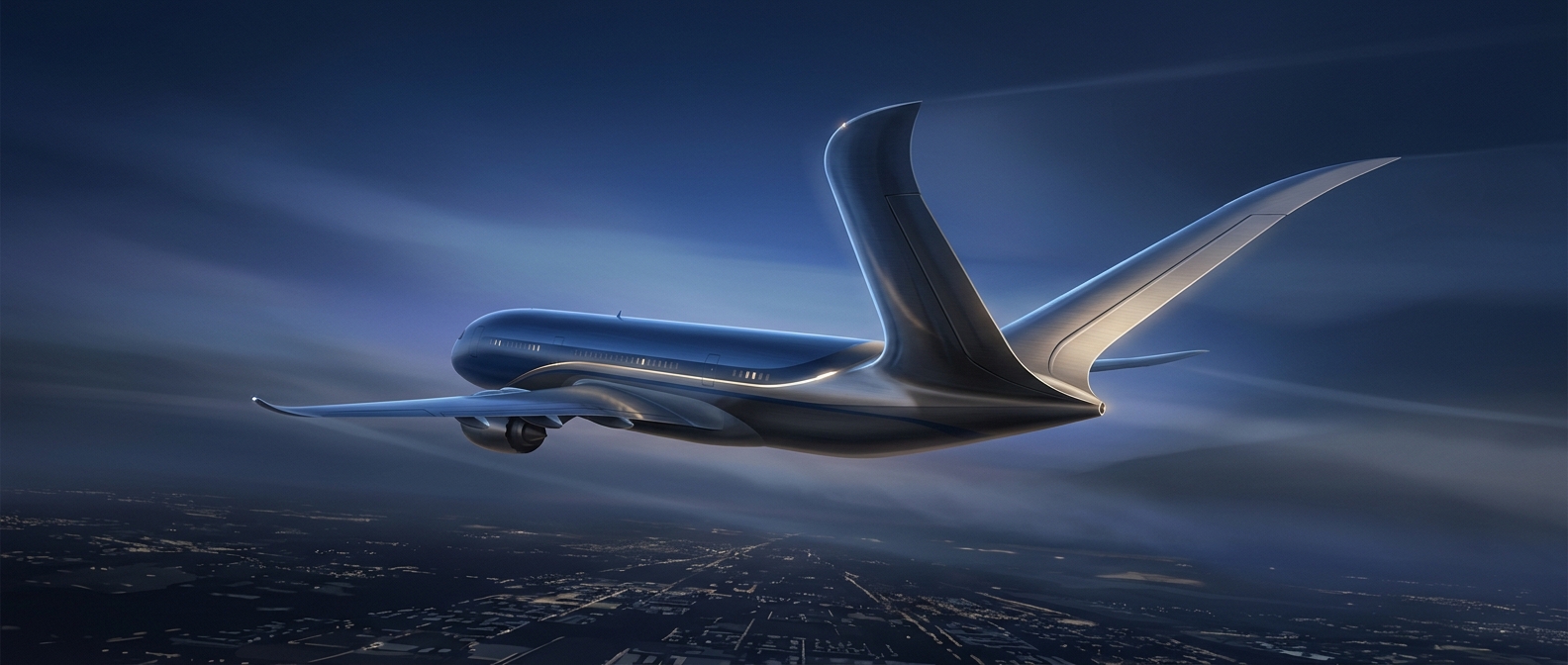
A conventional airplane separates two jobs: the horizontal tail helps control pitch, the nose’s up-and-down rotation, while the vertical tail helps control yaw, the nose’s left-and-right swing. A V-tail combines those stabilizing surfaces into two panels set at an angle, resembling the arms of a V.
The panels do not simply replace two surfaces with a single control. Each one contributes to both jobs, so the pilot’s control inputs must be translated into coordinated movements.
The control system blends two commands
To change pitch, both panels move in the same sense: together they deflect the airflow so the tail produces a force that tips the nose up or down. To change yaw, they move in opposite senses. One panel’s effect then counters the other’s in pitch but adds to it in yaw, swinging the nose left or right.
That blending is handled by the control linkages or, in some designs, a mixing mechanism. It turns the pilot’s separate pitch and yaw commands into the paired deflections the V-tail needs. The panels are therefore doing two jobs, but neither job belongs to just one panel.
Fewer surfaces, more coordination
Combining the tail surfaces can reduce the number of separate panels and may reduce drag from the tail, but it also makes the control arrangement more involved. The angles and movements have to produce useful pitch and yaw authority without unwanted motion in the other direction. The tail’s shape alone does not guarantee that result; its design and control system must work together.
The cleverness is in the choreography: the same two panels can push the tail in ways that either reinforce one another or partly cancel, depending on whether the airplane needs to change pitch or yaw.