Two systems, two kinds of map
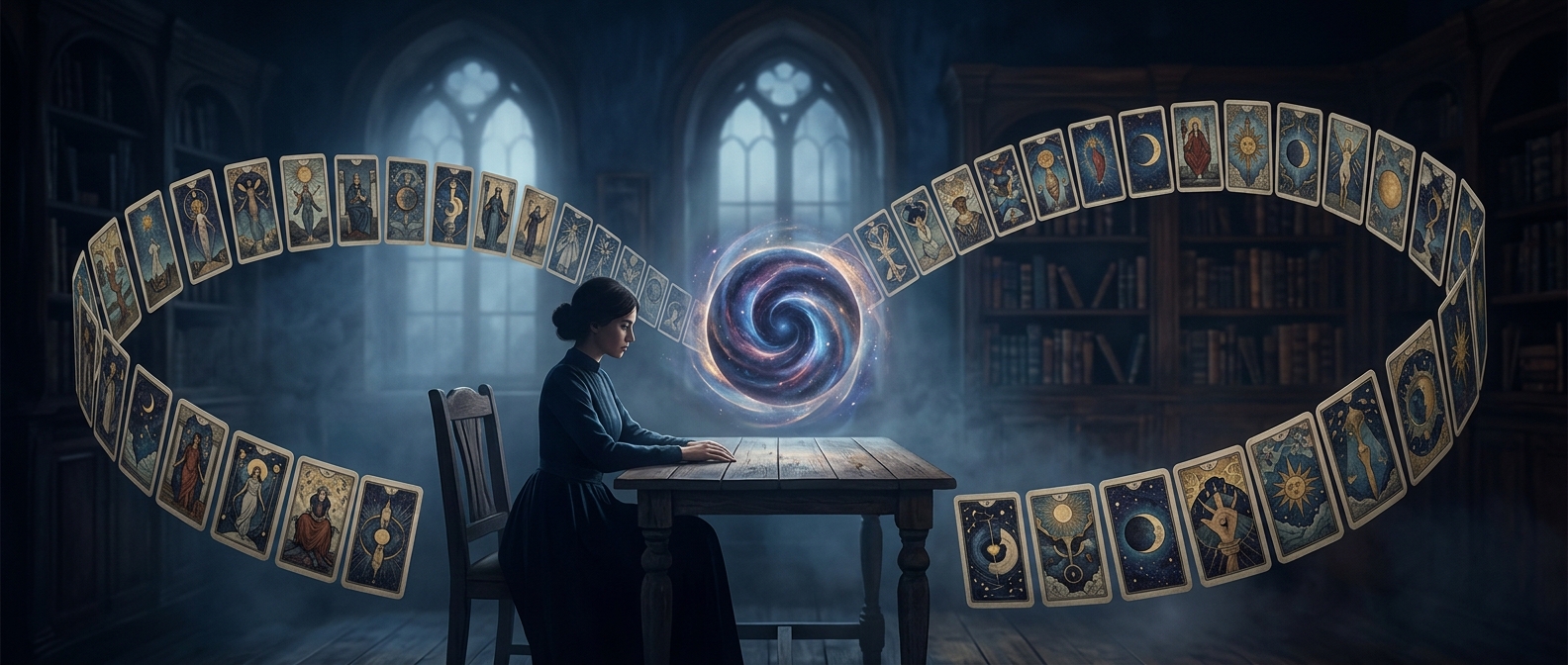
Tarot and astrology can both offer a language for thinking about a person’s life, but they organize that reflection in different ways. Tarot begins with a particular draw: a reader interprets the cards that appear, their order, and their relationship to a question. The card images and meanings provide a symbolic framework; the reading is not simply a prediction produced by the deck.
Astrology begins with a chart. A chart maps the positions of the Sun, Moon, and planets in relation to the zodiac at a particular time, often a person’s birth. Practitioners interpret those placements as a pattern. Unlike a tarot reading, an astrological interpretation does not depend on which cards happen to be drawn in a session.
Why the practices get grouped together
Their overlap is social and practical more than procedural. Both are often encountered through individual consultations, books, and shops that serve people interested in spiritual or reflective practices. That shared setting can make them seem like versions of the same technique, even though one works with a shuffled deck and the other with a chart of celestial positions.
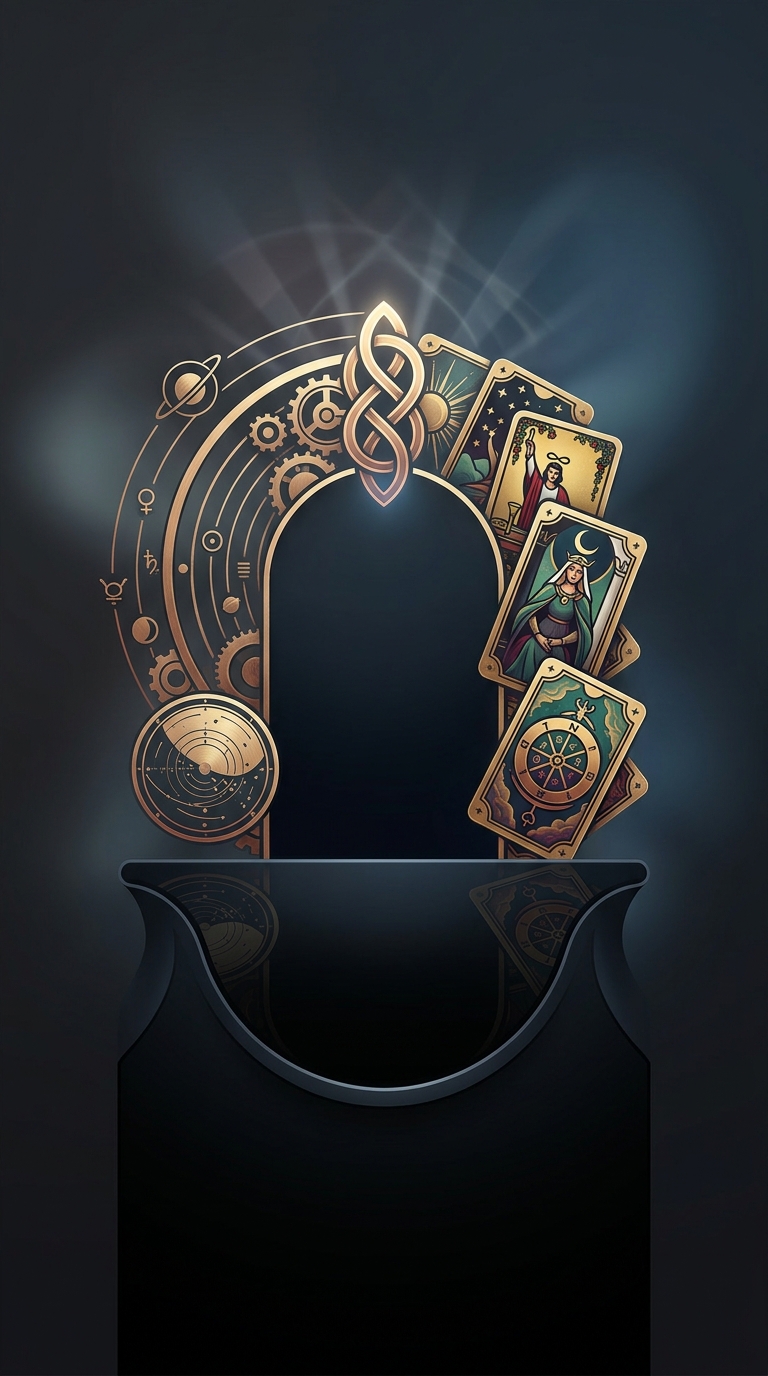
The distinction matters when someone asks what a reading is based on. In tarot, the immediate focus is the cards selected and the meanings brought to them; in astrology, it is the interpreted arrangement of celestial bodies. A shared purpose does not make the methods interchangeable. A shop may place them on the same shelf, but the tools—and the questions each practice asks of them—remain different.