Two systems, one visual vocabulary
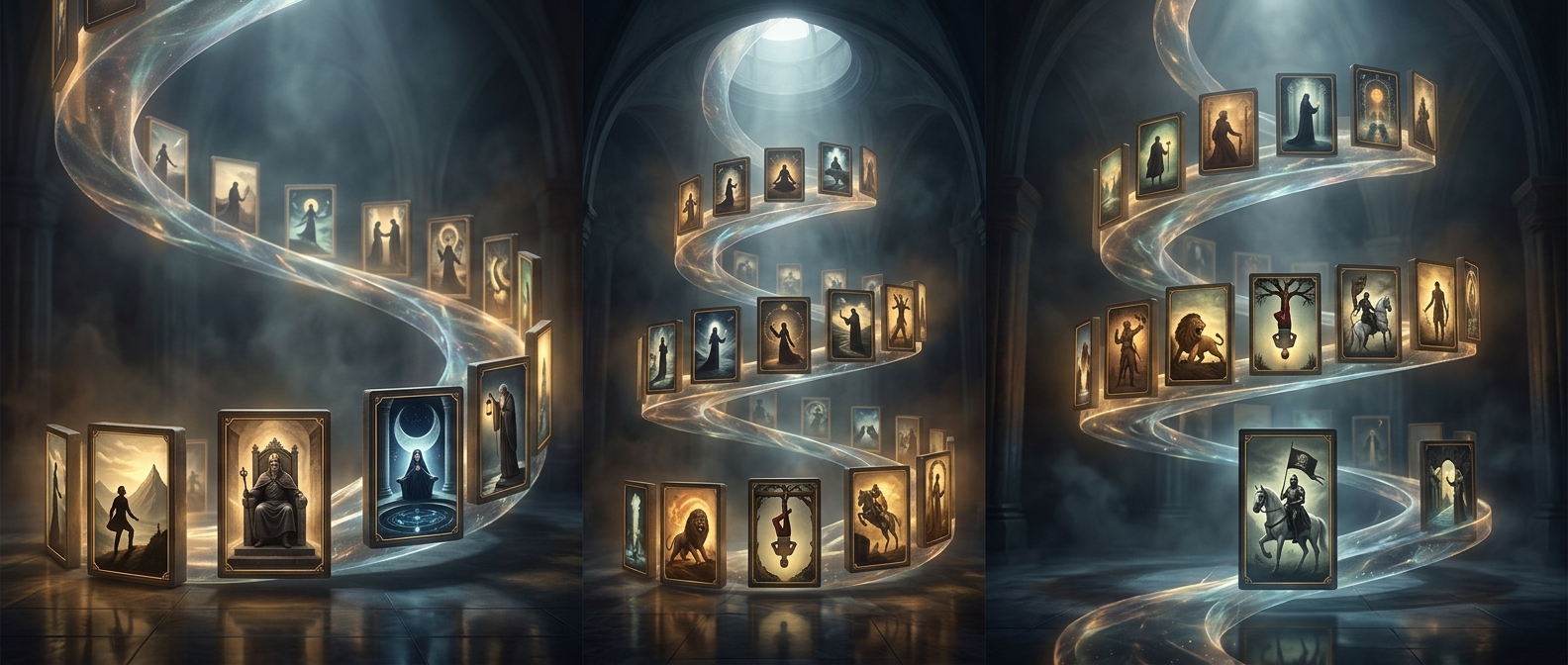
Tarot and astrology answer questions in different ways. A tarot reader interprets a spread of illustrated cards; an astrologer interprets the positions and relationships of celestial bodies, often using a birth chart tied to a person’s time and place of birth. Neither method depends on the other. A tarot reading can take place without a chart, and an astrology reading can be done without cards.
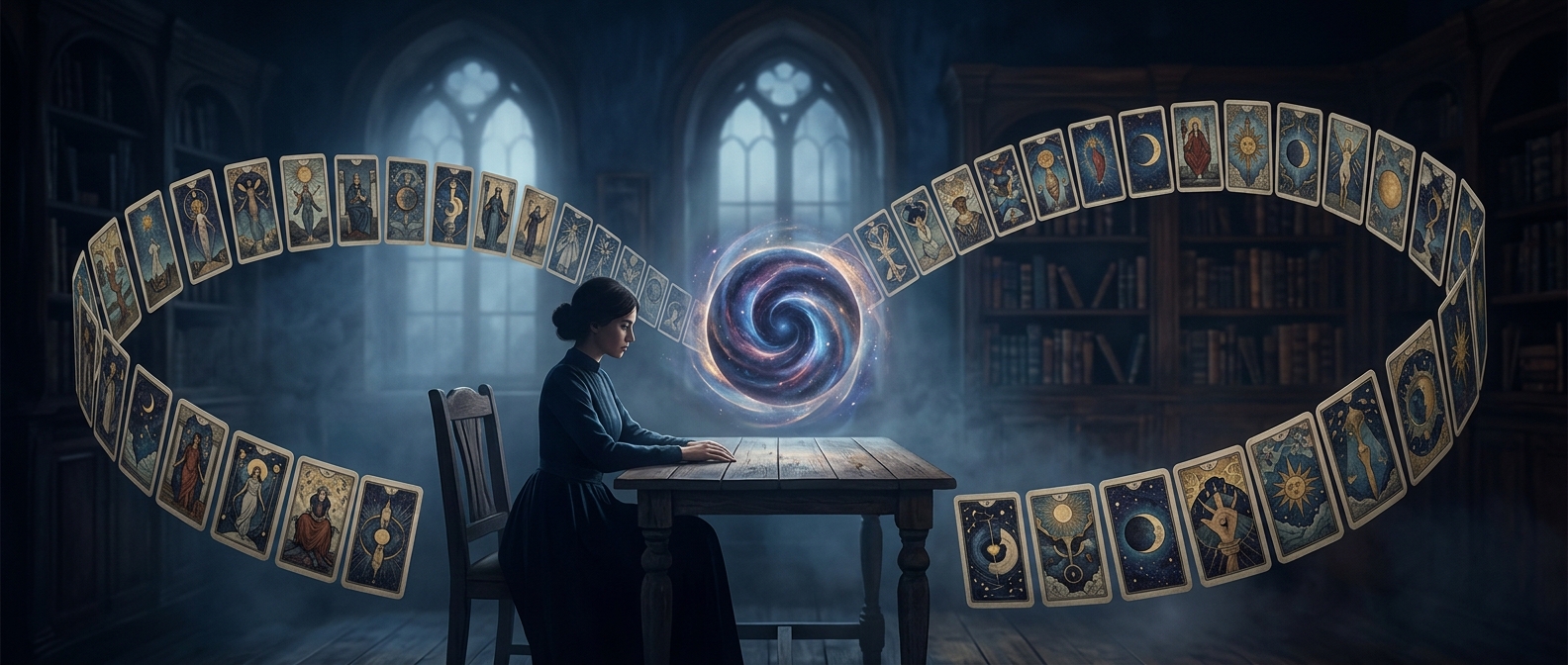
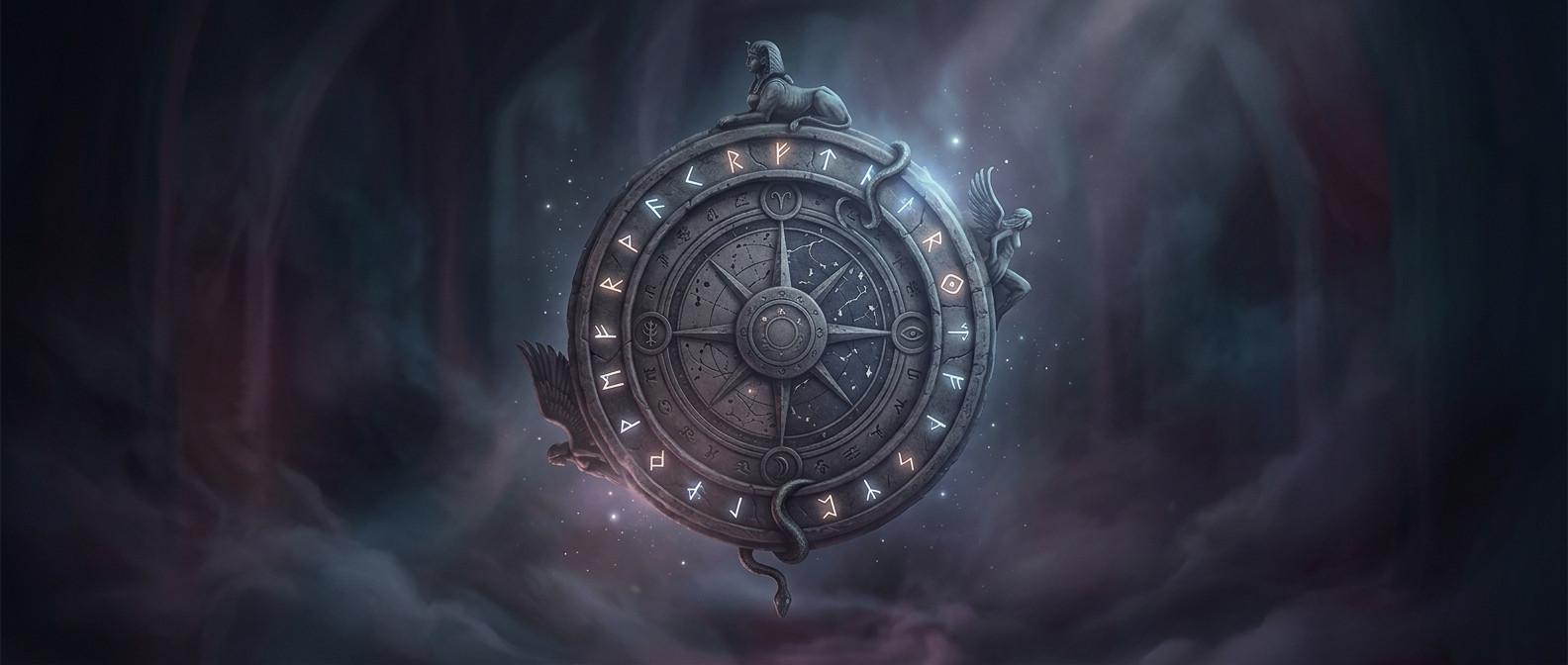
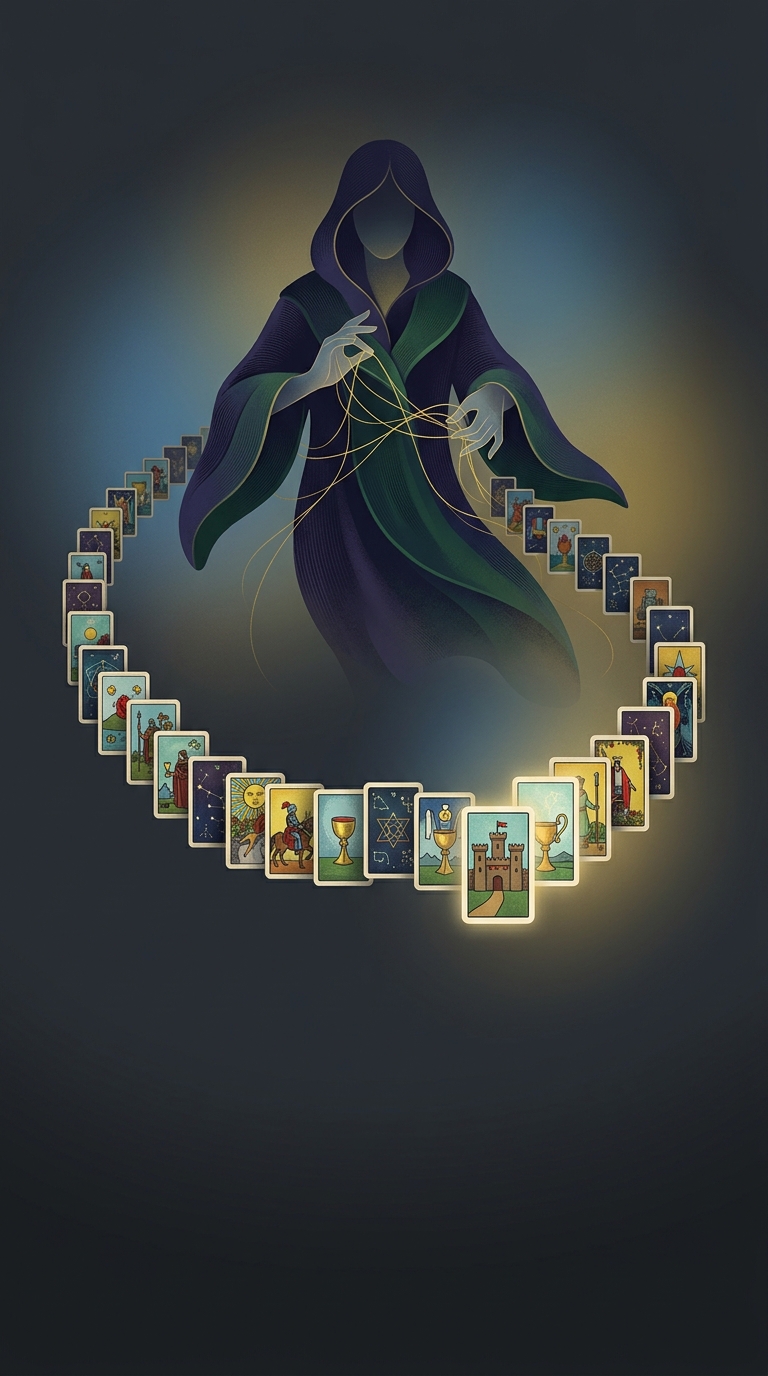
Their modern pairing is easier to understand through the symbols they share. Both invite people to connect images or patterns with themes such as change, relationships, and identity. Tarot’s archetypal figures and astrology’s signs and planets also lend themselves to a common visual language: moons, stars, ornate diagrams, and references to cosmic cycles.
How the traditions came together
Tarot’s transformation from a card game into a tool for divination came later than the cards themselves. As occult writers and practitioners interpreted the cards symbolically, tarot became part of a broader world of esoteric ideas—teachings concerned with hidden meanings and spiritual knowledge. Astrology already occupied a place in that world, so the two could be combined without becoming the same practice.
In contemporary spiritual culture, that overlap has become especially visible in books, apps, shops, and social media. A person might use a horoscope for a broad forecast and draw a tarot card as a prompt for reflection. The formats reinforce each other: astrology supplies an ongoing cycle of signs and planetary events, while a card spread offers a compact, image-based reading in the moment.
A shared aesthetic, not a shared origin
The blend is therefore cultural and practical, rather than historical proof that the systems began as one. Treating them as interchangeable can obscure what each actually does. But keeping their methods distinct helps explain the appeal of the combined lifestyle: one offers a symbolic map of the sky; the other turns a shuffled deck into a reading shaped by its particular cards and arrangement.