Why a Hard Suitcase Can Give Instead of Crack
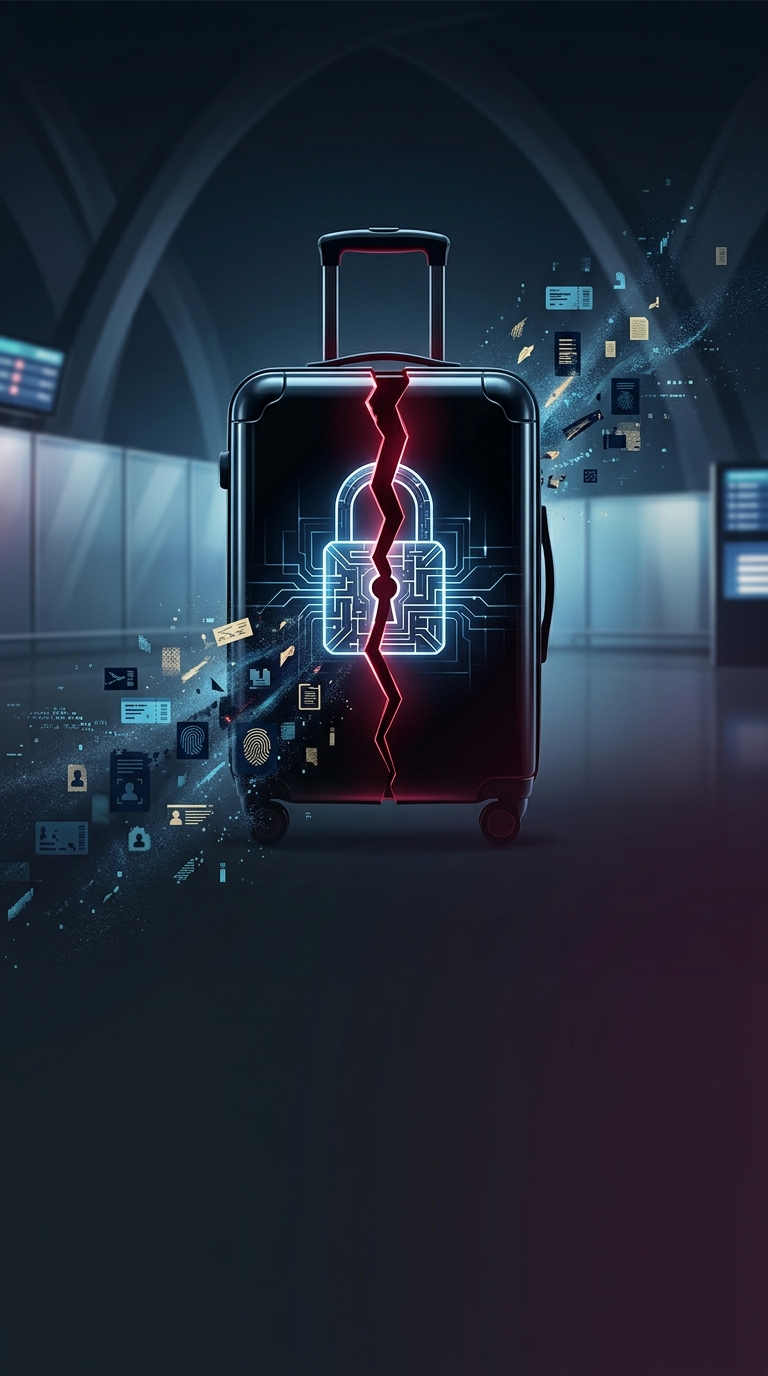
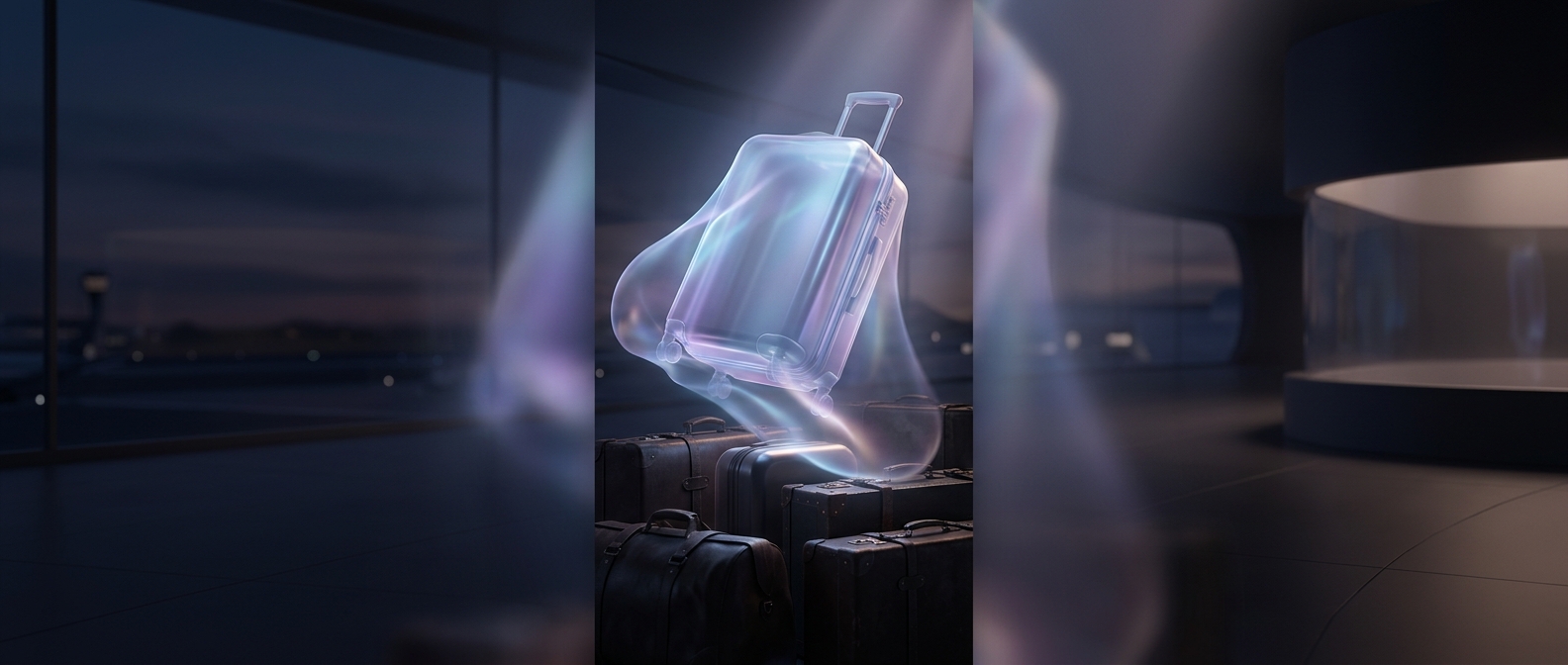
A suitcase shell has to do two jobs: hold its shape and survive a sudden blow. Polycarbonate helps with the second because it is a tough thermoplastic—a plastic that can be heated and shaped, then cooled into a rigid form. Under impact, its structure can flex slightly and spread some of the force across the shell rather than shattering like a more brittle material might.
That give is useful when a bag is dropped or squeezed among other luggage. The shell may bend temporarily, then spring back toward its original shape. It is not armor: a sufficiently hard impact can still damage it, and a flexible shell can show dents or scratches.
A Lighter Route to a Rigid Case
Before lightweight molded plastics became common, hard luggage often relied on heavier construction, including metal frames or rigid fiberboard. Polycarbonate offered makers a way to form a protective shell without making the case as burdensome to lift. Its ability to be molded also made it practical to produce shells with curves and contours, rather than relying on flat panels joined at many edges.
Those changes affected more than the material itself. A lighter shell leaves more of a traveler's weight allowance for belongings, while a molded case can be built around wheels, handles, and interior compartments. The result helped make hard-sided luggage a practical everyday choice, rather than a bulky alternative reserved for particular trips.
The Tradeoff Is Visible After Travel
Polycarbonate's resilience does not mean every case looks pristine after years of use. Surface marks can accumulate, and luggage varies in thickness, construction, and material blend. Its key contribution is more specific: it made a relatively light hard shell capable of yielding under impact instead of behaving like a rigid, brittle box. That combination changed what travelers could expect from a suitcase dragged, stacked, and dropped along the way.