The prize counter is the first step
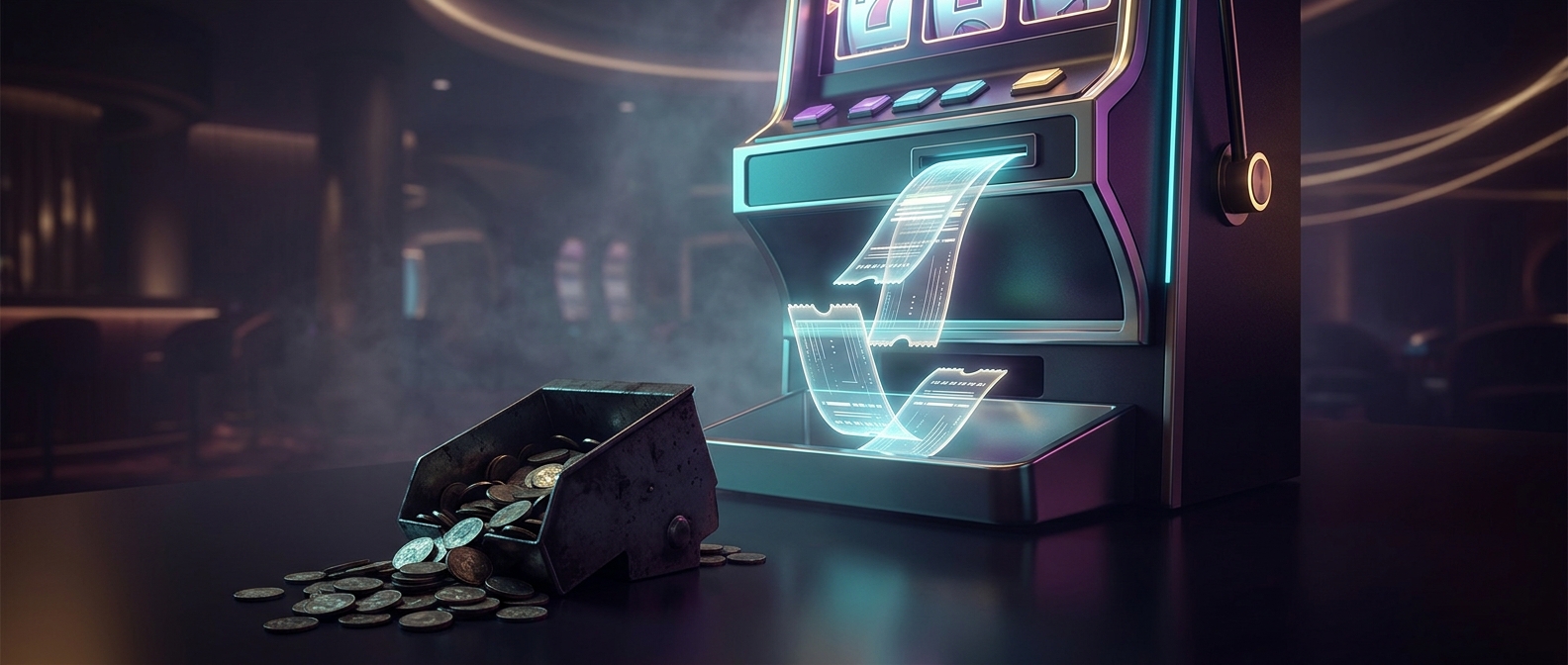
At a pachinko parlor, players buy small metal balls and feed them into a machine. Winning sends more balls into a tray; the balls themselves are not cash. At the counter, players trade them for prizes. Some choose ordinary goods, while others select a designated special prize—a small token or other object accepted by a nearby exchange shop.
Why there are two transactions
The arrangement reflects a legal distinction: pachinko parlors may award prizes, but they are not supposed to pay players cash directly for their balls. A separate shop buys the special prizes for money. Because the shop is a separate business, the parlor can describe its payout as a prize exchange followed by a sale, rather than a cash payout from the game operator.
In practice, the exchange shop is often close enough to be easy to find, even if it is not presented as part of the parlor. The tokens are valuable within this system not because players want to keep them, but because the shop will buy them.
A familiar routine with a legal seam
The process turns a machine’s ball count into a sequence of transactions: balls become prizes, and a special prize becomes cash elsewhere. That separation is the key to how players can leave with money without the parlor handing it to them at the counter.