How a Drum Fill Became Musical Raw Material
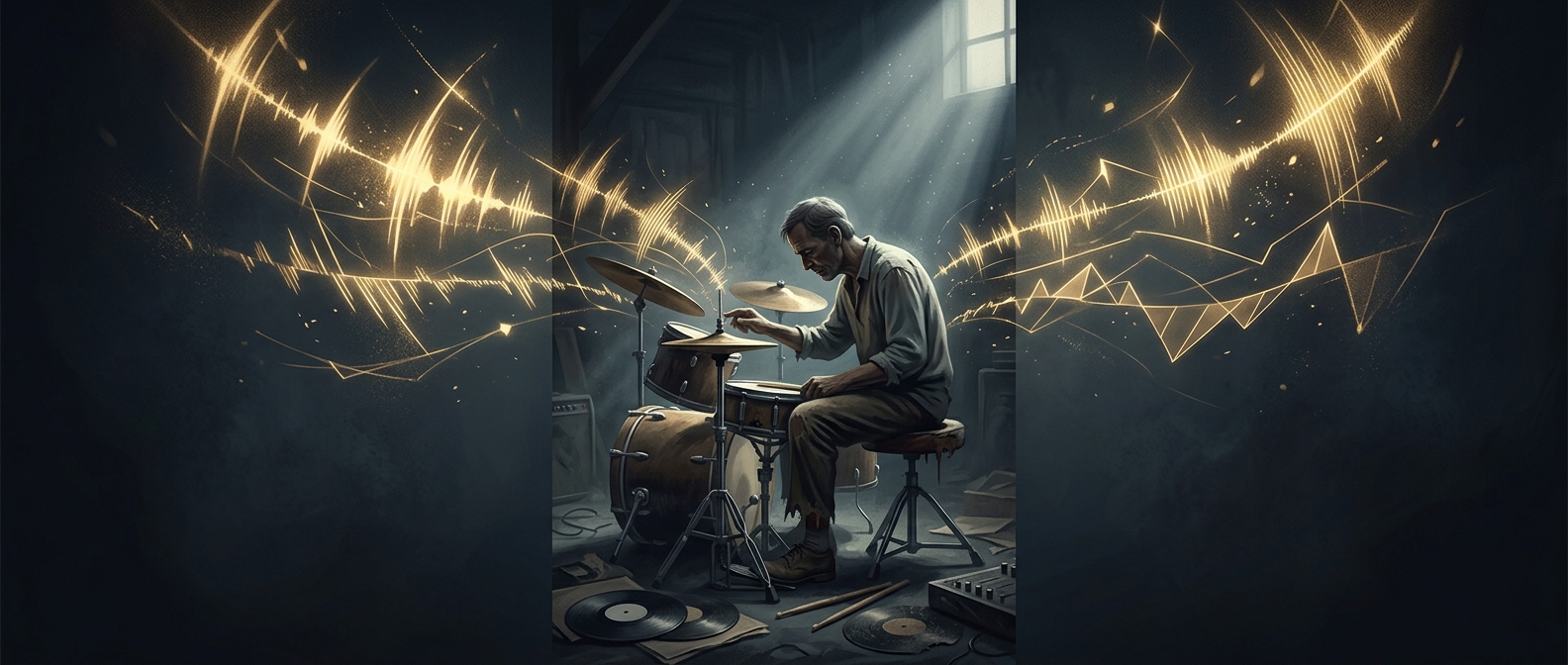
The Amen Break is a brief drum passage from “Amen, Brother,” a 1969 recording by the Winstons. Its appeal lies in what happens inside those few seconds: a drummer’s changing accents make the rhythm feel lively rather than mechanical. Later producers could lift the passage, repeat it, speed it up, or slice it into smaller pieces, turning one performance into the rhythmic foundation of a new track.
That flexibility helped the break travel across genres. In sampling, a producer takes a piece of an existing recording and reuses it in another work. The Amen Break was especially useful because its sharp snare hits and shifting pattern could be rearranged into rhythms that sounded both forceful and loose. As sampling spread through hip-hop, dance music, and other styles, the same passage became a shared musical resource.
Why Its Arranger Missed Out
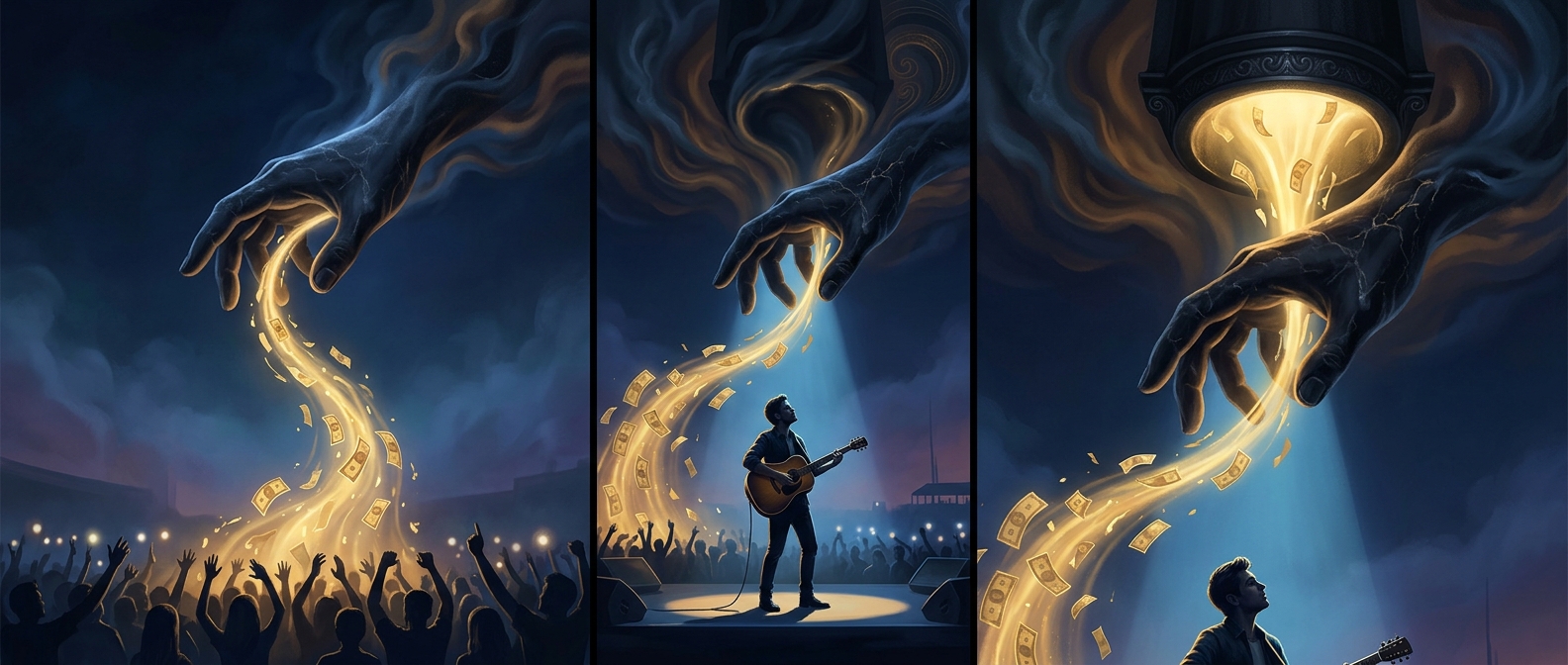
The money and recognition did not necessarily follow the sound. Richard L. Spencer arranged the passage, but sampling rules and industry practices were not built to reliably track every short excerpt reused from a recording. A new song could be made from a tiny fragment, while the people who created or performed that fragment remained far removed from the new release’s credits and revenue.
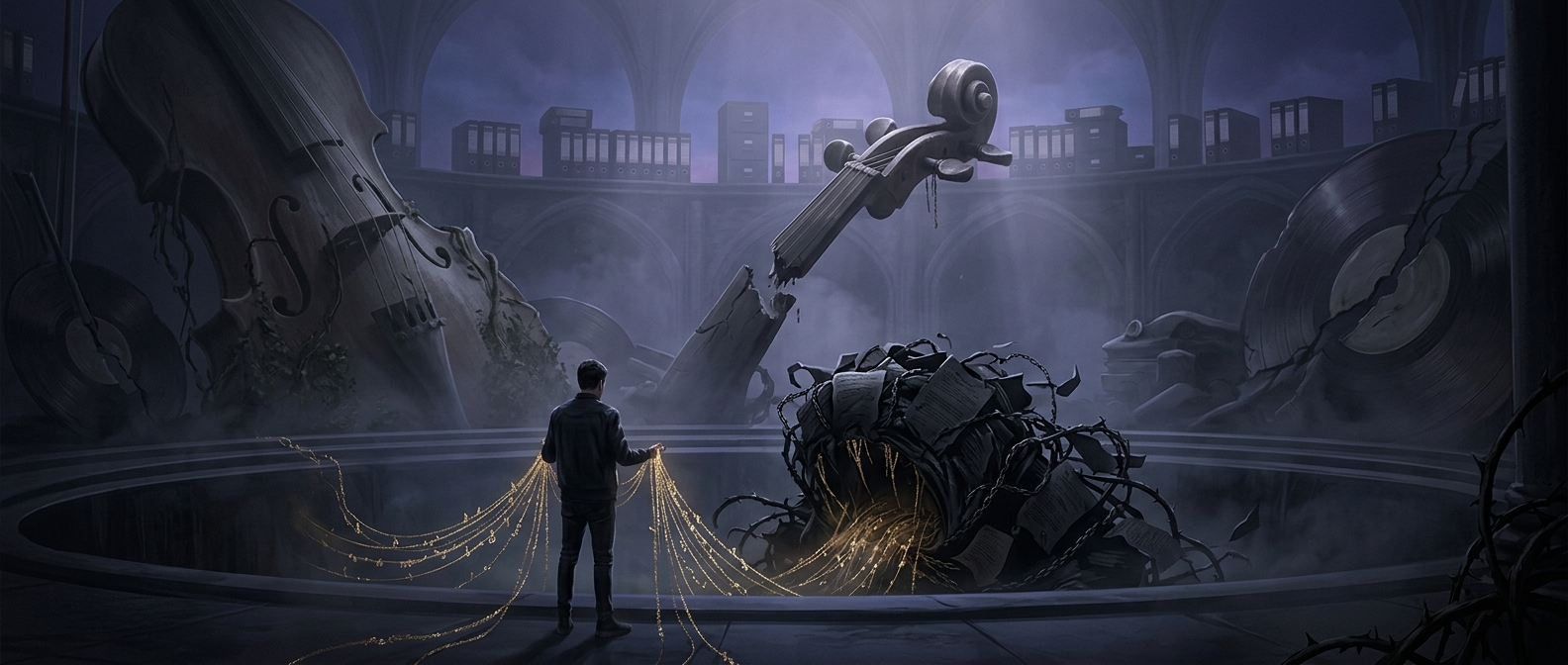
That gap reflects a basic problem with creative reuse: the shorter and more transformed a sample becomes, the harder it can be to identify who should be paid—and under what rights. The original recording and the later composition may involve different contributors, contracts, and permissions. When those systems fail to account for a sampled part, its popularity can generate value for later artists and businesses without returning much to its source.
The Amen Break’s afterlife shows how a few seconds can become an unofficial building block of modern music. Its influence multiplied each time a producer reshaped it; the arranger’s share, by contrast, did not automatically multiply with it.