Why making everything at home can become costly
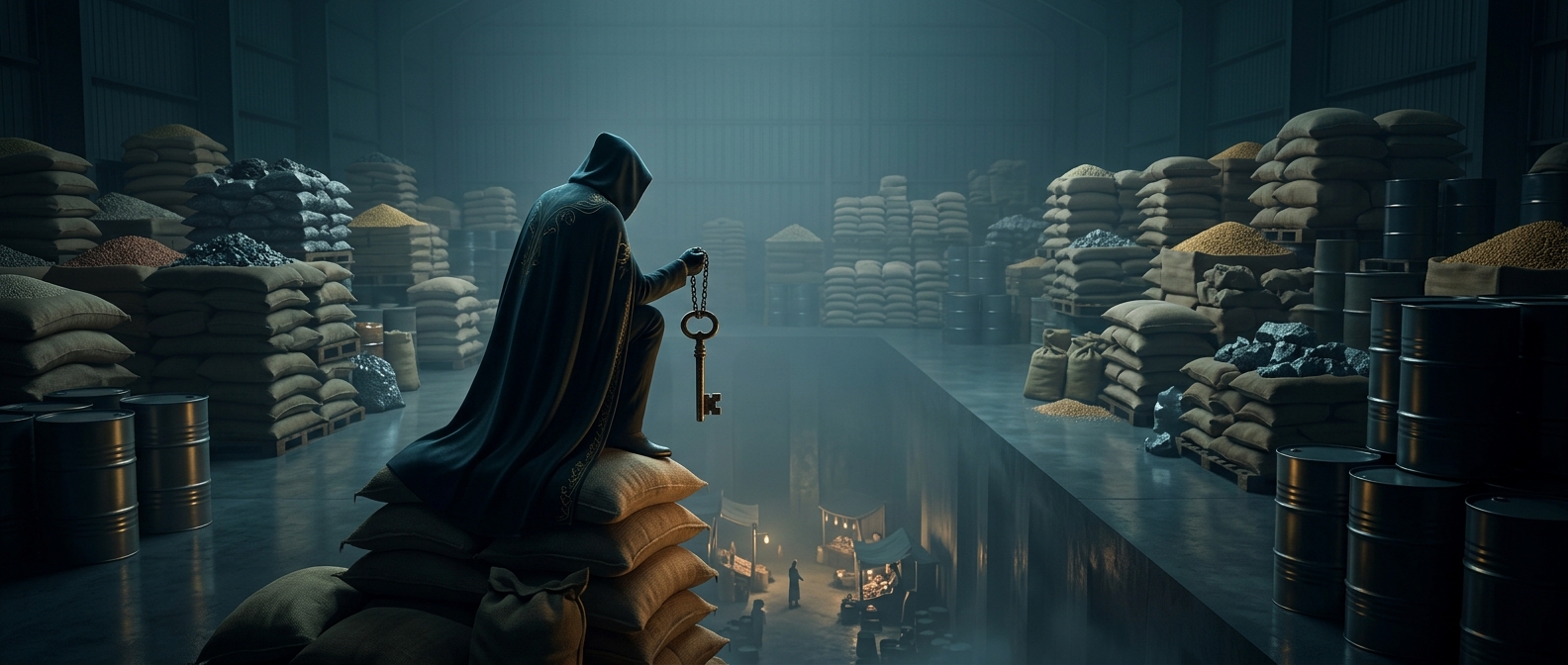
Autarky is an effort to supply a country’s needs from domestic production rather than relying on trade. The difficulty is that economies are interconnected: farms need machinery and fuel, factories need raw materials and components, and workers depend on goods produced elsewhere. A country may have the skills to make a product but lack the inputs—or the scale—to make it efficiently.
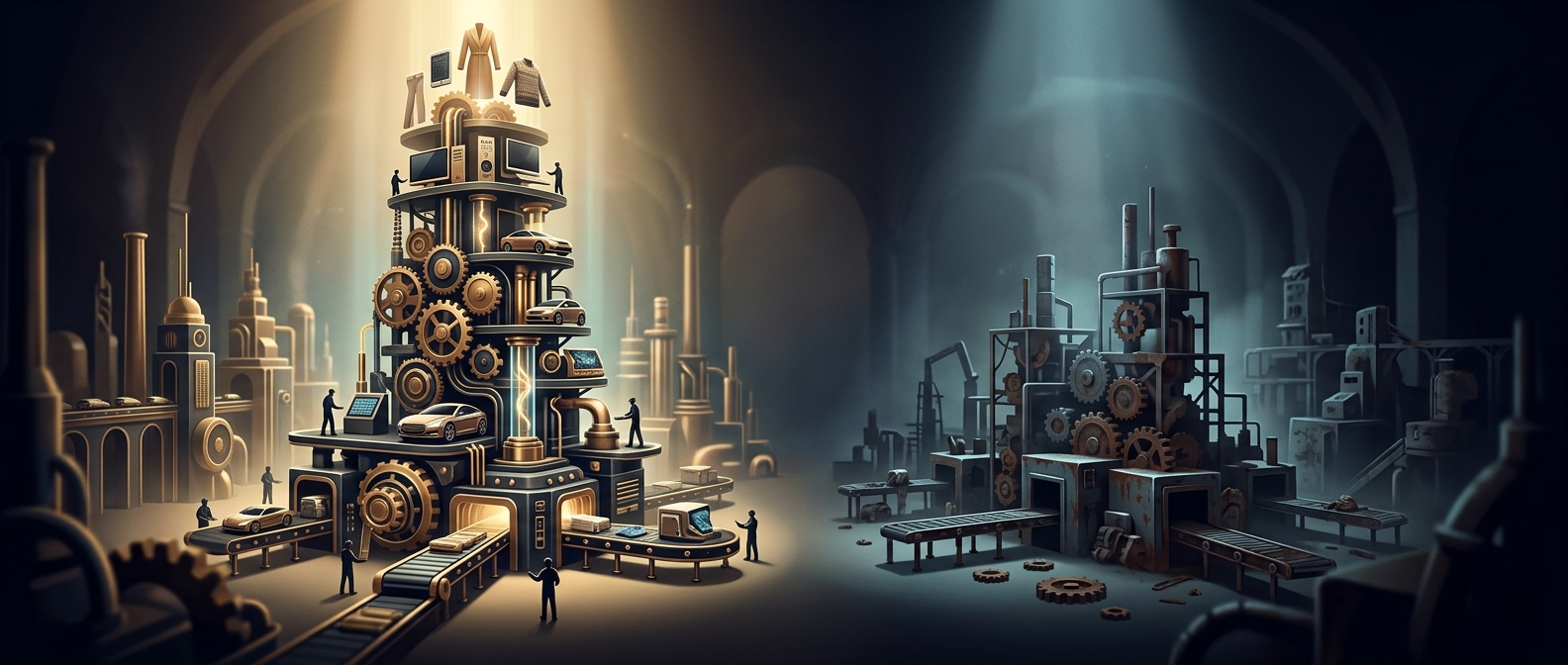
Trade lets countries specialize in what they can produce relatively well and exchange the proceeds for other goods. Cutting those exchanges can leave factories short of parts, raise the cost of production, and reduce the variety of goods available. If domestic suppliers cannot fill the gap, the result can be scarcity or prices that put basic necessities out of reach.
The pressure builds through the supply chain
The strain is not limited to imported consumer goods. A missing industrial chemical, machine part, or fuel supply can interrupt production across several industries. Replacing imports at home takes time and investment; meanwhile, consumers and businesses bear higher costs, and producers lose access to customers abroad.
That is why attempts to shut out trade have often brought severe hardship, especially when a country cannot produce enough essentials. Autarky does not guarantee disaster in every circumstance, but pursuing it means accepting the cost of duplicating production and the risk that a domestic shortfall has no outside source to draw on. When a crucial input runs out, the shortage can spread far beyond the factory that first needed it.