Why a Pack Mule Needs a Clear Cue
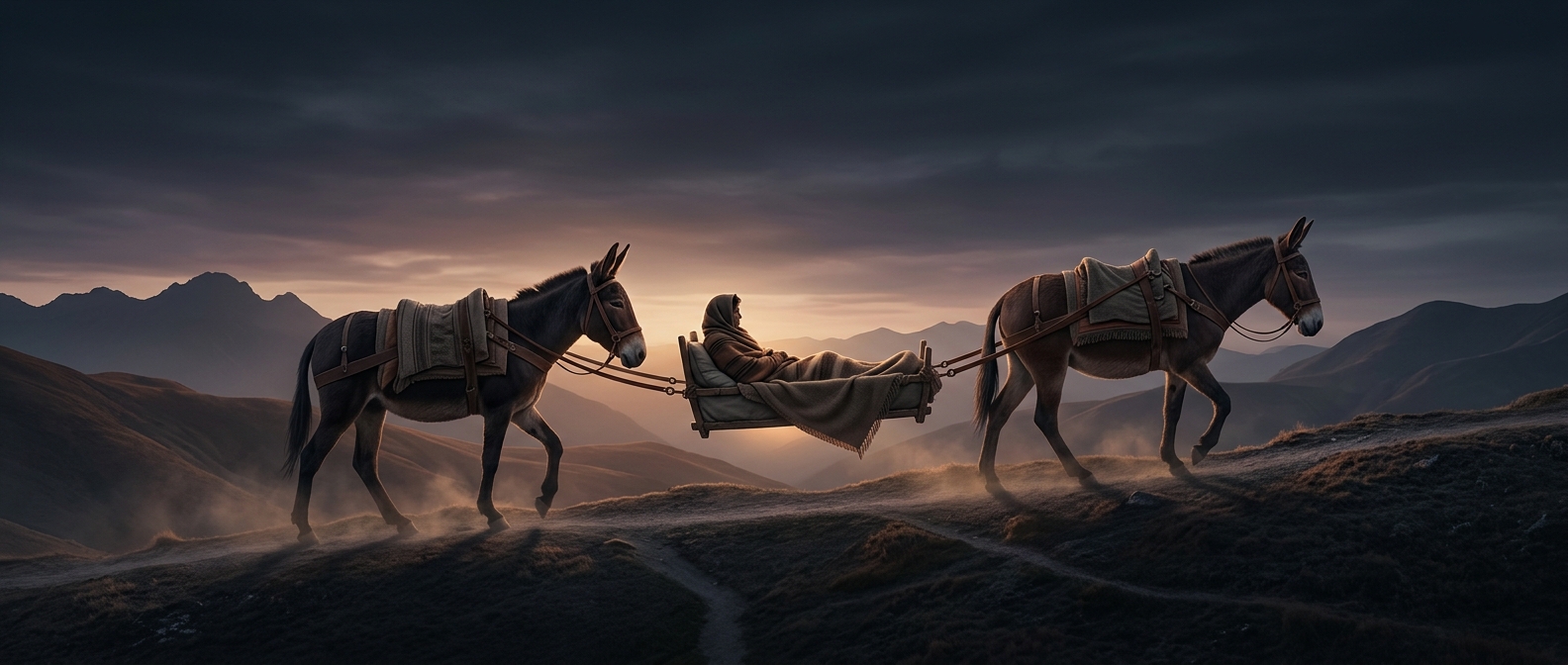
A mule carrying a load has to keep moving while placing each hoof on a trail that may be only a few feet wide. The handler cannot simply turn it like a vehicle: there may be no room to step aside, and a sudden sideways move can bring the animal or its cargo closer to a drop. Guidance therefore depends on small, timely signals that help the mule continue along the path.
A Crack Is a Signal, Not a Steering Mechanism
A whip’s sharp report can cut through wind and the sounds of a moving pack train. It alerts an animal that has slowed or drifted, prompting it to respond to the handler’s direction. The crack itself does not control the mule’s feet or choose a safe route. The handler still has to read the trail, set the pace, and guide the animal with voice, position, and other cues.
That distinction matters on steep ground. A mule must balance its own body and its load, while the handler tries to keep the group moving without crowding the trail. A sudden stop can bunch animals together; a poorly timed attempt to pass can leave little room to recover. A brief, unmistakable cue can help restore movement before a hesitation becomes a larger problem.
The Trail Sets the Limits
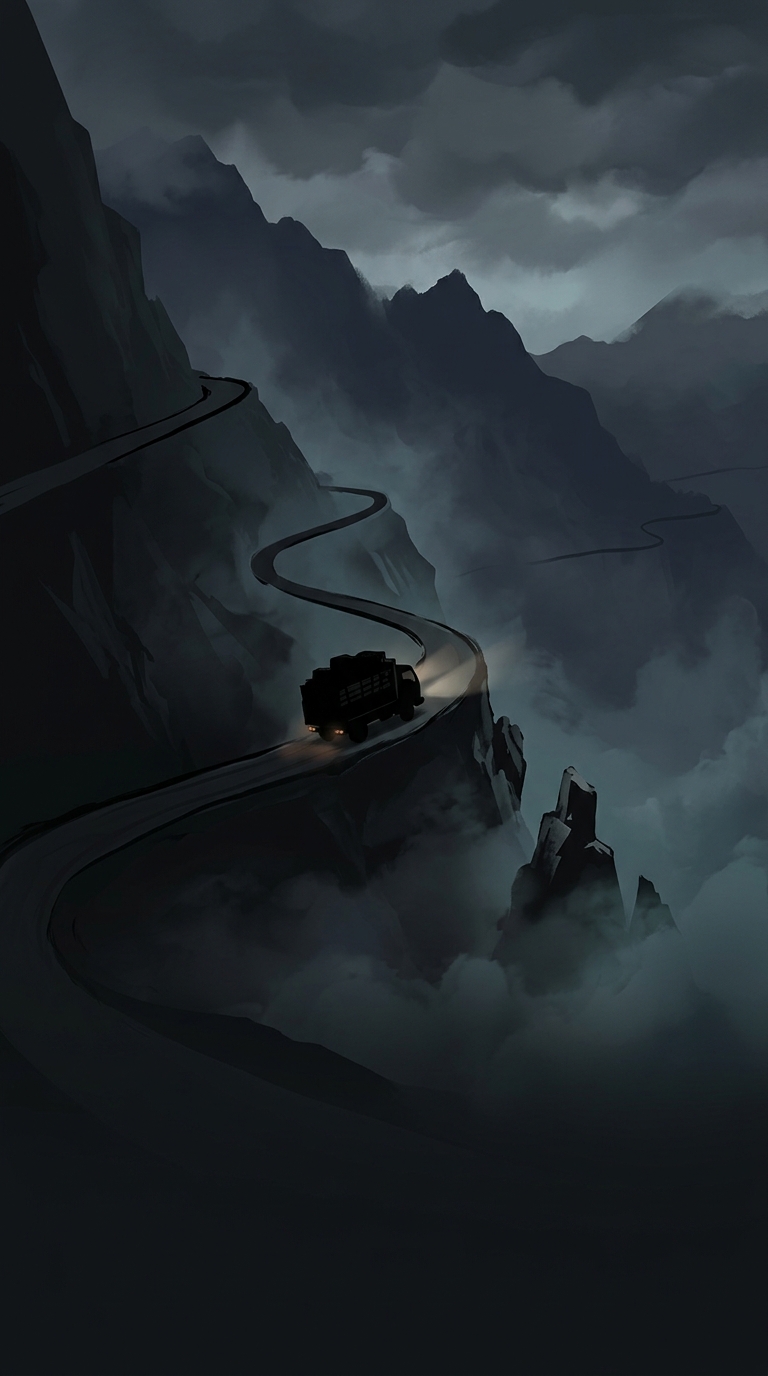
Pack mules are valuable in places where wheeled transport cannot travel, but their sure footing is not a substitute for careful handling. The path determines where they can go, and the load affects how cautiously they must move. The whip’s role is narrower: it gives the handler a way to get attention at a distance, while judgment and the animal’s own steps do the work of navigating the pass.