Why a First-Person Game May Give You Only Arms
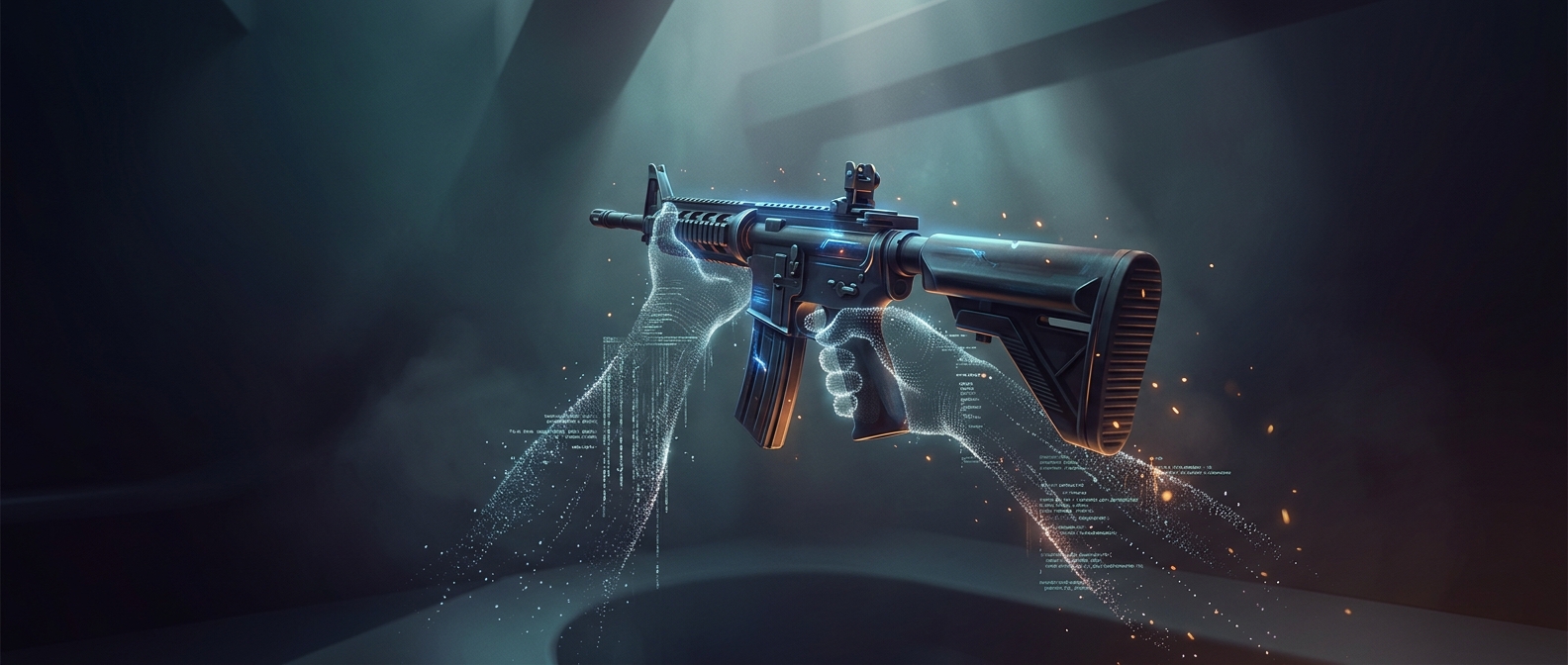
In a first-person game, the camera stands in for the player’s eyes. The character’s torso and legs are usually below or behind that camera, so drawing them would often do nothing for the image on screen. Some games therefore use a separate, simplified model—typically arms and a weapon—for the player’s view.
This is not just a smaller version of the full character. The visible arms can be positioned and animated to make aiming, reloading, or swinging a tool easy to read on screen. They may sit closer to the camera than a realistic body could, helping the weapon stay visible instead of disappearing behind nearby walls or clipping into the environment.
What the Game Saves—and What It Gives Up
A graphics processor spends time calculating how objects appear in each frame. If a character’s legs and torso cannot contribute to the view, leaving them out of that view model avoids work that would not change the picture. The savings vary by game and hardware, but the choice can also simplify animation and prevent awkward camera intersections.
The tradeoff is that the player may not see their own body when looking down. A game can still use a fuller character model for other views—for example, for other players to see—while showing only arms and equipment to the person playing. The result is a practical split: the first-person view is built for clarity and control, not necessarily to show a complete body from the character’s own perspective.