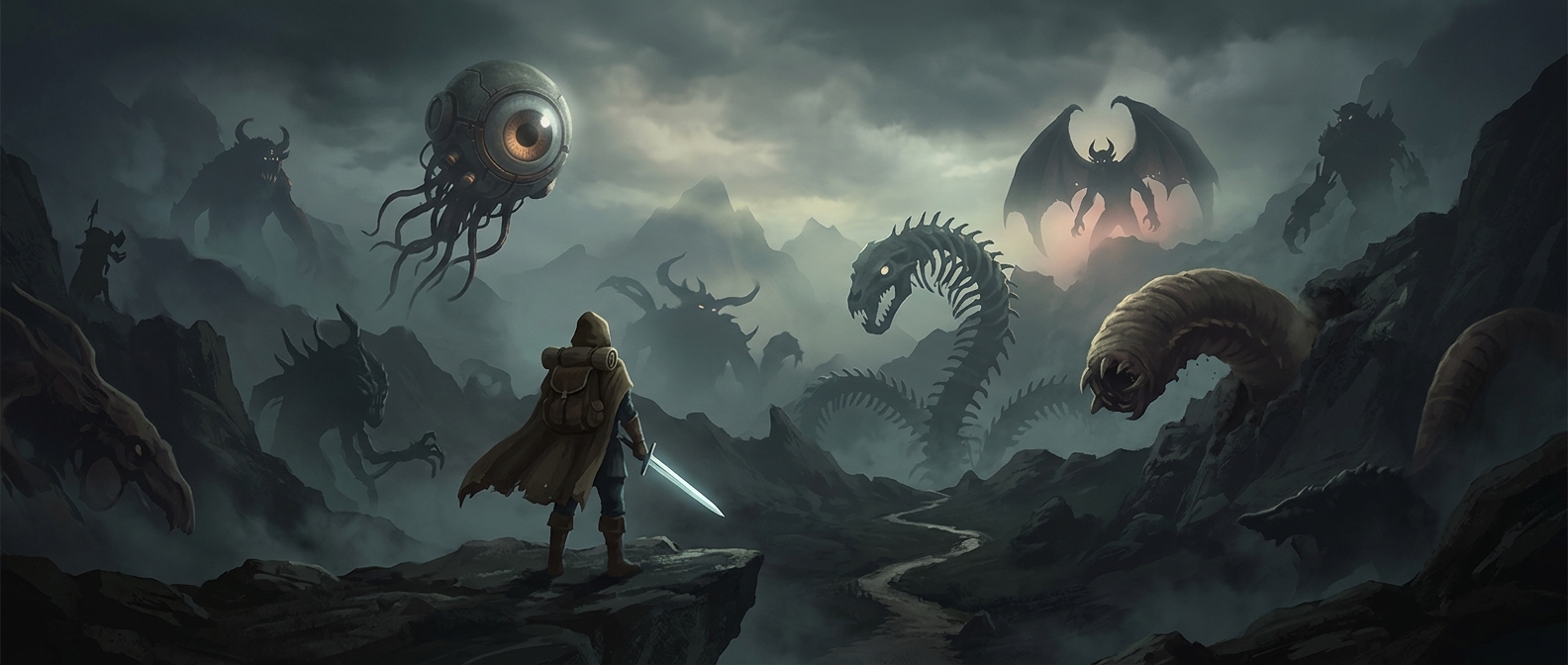
Digging is the game’s progression system
In Terraria, mining is not a separate activity from combat; it is how players prepare for it. Ore becomes stronger armor and weapons, while caves yield materials, treasure, and routes into unfamiliar parts of the world. Better equipment makes dangerous areas and major fights more manageable, and those fights in turn unlock the next stage of exploration.
That loop lets a modest task—looking for a vein of ore—feed into a much larger adventure. Players choose where to dig and what to build, but the world’s tougher challenges keep giving those choices new stakes.
Boss victories change what the world can offer
The shift is built into the game’s structure. Defeating the Wall of Flesh, a major boss, activates Hardmode: enemies grow more dangerous, new resources and threats appear, and the map itself changes. The player is not simply fighting larger versions of the same opponent; each milestone opens access to new equipment and new challenges.
Later bosses make that escalation visible, from the mechanical trio to the Moon Lord, the game’s final major foe. Reaching them means carrying the consequences of earlier progress—gear gathered, arenas built, and hazards learned—into fights that dwarf the initial work of breaking stone.
The scale is part of the payoff
Because the game begins with tools and terrain the player can reshape, its huge battles feel connected to hands-on preparation rather than detached from it. A tunnel dug for ore can help fund the armor for a boss fight; a victory can make the next expedition possible. The cosmic finale is startling partly because it grows out of such ordinary, physical tasks.