Why irritation can look like interest
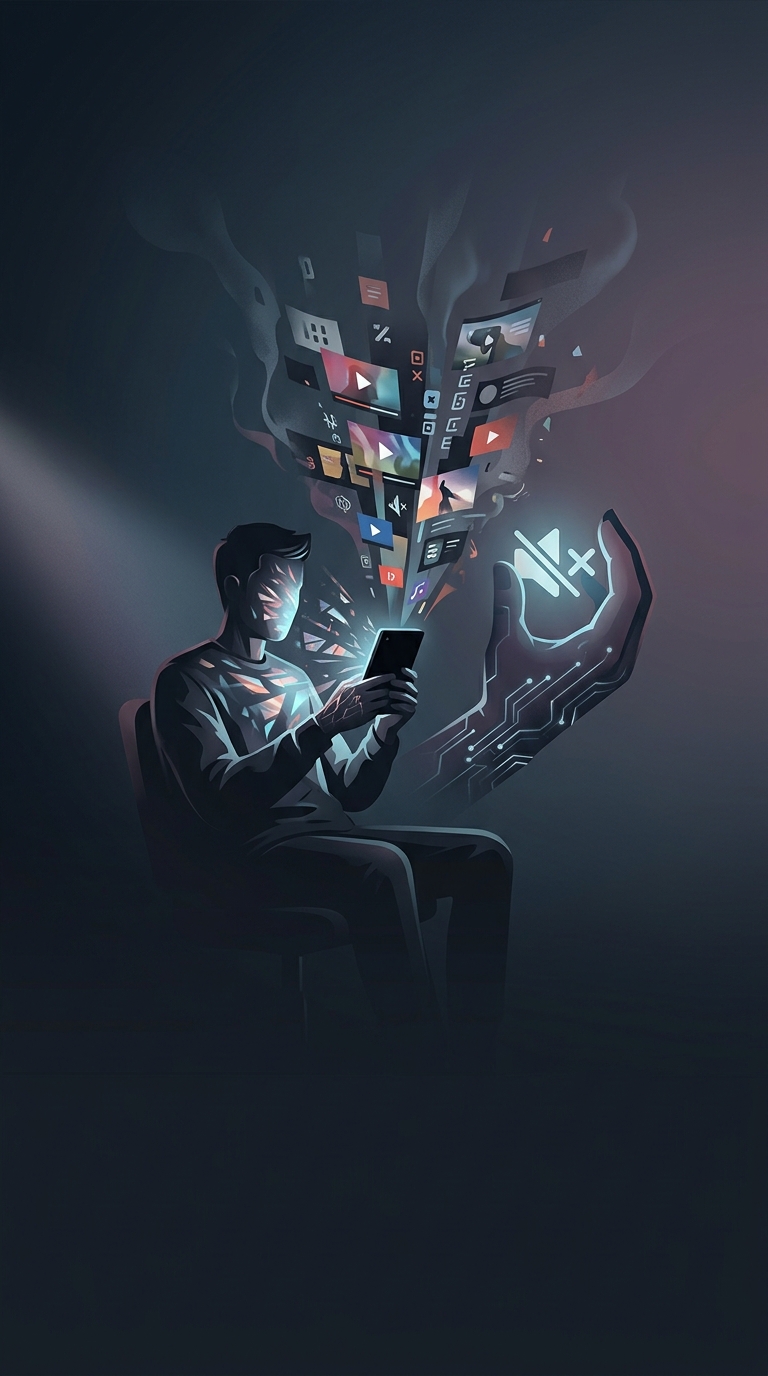
A short-video recommender does not know that a creator annoys you. It sees actions: whether you pause, replay, comment, share, follow, or swipe away—and how quickly. Those signals are imperfect. A clip that makes you angry may hold your attention longer than one you enjoy, and a heated comment can look like unusually strong engagement.
The system is trying to predict what you will watch next, not make a careful distinction between delight and irritation. If your behavior resembles that of people who keep watching similar clips, the recommendation can seem sensible to the model even when it feels baffling to you.
How one unwanted clip can lead to more
Recommendations are also experiments. A platform may show you a creator or topic it has limited evidence about, then use your response to decide whether to show more. If you stop scrolling to inspect the clip, watch to the end, or open the comments, the system may interpret that attention as a reason to test another similar video.
That creates a feedback loop: the recommendation produces a reaction, and the reaction becomes evidence for the next recommendation. Even a negative response can be ambiguous. A quick swipe is a clearer sign of disinterest than a long pause followed by an angry comment.
The signal you send matters
This does not mean every algorithm will keep showing an annoying creator forever. Recommendations change as new behavior arrives, and platforms use different signals. But when attention is the easiest thing to measure, being bothered can accidentally resemble being engaged.
If you want the feed to learn that a creator is unwanted, a fast swipe or an explicit “not interested” control is generally a clearer signal than watching, replaying, or arguing in the comments. The strange result is that the video you paused to complain about may be the one that earns its creator another test in your feed.