The contest is about holding ground
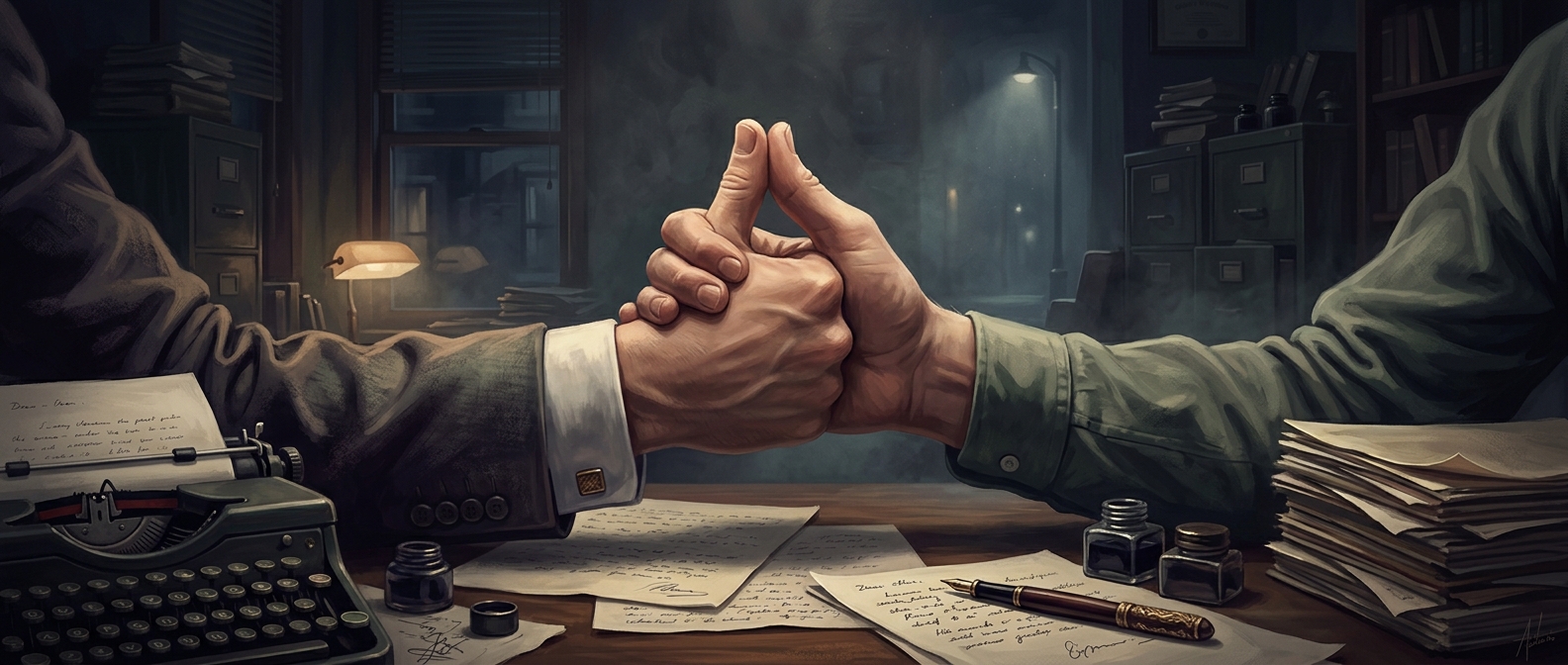
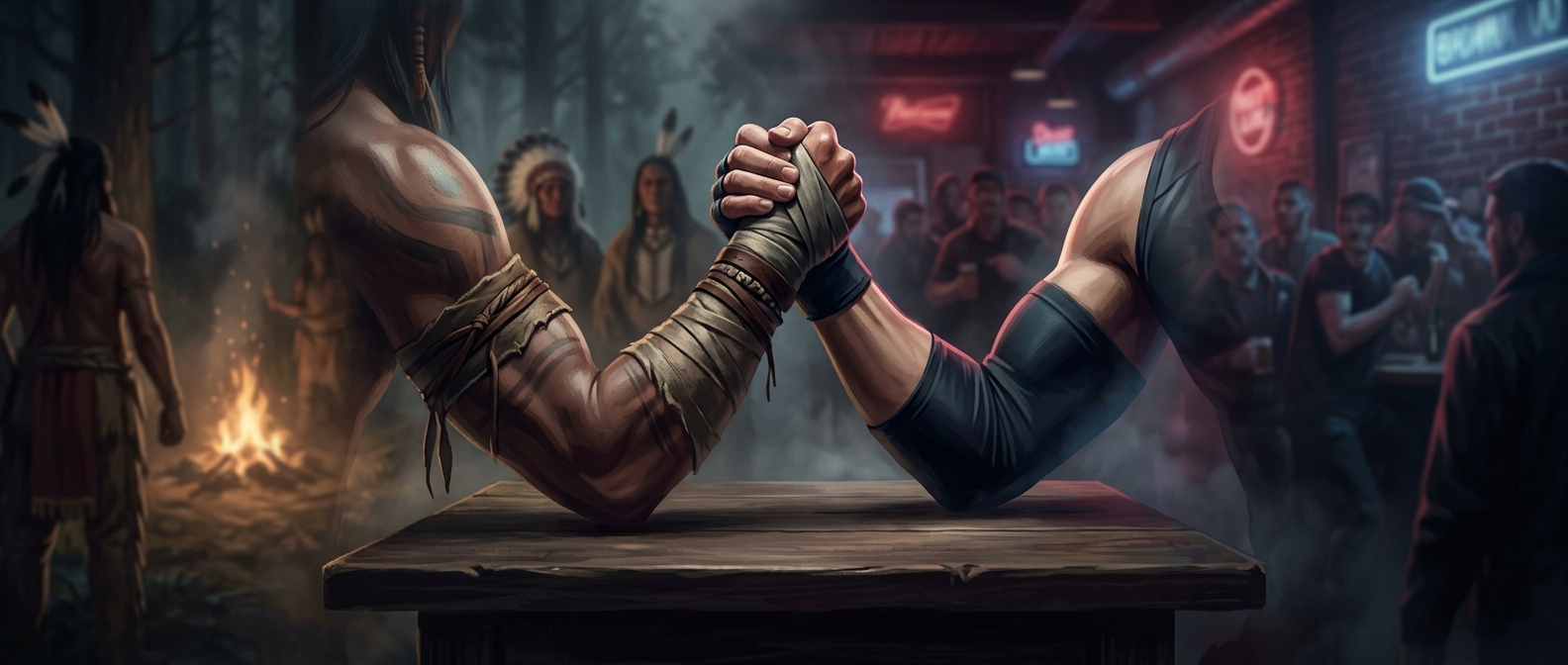
In an endurance-style arm-wrestling match, the challenge is not simply to overpower an opponent in one burst. Each person tries to keep the other’s hand from moving toward the table while resisting the opponent’s force. Even when the hands barely shift, the muscles in the forearm and upper arm are working hard to maintain that position.
That makes the contest easy to understand as a test of staying power: a small movement can change the leverage, but neither competitor can relax without giving up ground. The same simple setup also made arm wrestling easy to carry from a test of endurance into a casual contest at a pub table.
Why the elbow can take the strain
The hand is the visible point of the contest, but force travels through the wrist and forearm into the elbow and upper arm. When opponents pull in different directions, the elbow’s inner side can be put under substantial twisting stress. A ligament there—the ulnar collateral ligament, which helps stabilize the elbow—can be strained or torn when that force exceeds what it can withstand.
The danger is especially easy to miss because the contest can look almost motionless. A prolonged stalemate still means both people are exerting force, and a sudden change in leverage can sharply increase the load on the arm. What looks like a harmless tabletop challenge can therefore end not with a dramatic fall, but with an injured elbow after a brief, forceful twist.