Why a Leap Can Land on the Back
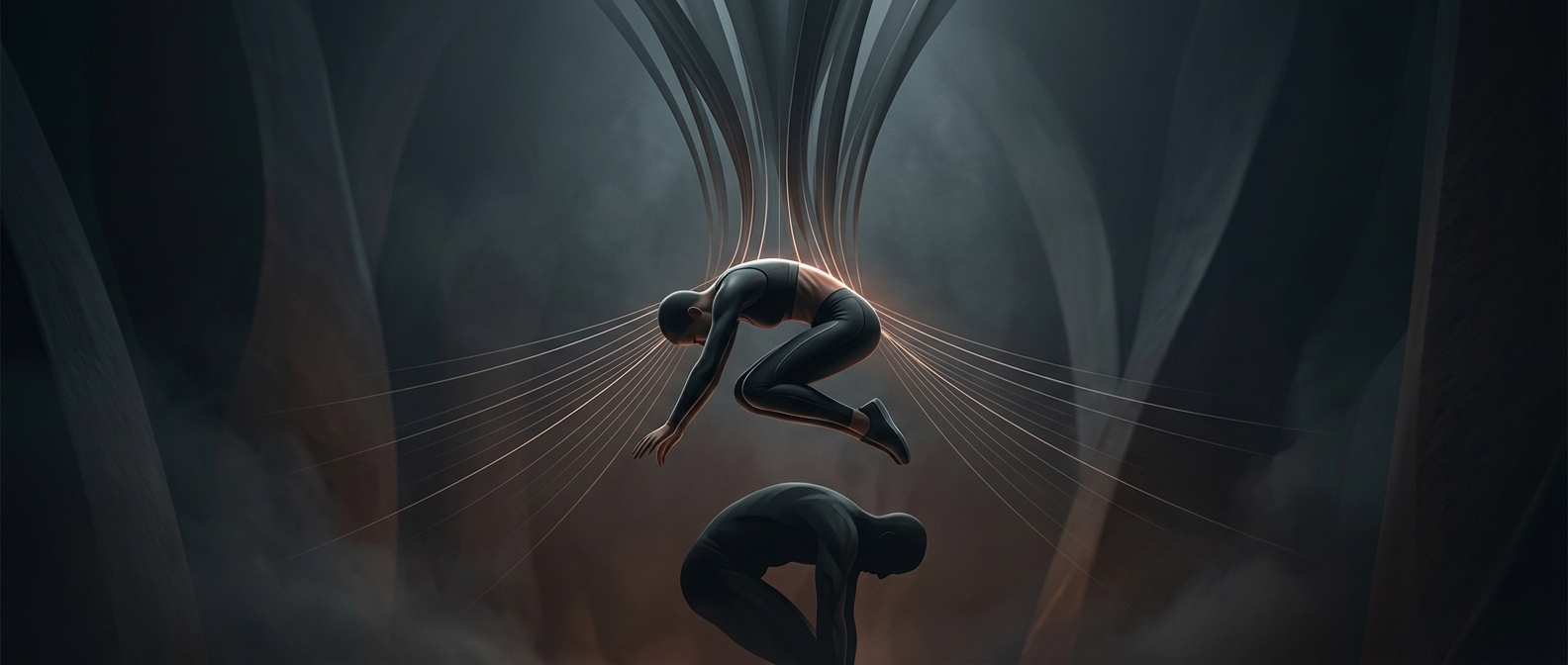
Leapfrog works only when the person being jumped over is low and steady while the jumper clears them. The jumper usually plants both hands on the other person’s back and swings their legs over. That brief hand contact is meant to help lift the jumper’s body—not to make the other person a landing spot.
If the jumper comes up short, loses balance, or reaches the hands down too early, the legs may not clear. Their body keeps moving forward, and some of their weight can come down on the other person’s lower back. Unlike a planned hand plant, that impact is difficult for the person underneath to brace for, especially if they are bent over and supporting their own weight.
Why a Small Misjudgment Matters
The landing can also shift suddenly: the jumper may slide off to one side, twist, or push down unevenly. That concentrates force on a smaller area and can strain muscles or other tissues. The person being jumped over may also buckle or move at the moment of impact, making the landing less predictable.
A clear, level space and a controlled turn can reduce the chance of a collision, but they cannot make a failed jump harmless. The game’s defining move depends on the jumper clearing the other person completely; when that clearance disappears, the back can take the load instead.