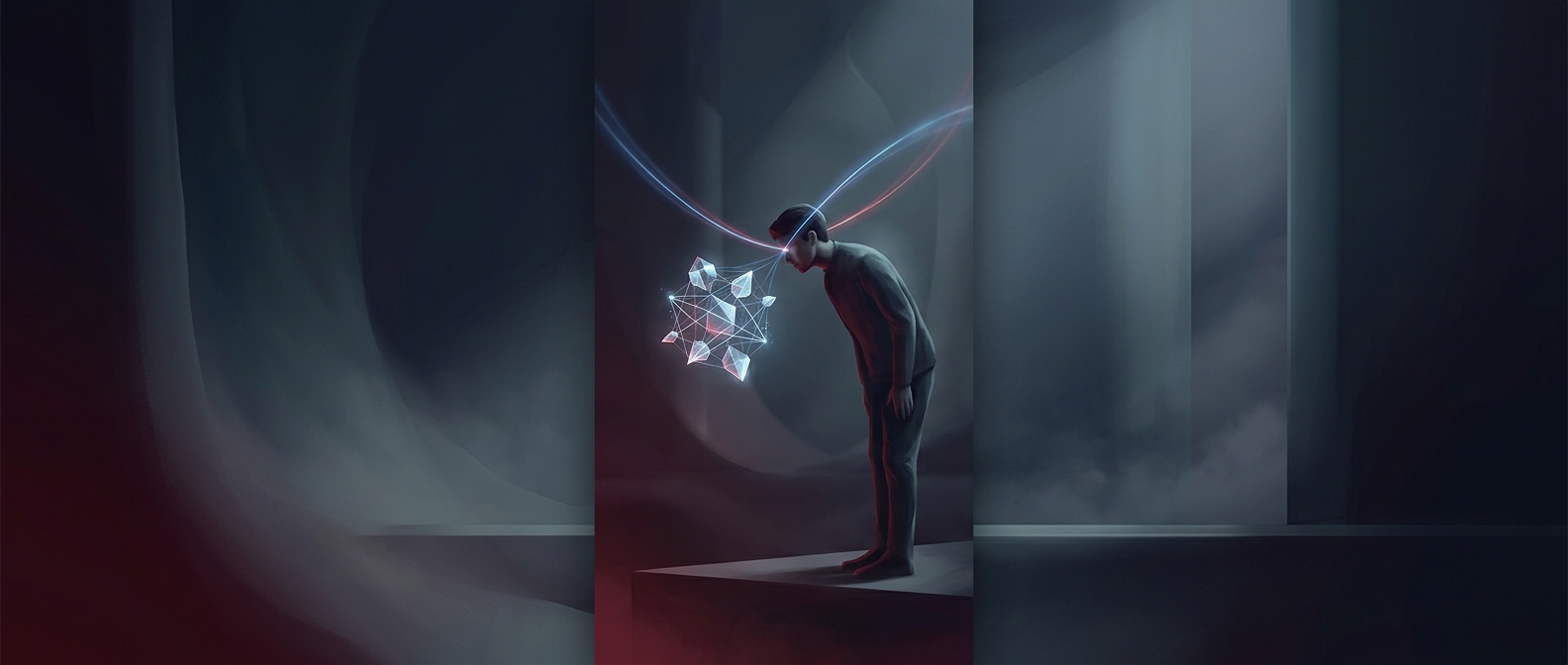
The brain does not switch states all at once
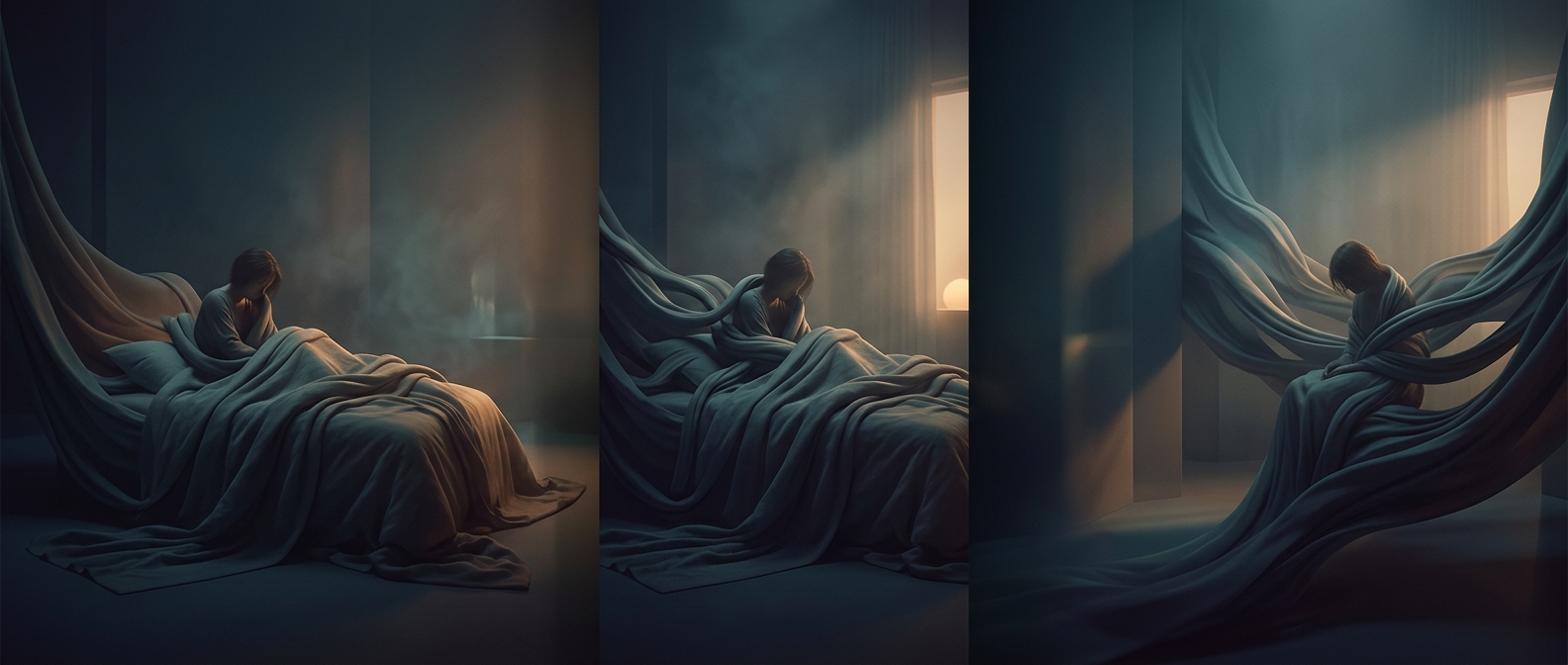
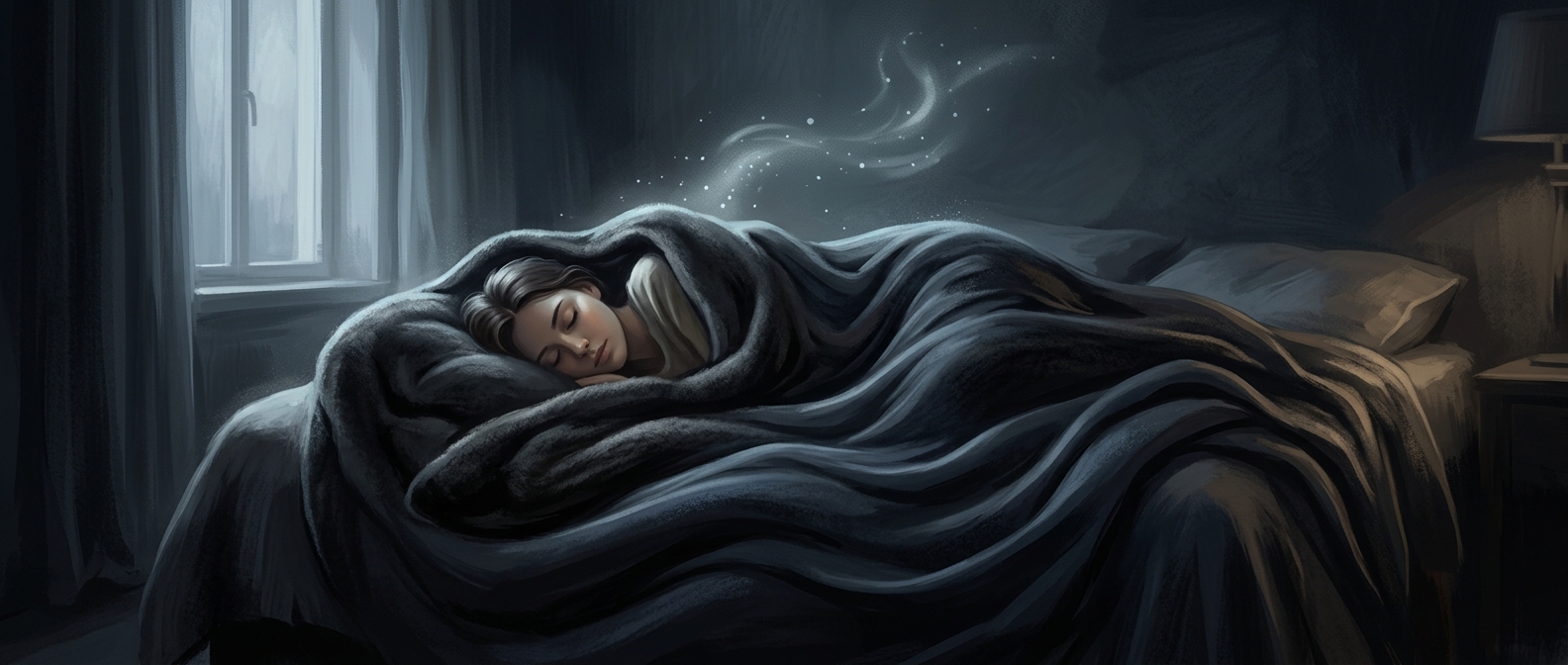
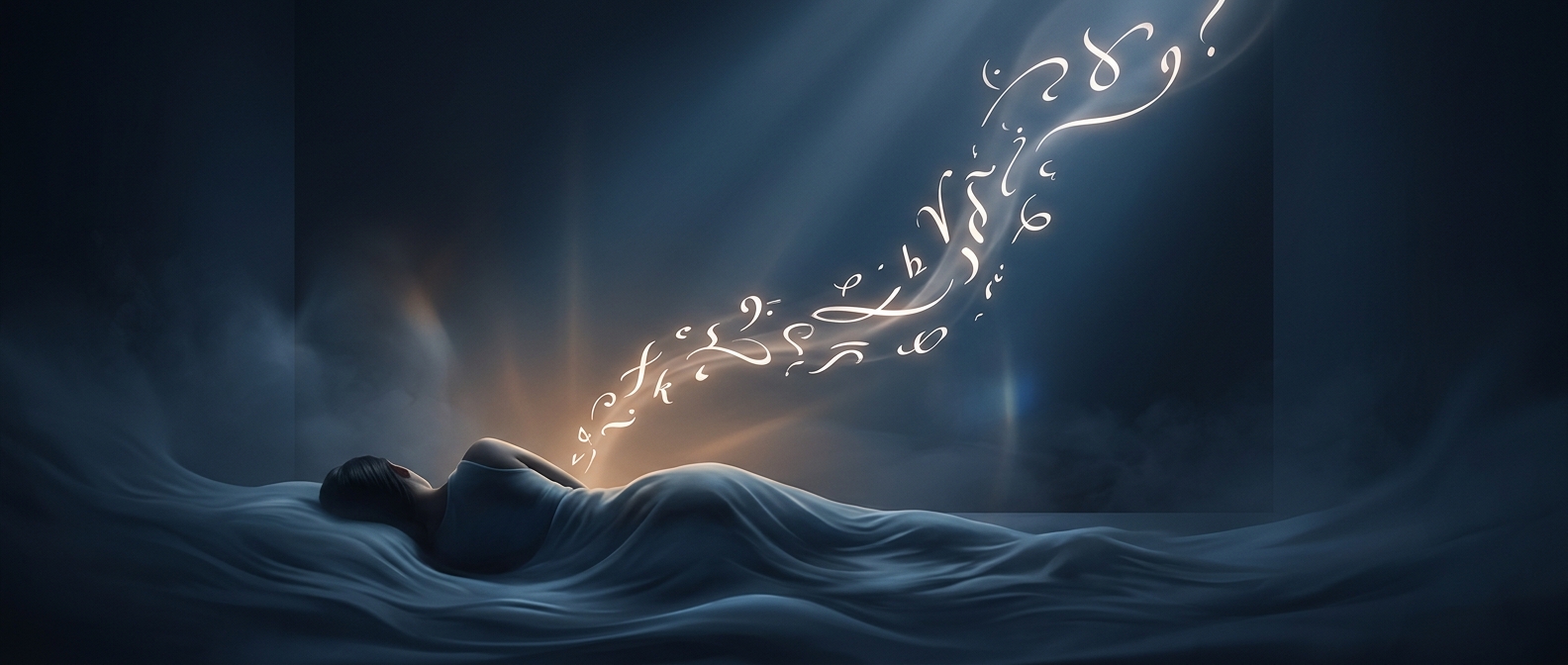
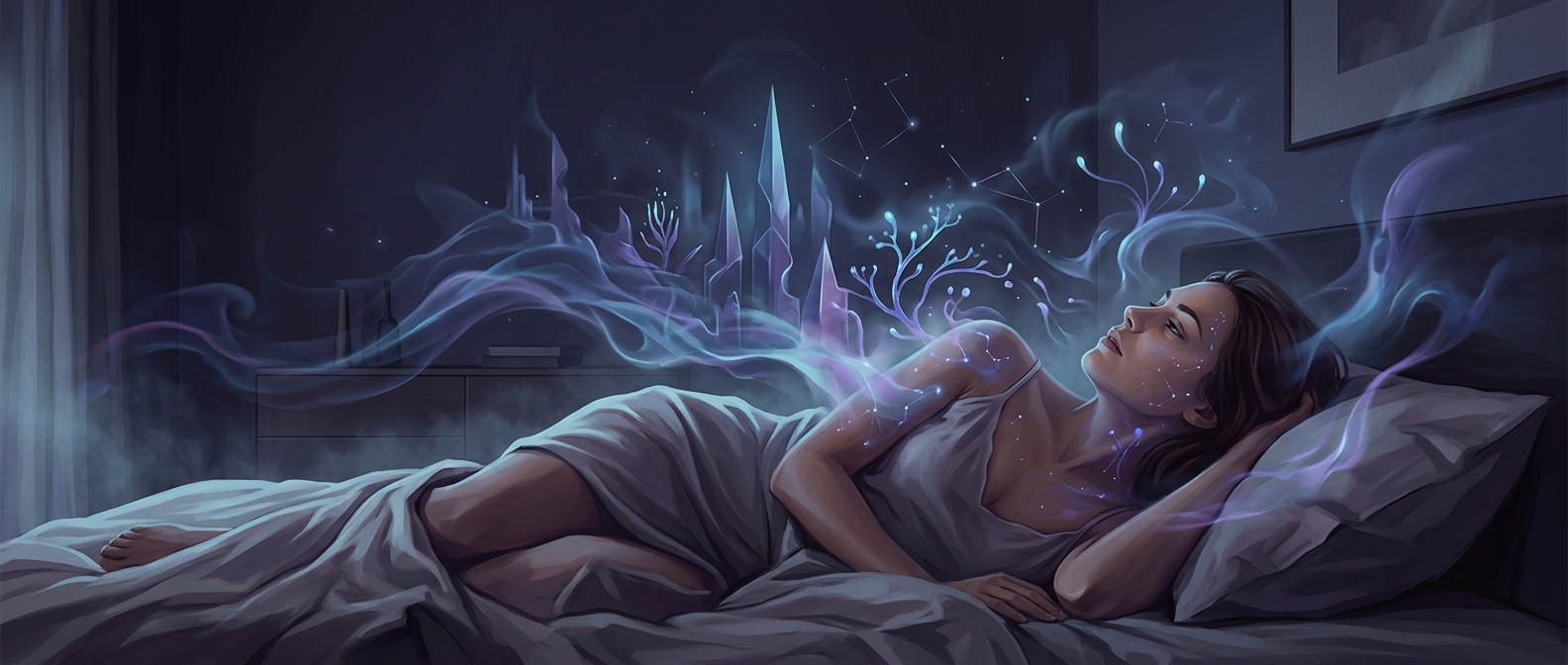
Waking is a transition, not an instant reset. For a short time, the brain is shifting from sleep—when it can build scenes from memory, emotion, and imagination—to the alert state that helps you track your surroundings. If you wake during or soon after a vivid dream, parts of that internally generated experience may still be active while you begin taking in the room.
This overlap helps explain why a dream can briefly feel present rather than remembered. The mind may need a few moments to sort out which impressions came from the dream and which come from the world around you. Dream images often fade quickly as attention turns to waking tasks, but the emotion attached to them can be slower to settle.
Why a feeling can outlast the plot
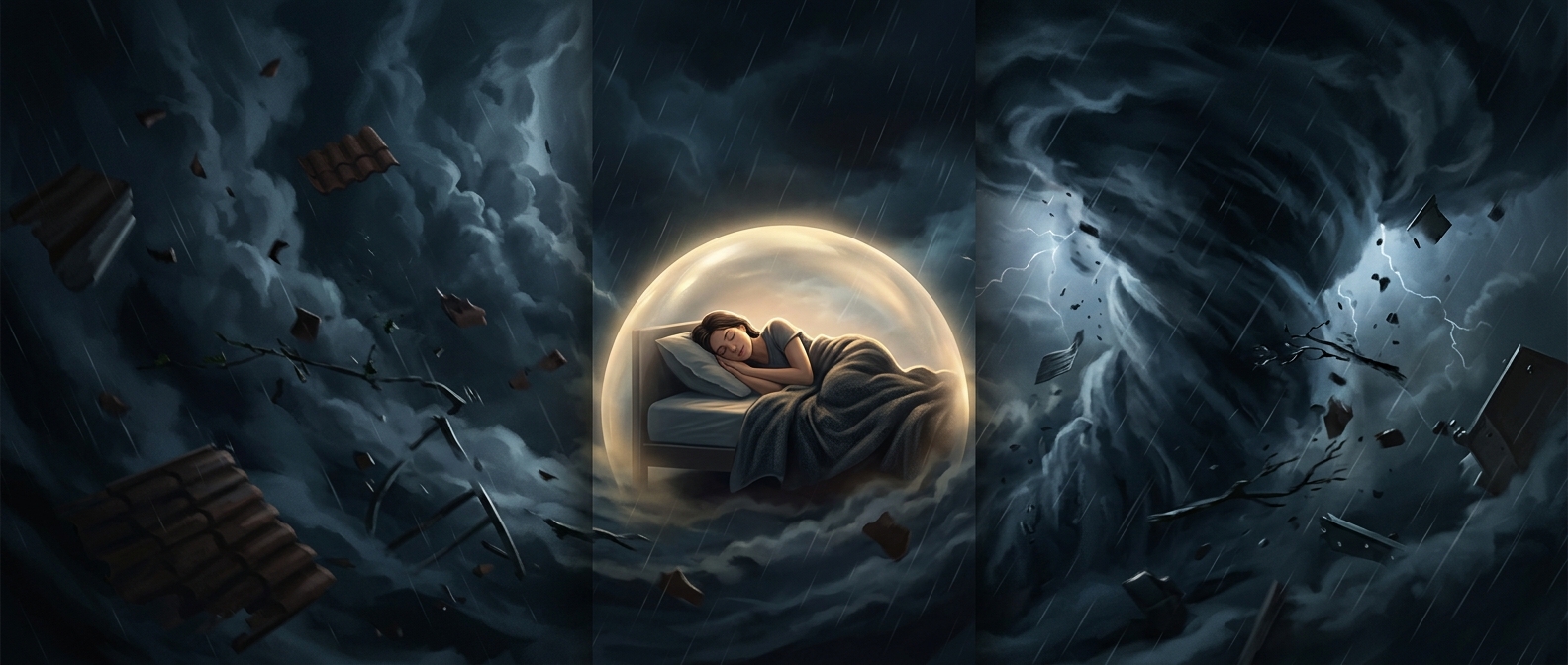
Dreams can stir real emotional responses: fear may leave you tense, while a pleasant dream may lift your mood. Those reactions do not require the dream’s events to have happened. They reflect the brain’s response to the experience it was generating, much as a fictional scene can move someone who knows it is not real.
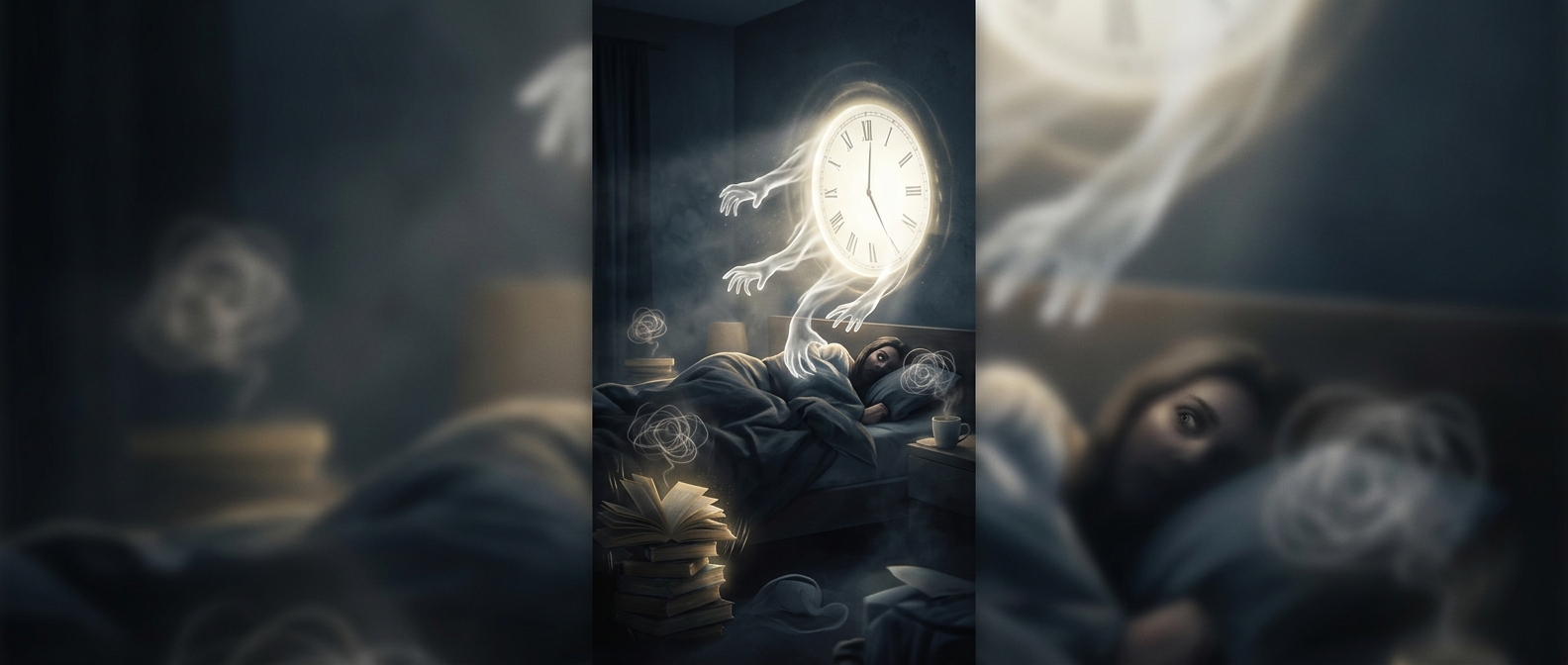
On waking, the remaining mood can influence how you interpret ordinary details. A dark corner may seem unsettling after a frightening dream; a familiar room may feel especially comforting after a warm one. That does not mean the dream is predicting anything or that its images have a fixed meaning. It means the boundary between dreaming and waking includes a brief handoff: the story can disappear before the emotional state it produced has fully passed.