How a short loan becomes a long bill
A payday loan is typically due when the borrower next gets paid. The lender advances cash now in exchange for repayment from that paycheck, often with a fee that looks manageable beside the amount borrowed. The catch is timing: the loan comes due whether or not rent, groceries, and other bills have left enough money to cover it.
When a borrower cannot repay, some lenders allow the loan to be renewed or “rolled over.” The original balance remains outstanding, while another fee buys more time. That fee does not necessarily reduce what the borrower owes. The loan can therefore keep consuming money without getting closer to being paid off.
Why the percentage can look startling
Annual percentage rate, or APR, expresses borrowing costs as an annualized rate so loans with different terms can be compared. A fee charged for only a few weeks may seem small in dollars, but repeating that short-term cost across a year produces a very high APR. The number is a comparison tool—not a prediction that every borrower will keep the loan for a full year.
The practical burden comes from the cycle: each renewal takes cash that could have helped the borrower reach the next payday without borrowing again. If fees accumulate while the principal—the amount originally borrowed—stays unpaid, the borrower may pay more in fees than the loan’s original size.
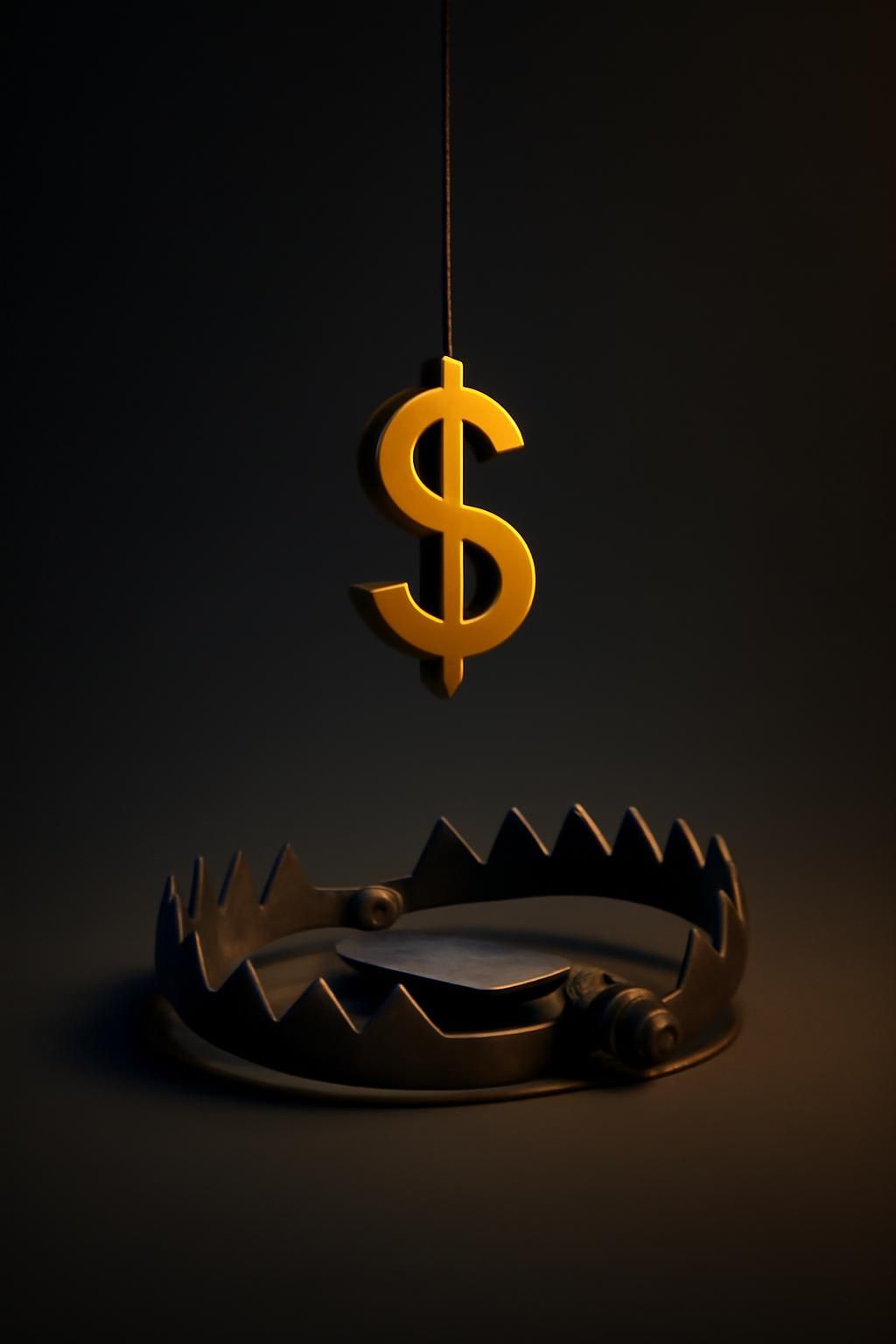
The trap is the gap between paychecks
The product’s appeal and its risk come from the same feature: quick access to cash when a bill cannot wait. But a loan due all at once can deepen the shortage that prompted it. After repayment leaves too little for ordinary expenses, borrowing again may feel like the only way to make it to the next paycheck—turning a brief cash gap into a recurring charge.