Why rabies could look supernatural
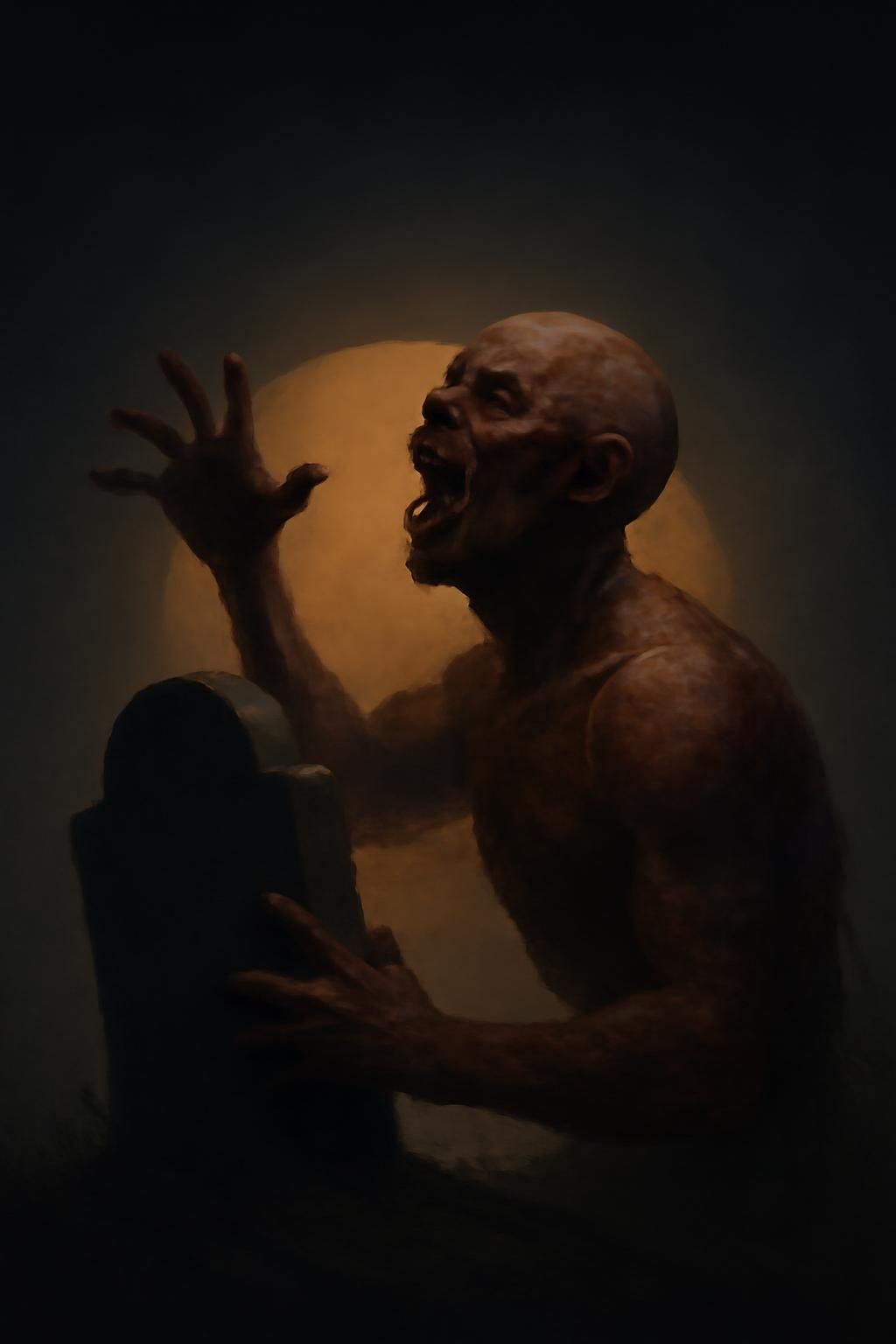
Rabies attacks the nervous system, and its effects can change a person’s behavior as well as bodily functions. In the “furious” form of the disease, agitation, confusion, and heightened reactions may occur. Light sensitivity is possible, too. To people watching without a medical explanation, an abrupt change in someone’s temperament could seem like evidence that the person had become something other than human.
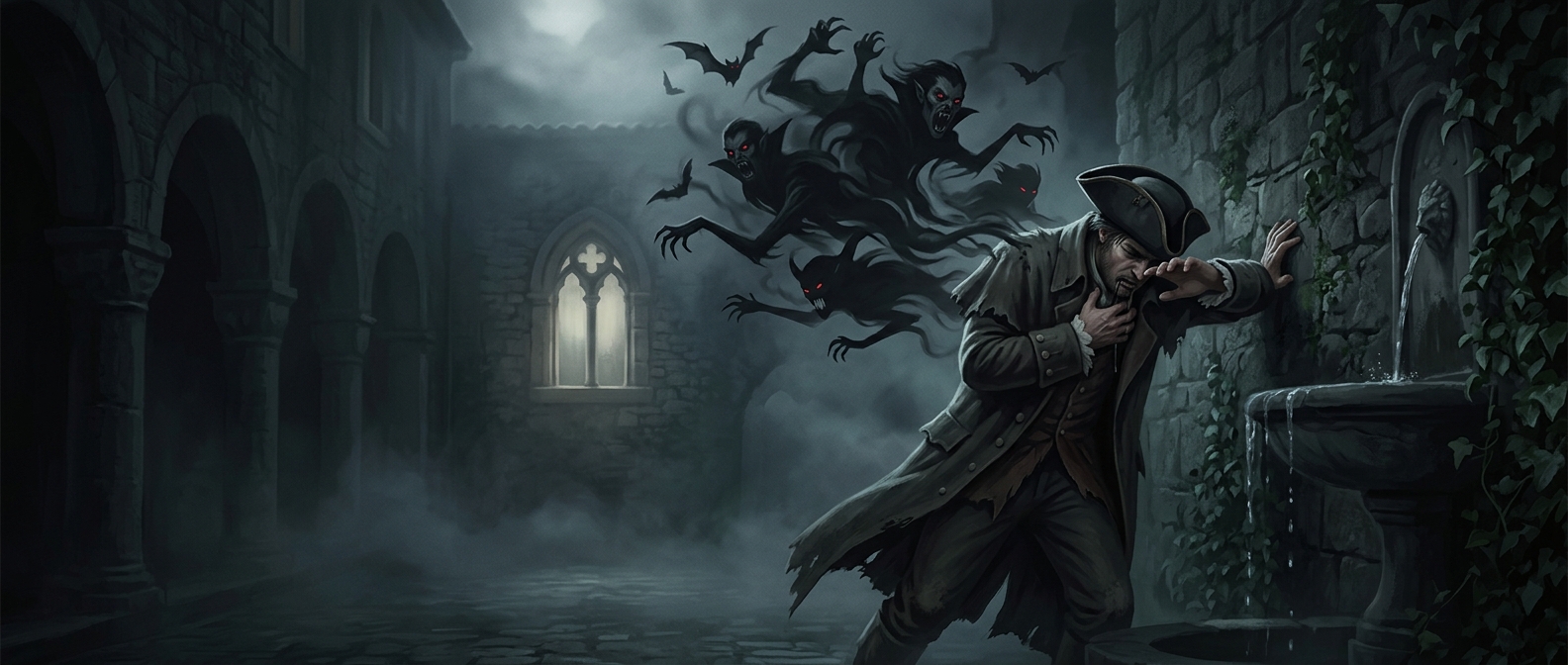
Rabies can also disrupt swallowing. Attempts to drink may provoke painful spasms, a symptom often called hydrophobia—literally, “fear of water,” though the problem is not simply a phobia. This makes the disease especially striking to observers: a thirsty person may be unable to drink, while even the sight or expectation of water can trigger distress.
A resemblance, not a complete origin story
These symptoms overlap with pieces of vampire lore: frightening behavior, aversion to light, and a body that seems to resist ordinary human needs. Rabies also spreads through infected saliva, commonly through bites, giving the illness another unsettling connection to stories about dangerous people who bite others.
But the overlap is partial. Rabies does not explain every familiar vampire trait, and resemblance alone cannot show that the disease created the legends. Folklore develops through many stories and cultural meanings, not necessarily from one medical event. The connection is most useful as a reminder of how a visible, poorly understood illness could make ordinary explanations feel inadequate: someone unable to drink and suddenly acting violently might have seemed uncanny long before anyone could identify a virus as the cause.