Why the vampire looked like a corpse, not a count
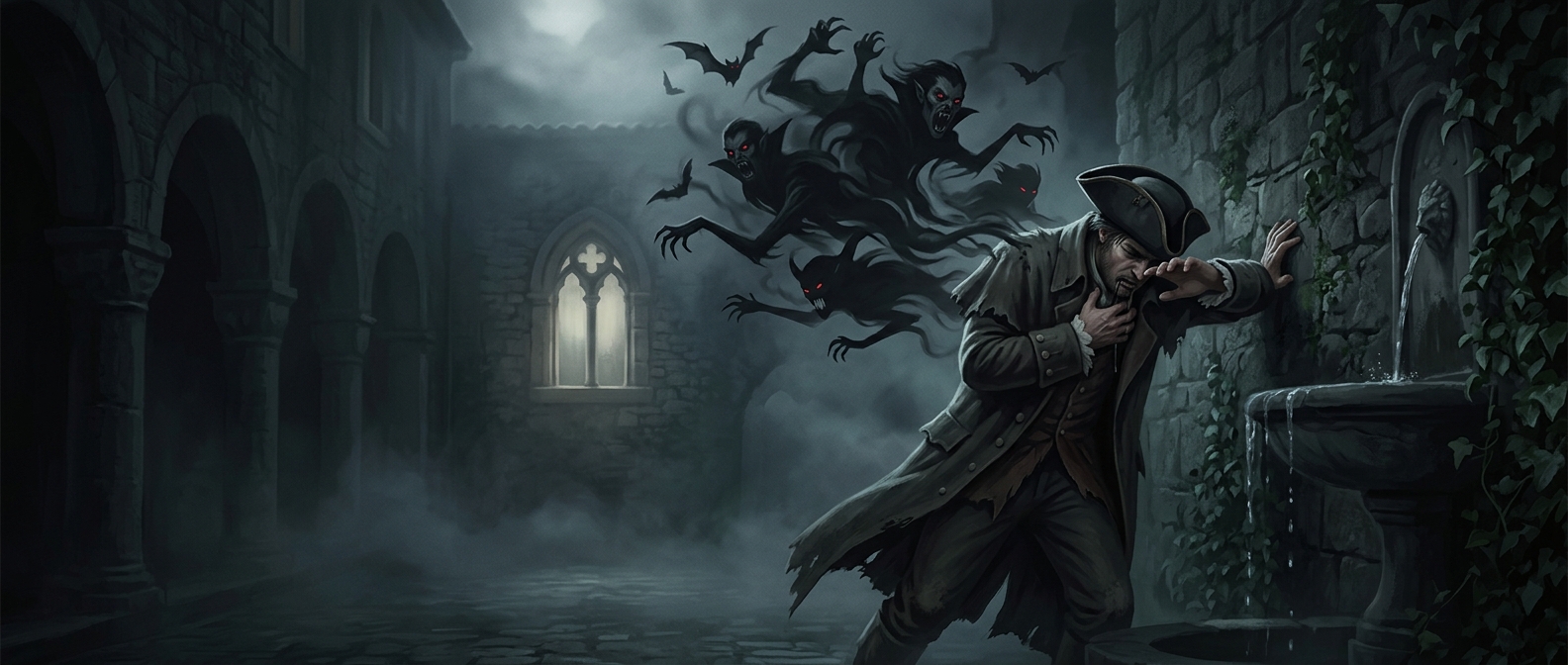
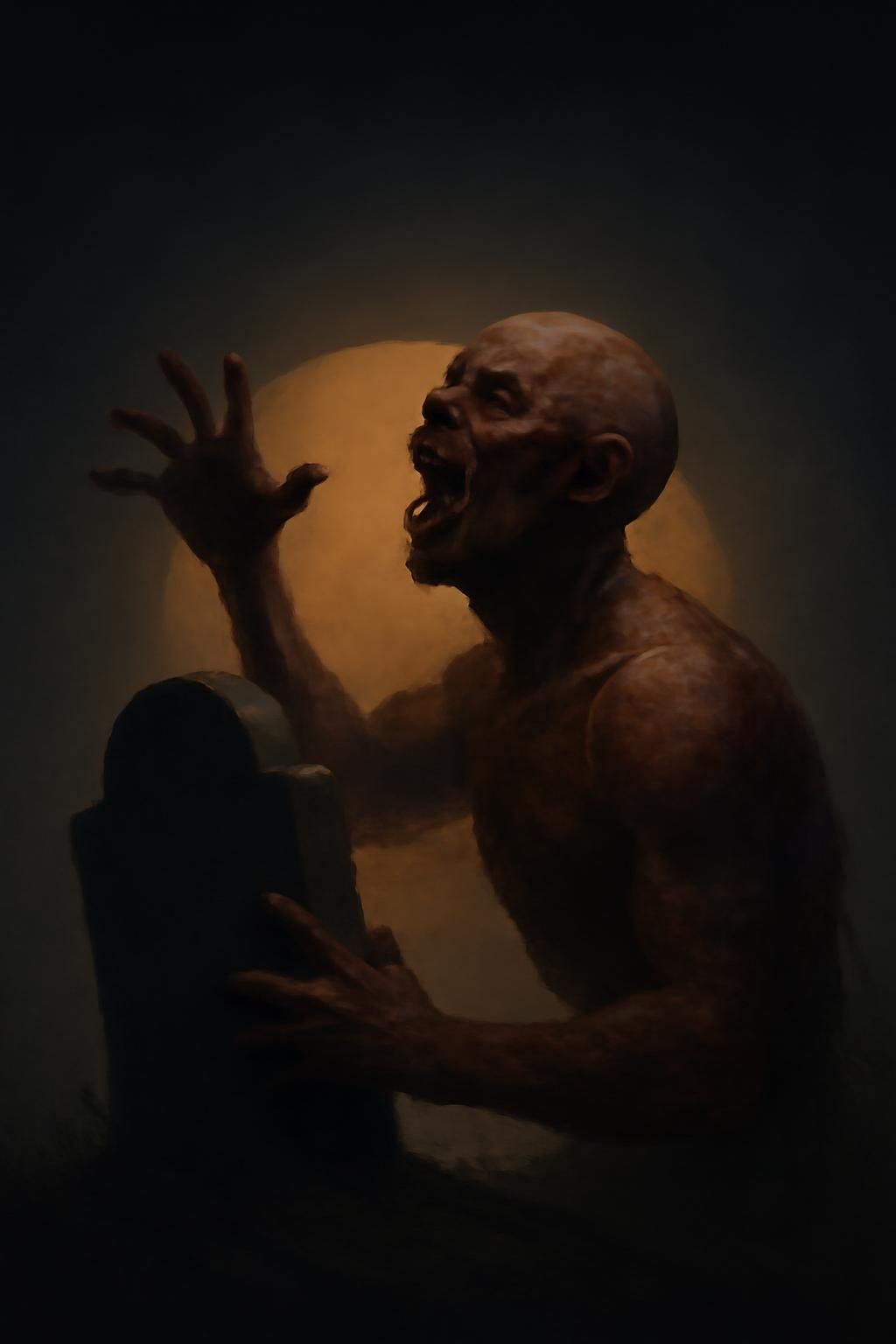
In parts of southeastern Europe, the vampire was imagined not as an elegant outsider but as a dead person who had returned to trouble the living. The creature belonged to the same village as its victims, making a suspected haunting a problem of family, burial, and neighborhood—not a distant supernatural adventure.
That image could draw force from what people saw when a grave was opened. A body does not simply vanish underground: decomposition can swell it, darken the skin, and bring blood-tinged fluid to the mouth or nose. To people without a modern account of those changes, a corpse that looked newly fed could seem to confirm that it had been active after burial.
Rituals aimed to stop the return
Beliefs and remedies varied from place to place, but some communities treated a suspected vampire as a threat that had to be contained. Staking or decapitation was meant to prevent the corpse from rising again. Other customs offered a less violent distraction: scattering poppy seeds, for example, on the expectation that the vampire would stop to count them, keeping it occupied until daylight.
These actions made practical sense within the belief system. If a death, illness, or run of misfortune seemed to continue after burial, the suspected dead person became a target that could be confronted. The rituals offered villagers something concrete to do when the cause of their suffering was frightening and hard to explain.
A different kind of horror
The later screen vampire often turns danger into glamour: immortality, seduction, and aristocratic distance. The village revenant was unsettling for the opposite reason. It was a familiar dead neighbor imagined as physically present, and the measures taken against it brought supernatural fear directly into the graveyard.