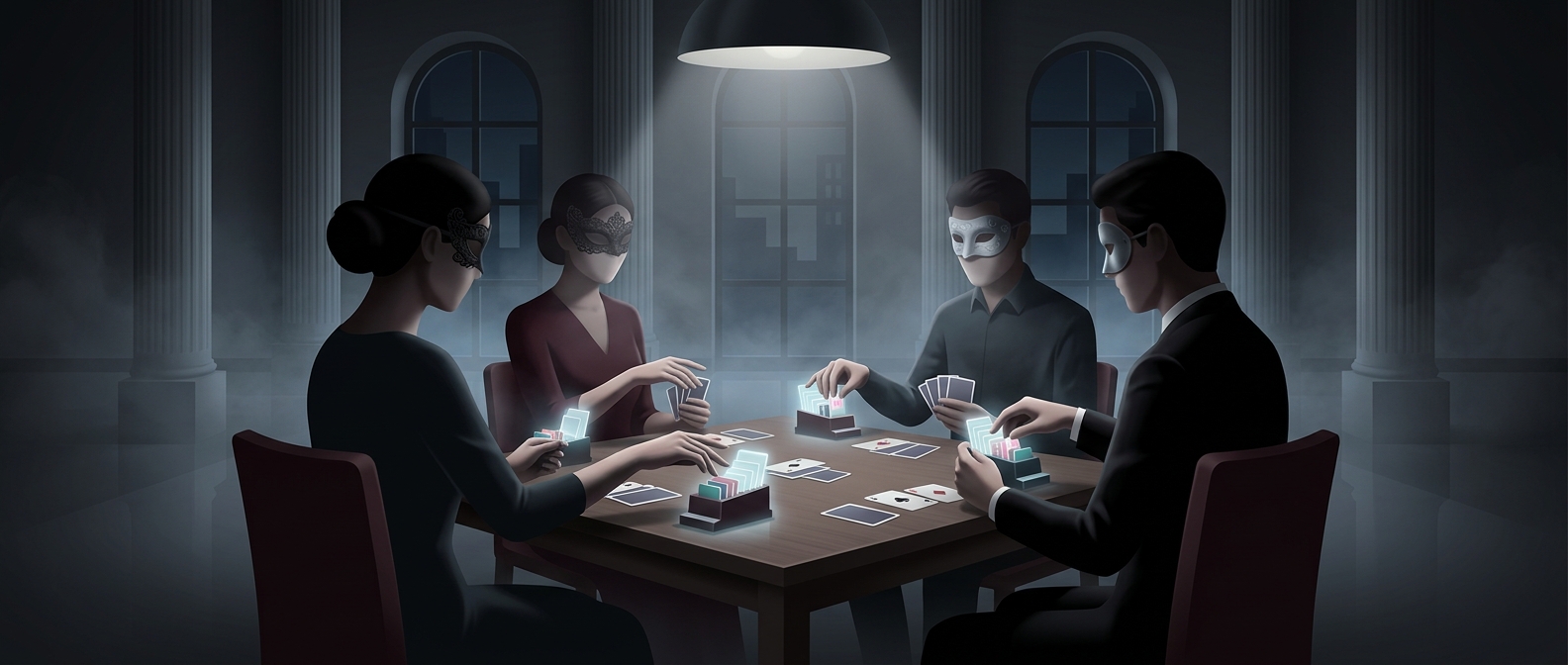
How a translated rule creates two legal-looking moves
A board-game rule is a small piece of software written in ordinary language: it tells players what actions are allowed and what happens next. Translation can disturb that precision. A word that means “may” in one language might be rendered as “can,” for example, leaving players unsure whether an action is optional or simply possible. A pronoun can also make it unclear which piece, player, or object a sentence refers to.
That uncertainty matters because rules often depend on order and scope. Does a player take a bonus before resolving an effect, or afterward? Does “each” apply to every piece or every player? If the wording supports two readings, each player may be applying the same sentence consistently—and still reach opposite outcomes.
Why players search old forum posts
When the rulebook does not settle the question, players look for clues elsewhere: another language edition, an official clarification, or a discussion from someone who encountered the same situation. A forum post can be useful if it identifies a relevant example or points to a publisher’s ruling. But an argument repeated online is not automatically an authoritative rule; it may reflect one group’s house rule, an outdated edition, or a translation different from the one on the table.
The practical task is to establish which source governs the game being played. In a casual match, players can agree on an interpretation and continue. In a tournament, organizers may need a consistent ruling so the same wording does not produce different results at different tables.
The lasting fix is clearer wording
A publisher can reduce disputes by defining key terms, using examples, and checking that translated versions preserve the same sequence and conditions—not merely the same general meaning. Until then, the smallest ambiguity can carry real strategic weight: one reading may let a player act now, while another makes that move illegal. That is how a friendly turn can become a miniature trial over a single sentence.