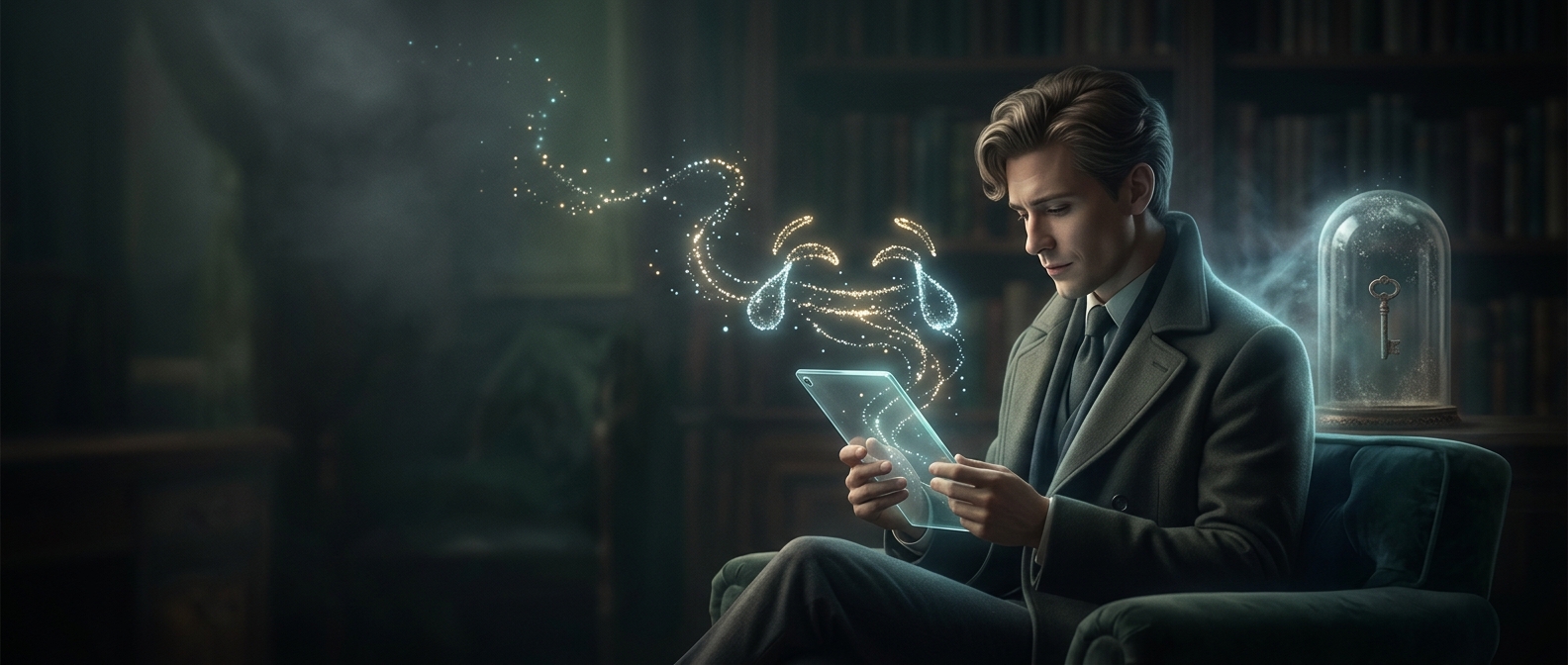
How 😂 Became a Generational Tell
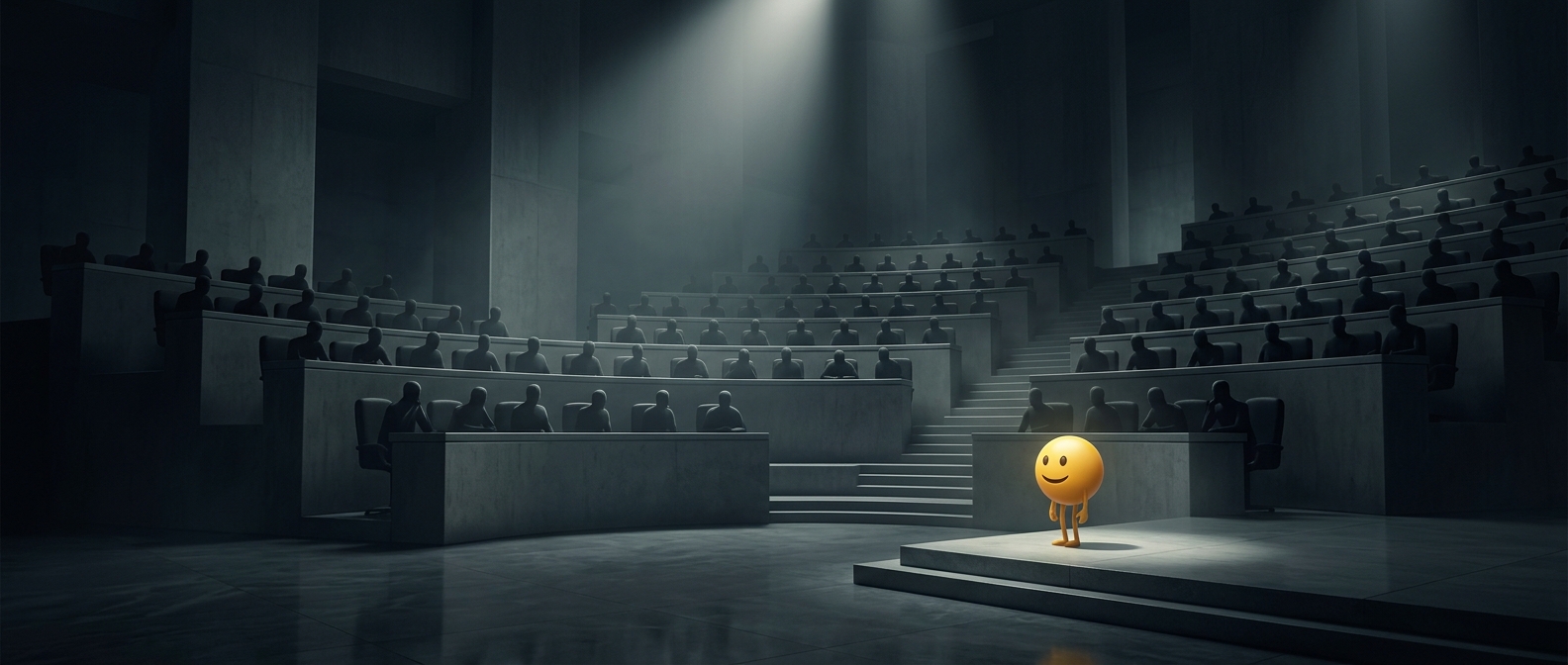
An emoji can change meaning without changing shape. 😂 still depicts laughter, but years of use in family group chats, workplace messages, and everyday social posts have made it feel predictable to some younger users. When a once-current symbol becomes strongly associated with older people, using it can seem less like laughing and more like borrowing someone else’s voice.
That is a matter of social tone, not a fixed rule. The same face can read as sincere, exaggerated, or awkward depending on who sends it and where. For younger users who grew up seeing it everywhere, its familiarity may be exactly what makes it feel dated.
Why a Skull Can Mean “That’s Hilarious”
💀 offers a different kind of joke: it turns laughter into a comic image of being “dead”—overwhelmed by something funny. The exaggeration makes the reaction feel more dramatic and, in some conversations, more knowingly ironic than a smiling face.
That does not mean the skull has one universal translation. In a message, its meaning comes from context: a friend’s punchline may make the joke clear, while the same symbol in a serious conversation could be confusing. People also mix it with other emojis or words to steer the tone.
Emoji Choices Keep Moving
These shifts happen because emojis are social signals as well as pictures. A symbol gathers associations from the people who use it, and those associations can change as new groups adopt different ways to show amusement. The practical result is that a familiar laughing face may sound less natural to one person than a skull—and the skull may leave someone else wondering whether the message is funny or alarming.