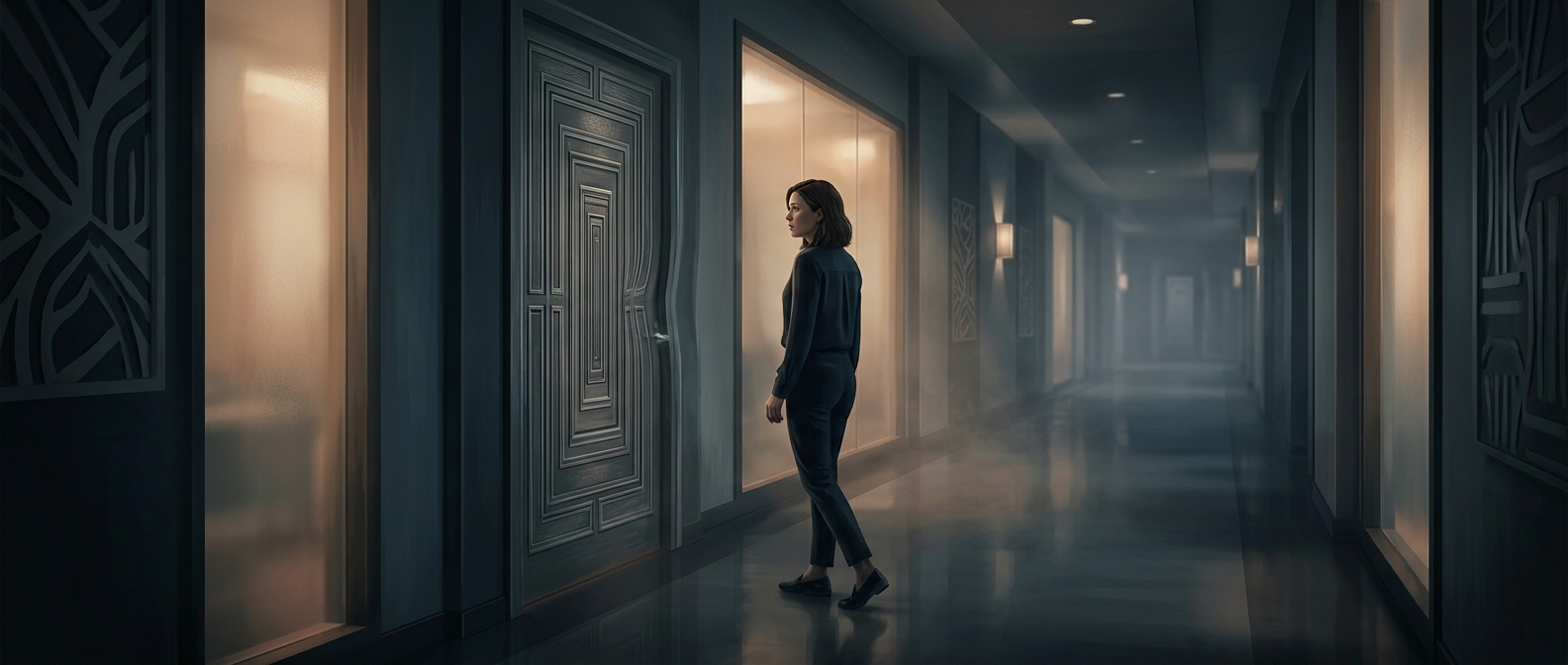
Why a sharp reply is hard to find in real time
An argument is a fast, shifting task. You have to listen for what the other person means, decide whether to interrupt, monitor your tone, and choose words that fit the moment. Those demands compete for working memory—the limited mental space used to hold and manipulate information briefly. A clever response may be possible, but there is less room to shape it while all those jobs are happening at once.
Strong emotion can make the search harder. When you feel threatened, embarrassed, or angry, attention may narrow toward the immediate social danger: What did they mean? How do I respond without making this worse? That focus can help you react quickly, but it can also crowd out the slower process of comparing possible replies and refining one.
Why the replay sounds better
After the exchange, the pressure to respond disappears. You can revisit one sentence at a time, try out alternatives, and discard awkward phrasing without anyone watching. The mind also has new information: you know how the conversation ended and what you wish you had made clear. That makes it easier to build a response tailored to the moment, even though it was not available in that finished form while the argument was unfolding.
This is a kind of mental editing, not proof that the later line would have worked. A comeback that sounds decisive in a private replay might have escalated the disagreement, landed badly, or been interrupted. In real conversation, timing and the other person’s reaction matter as much as wording.
What the delayed reply can tell you
The polished version can still be useful. It may reveal the point you struggled to express—perhaps a boundary, a correction, or a question you wanted answered. Instead of treating the missed line as a lost contest, you can carry that point into a calmer conversation. The useful part of a late comeback is often not its sting, but the thought it finally makes clear.