A radio name that travels with the mission
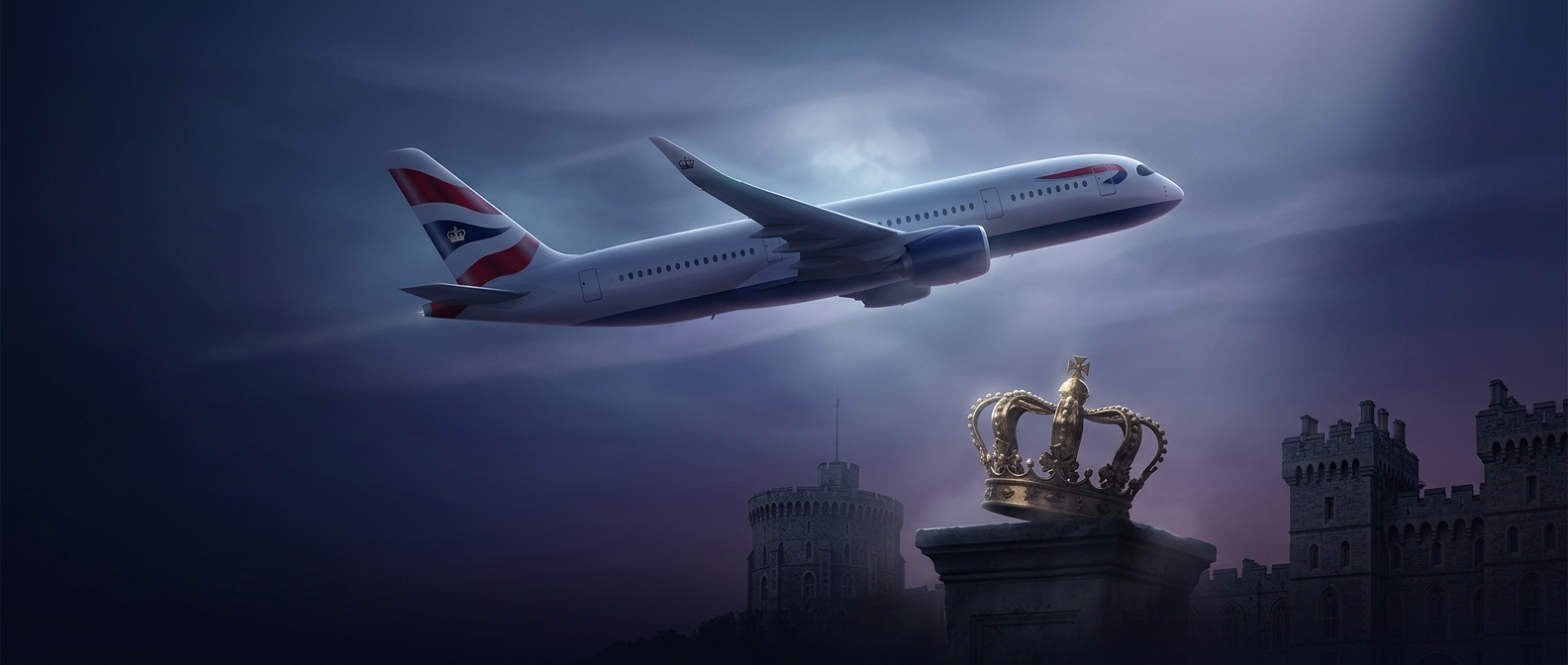
A call sign is the name pilots and air-traffic controllers use to identify a flight over the radio. Instead of relying only on an aircraft’s registration number, controllers can address the crew by a short, recognizable word. For a British flight carrying the monarch, that word is “SOVEREIGN.”
The practical value is clarity. A controller may be handling several aircraft and instructions at once; a distinctive call sign helps identify which crew should respond. The pilots use it when making radio calls, and controllers use it when issuing clearances or other instructions.
What the word does—and does not do
The call sign tells air-traffic services who is aboard in broad operational terms. That can help the people coordinating the flight recognize its significance and communicate about it consistently. It is not a different kind of aircraft or a separate radio system: the crew still uses ordinary aviation radio procedures.
Nor does the word itself grant permission to ignore instructions or guarantee a particular route. The flight remains subject to air-traffic control and the conditions of the journey. The royal distinction is carried in the radio identification, making an otherwise routine exchange unmistakable: when controllers hear “SOVEREIGN,” they know the flight is carrying the monarch.