Two roads, two different jobs
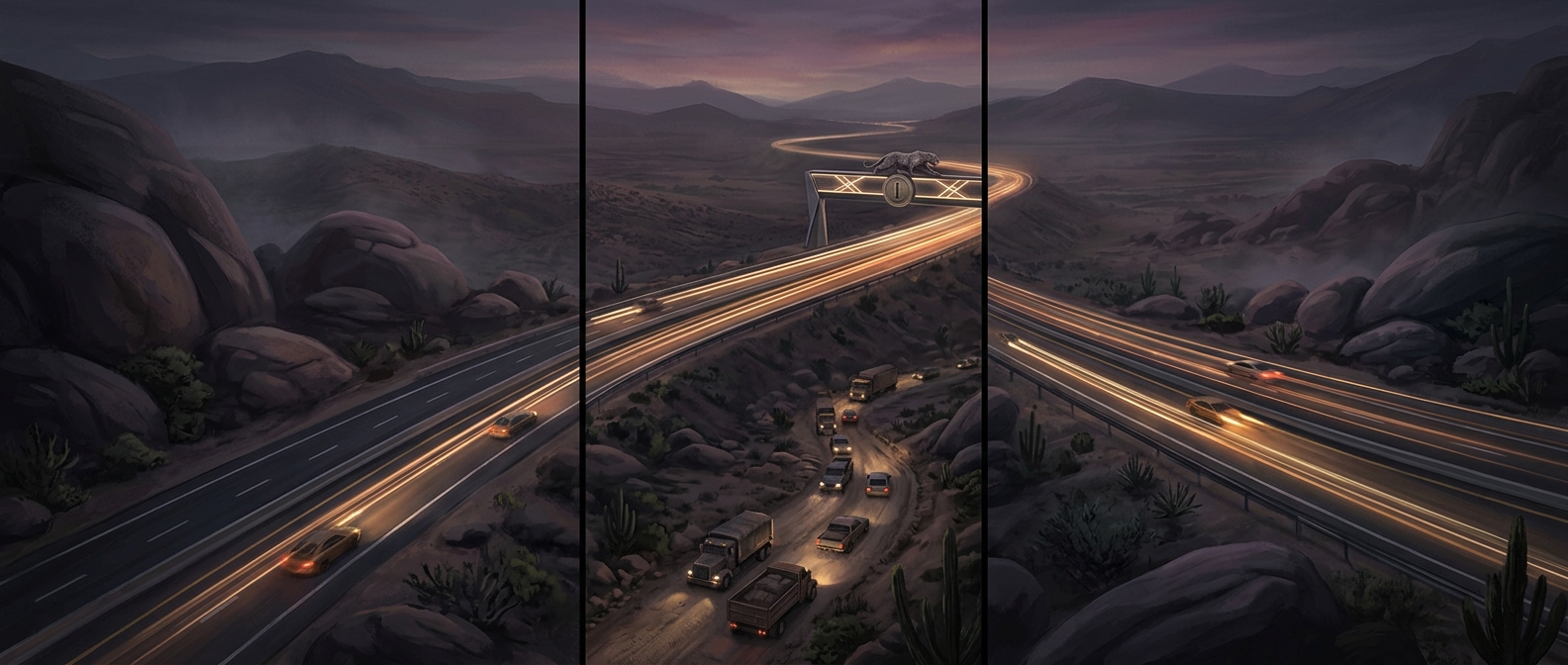
In Mexico, a toll highway is often called a cuota; the alternative is a libre, or free road. The difference is not simply that one has a tollbooth. The routes are often built for different purposes: a cuota is designed to carry traffic between places efficiently, while a libre also serves communities along the way.
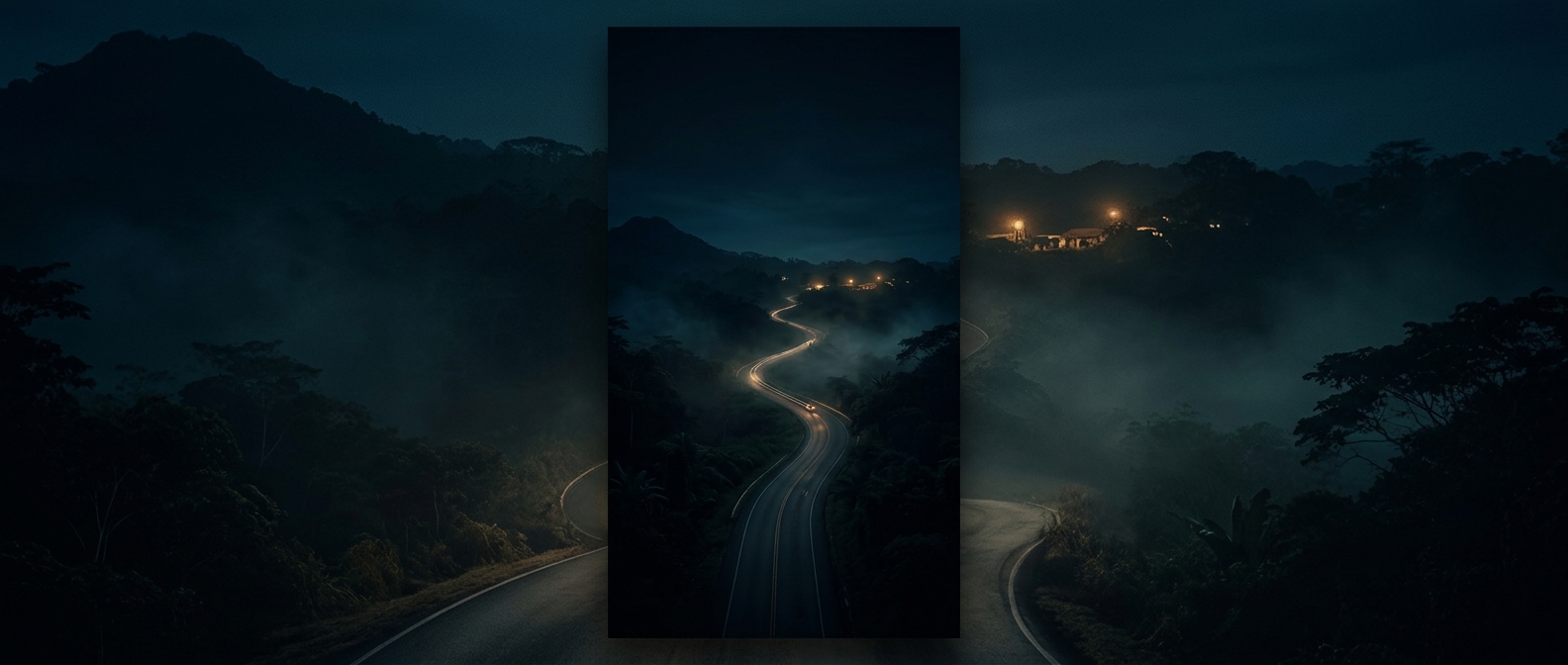
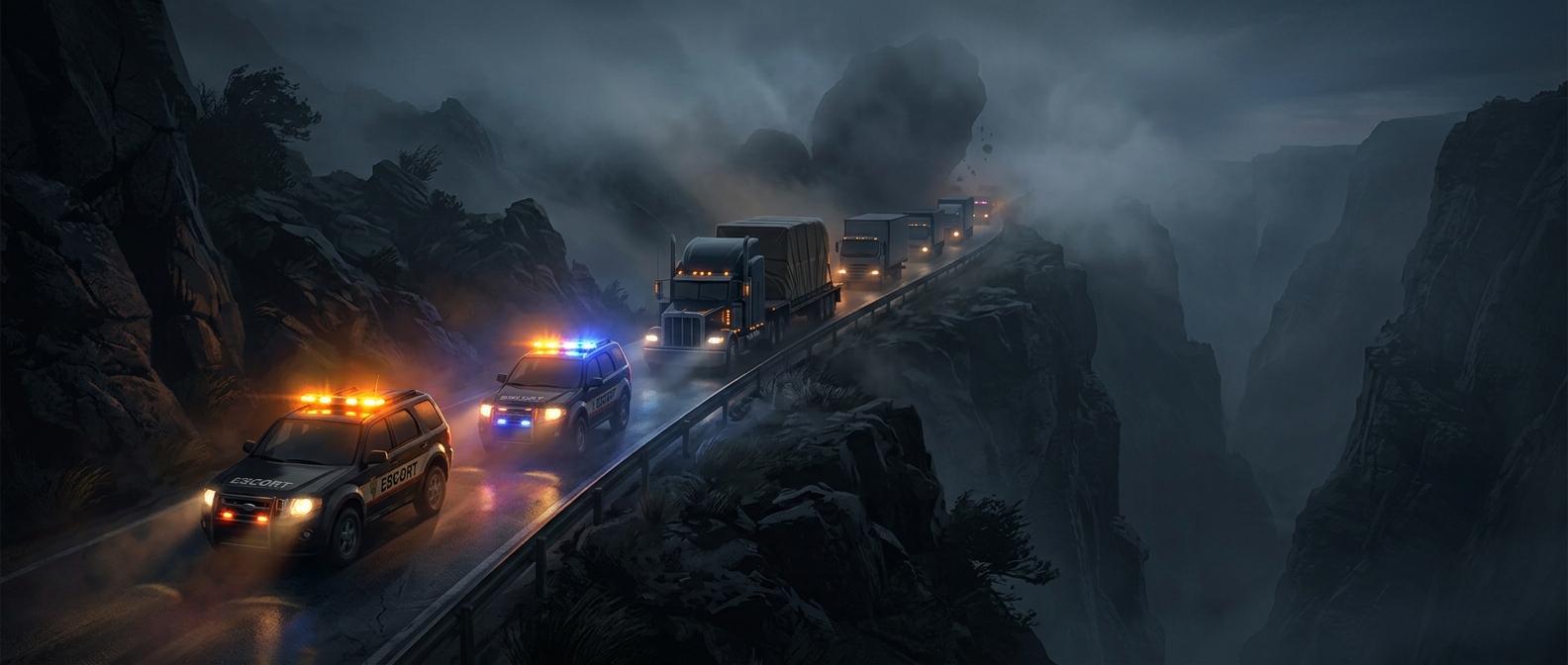
That distinction becomes especially visible in mountainous terrain. A highway meant for through-travel can use long curves, bridges, and tunnels to keep its route moving across difficult ground. The older or more locally connected road may follow the landscape more closely, winding through settlements rather than bypassing them.
The minutes are spent at the edges
A free route can lose time in small increments: slowing for speed bumps, passing through village streets, yielding to local traffic, and navigating tighter bends. None of these delays needs to be dramatic on its own. Repeated over a long journey, they can add up to hours.
Toll roads reduce many of those interruptions by limiting access to designated entrances and exits. That makes the trip more predictable, not just potentially faster. The tradeoff is that drivers pay to use the route, and a more direct road through mountains requires substantial infrastructure to cross valleys and cut through or around steep slopes.
Paying for distance, or taking the local route
The free road is not merely a slower version of the toll highway: it may be the route that reaches towns the newer road bypasses. For a traveler with time to spare—or a destination along the way—it can be the more useful choice. For someone crossing a mountain region, the cuota can turn a stop-and-go journey into a continuous one. The toll buys more than pavement: it buys a route designed to spend less time negotiating the places and terrain between destinations.