When the Road Beyond the Headlights Disappears
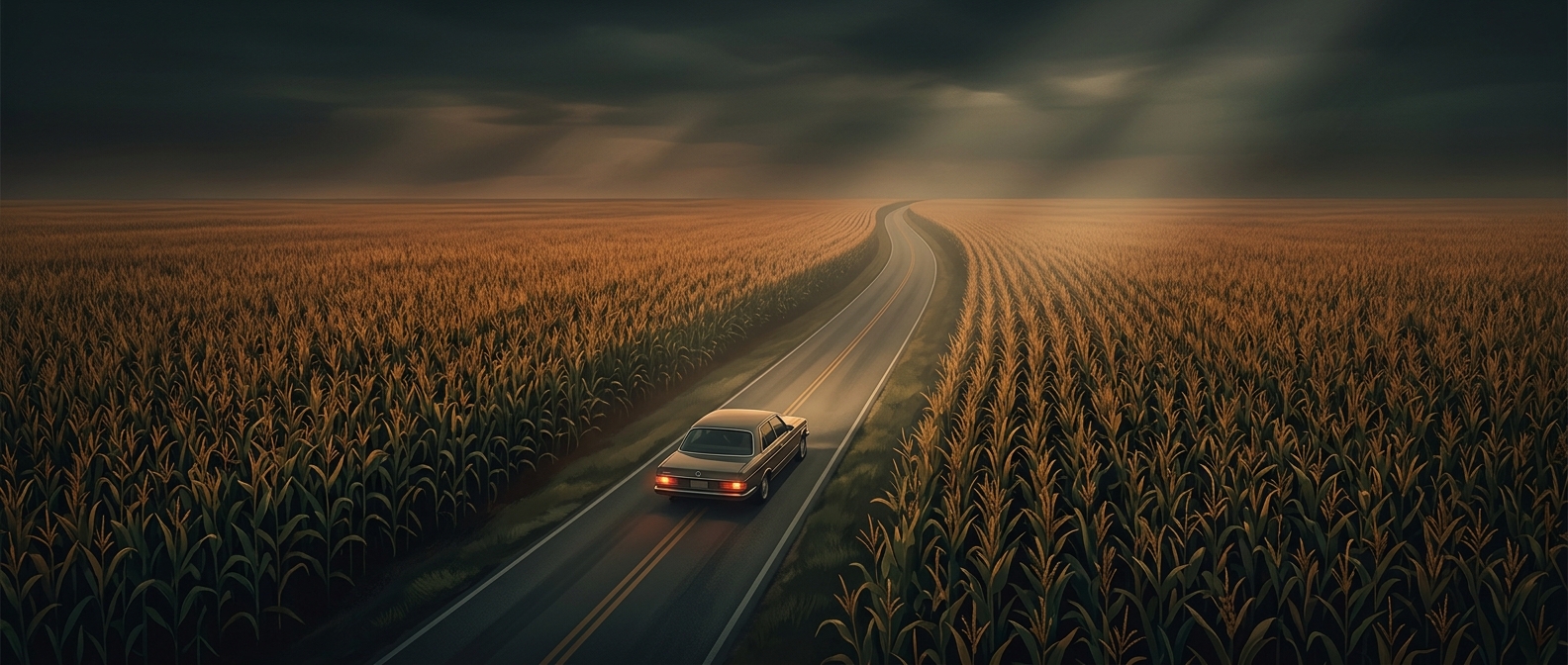
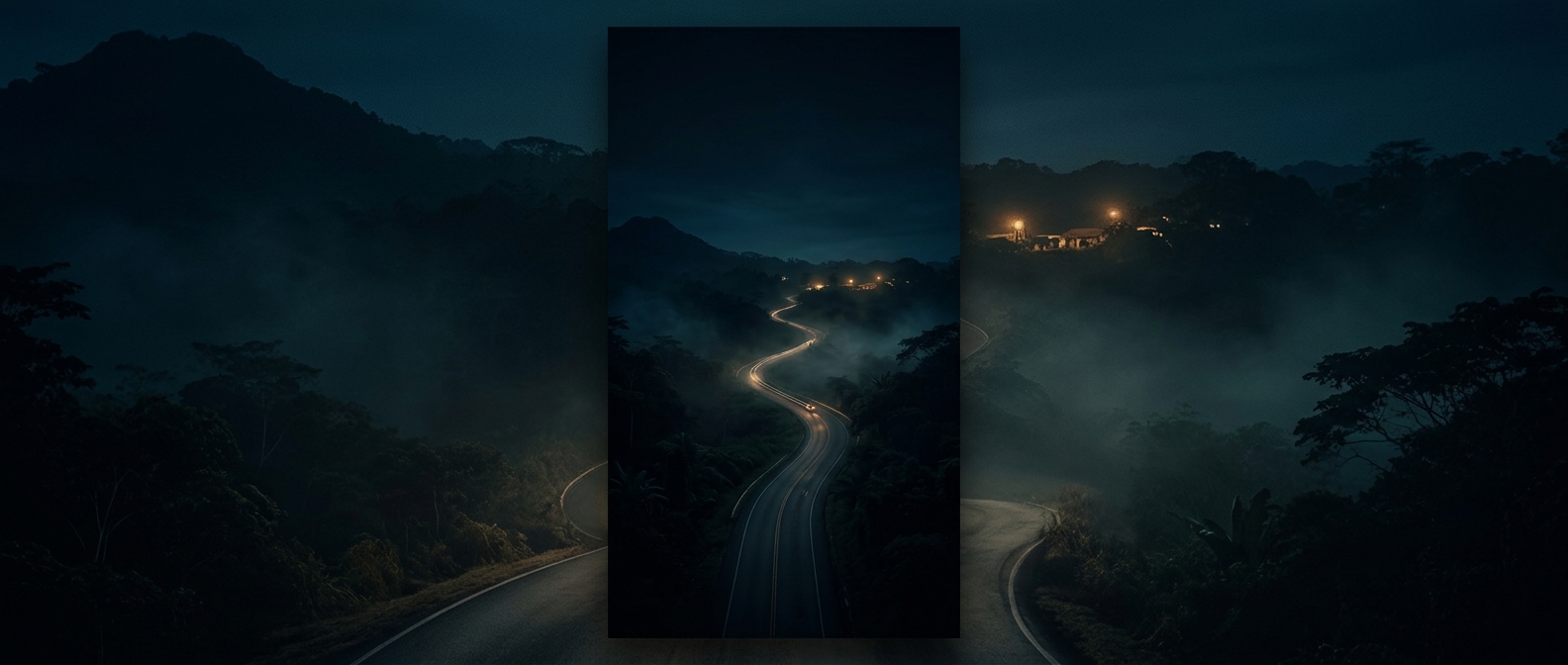
On many rural highways in Central America, there is no continuous row of lamps to reveal the road ahead. A driver instead sees what the vehicle’s headlights reach: a limited patch of pavement, with the surrounding roadside and much of the next bend still dark. The change from a lit town to an unlit stretch can make an otherwise familiar route feel very different after sunset.
Hazards Can Appear Late
A pothole may be difficult to distinguish until it is close enough to affect the car. Cattle near the road can blend into the darkness, while a sharp curve may not become clear until the headlights sweep across it. On a straight, empty-looking stretch, the road can seem safer than it is simply because hazards outside that narrow beam are hard to see.
That makes speed and visibility work together: the faster a vehicle travels, the less time its driver has to react to something revealed only at the edge of the headlights. A curve also changes what the beams illuminate, so a driver cannot always see the full road ahead at once.
The Nighttime Driving Tradeoff
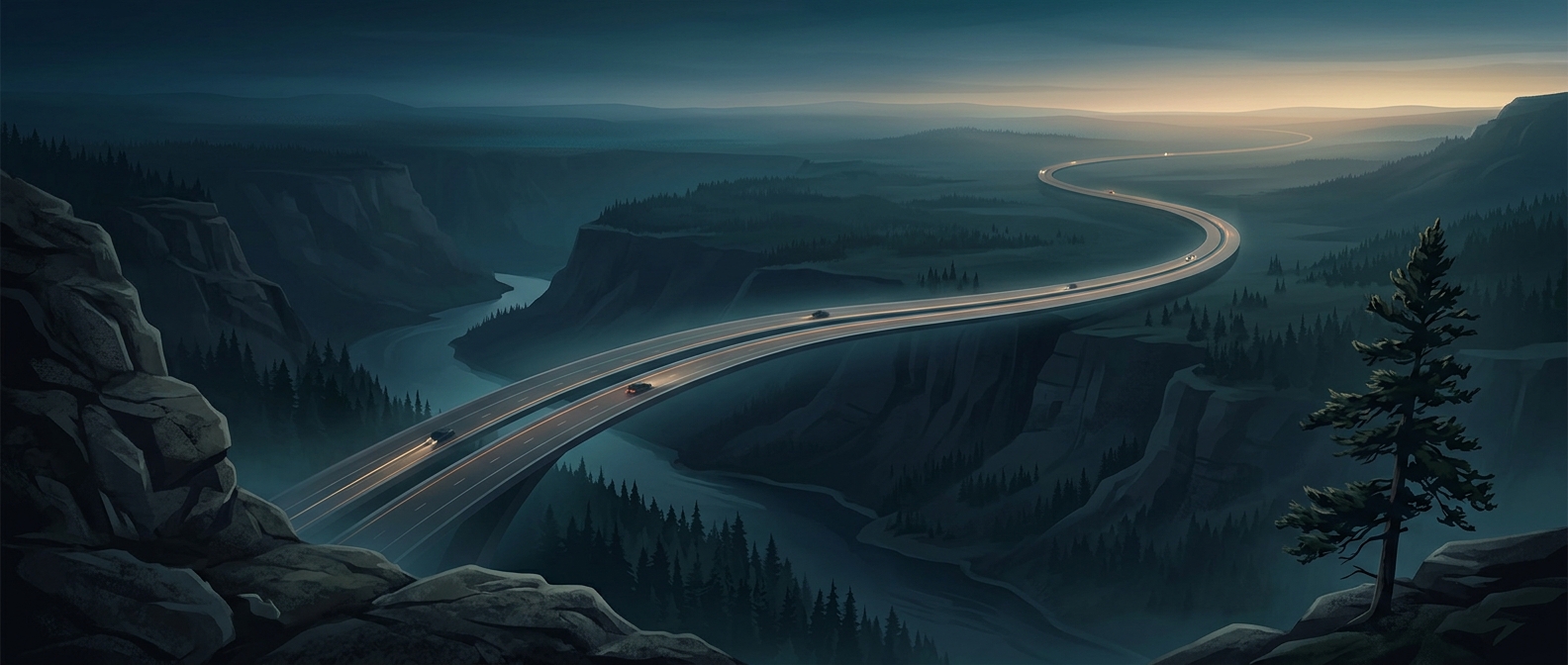
Streetlights require equipment, power, and ongoing maintenance along the route; on long rural roads, providing continuous illumination is a different challenge from lighting a town center. Where lamps are absent, drivers must rely more heavily on their own lights and judgment, and oncoming traffic can make bright headlights unusable for a time.
The practical result is that a dark highway is not merely a daytime road with fewer people on it. The usable view of the road shrinks to whatever the headlights reveal, making bends, damaged pavement, and animals part of the driving conditions rather than surprises to dismiss.