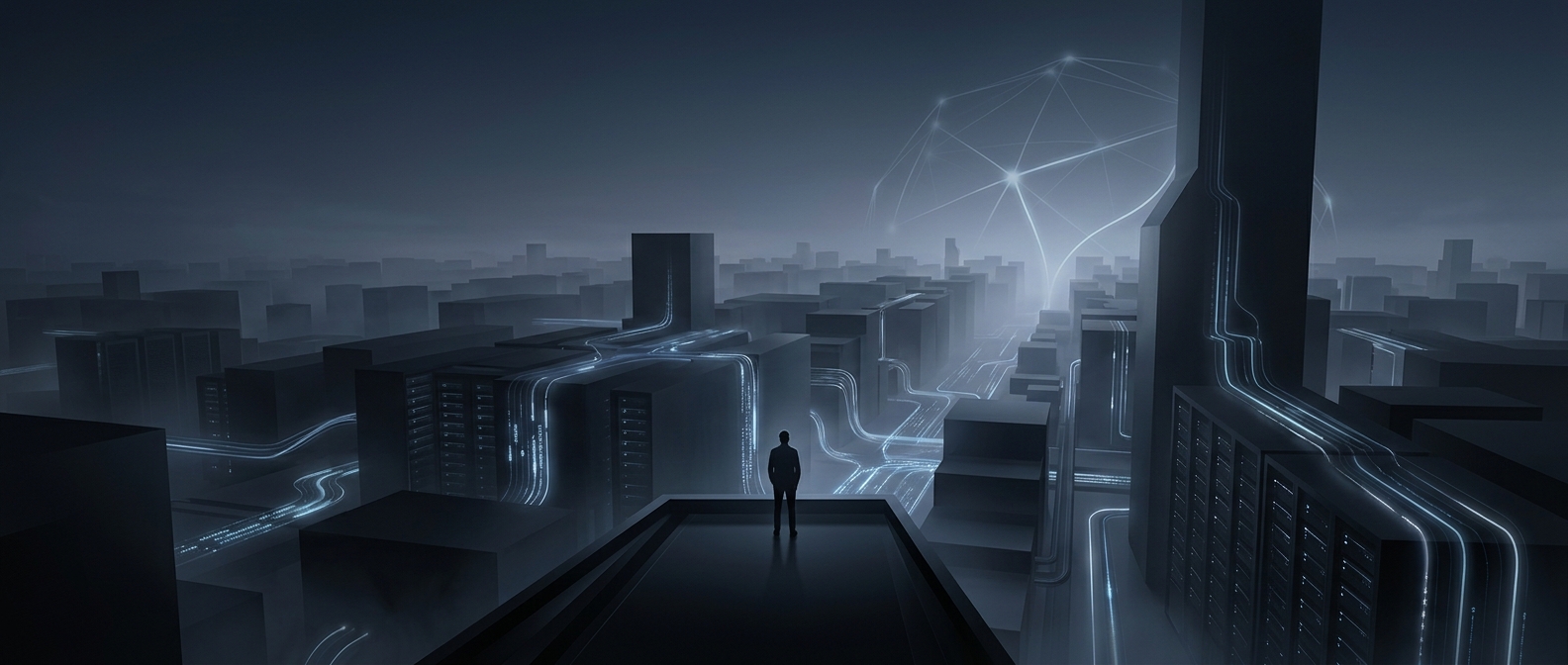
Why a data center needs so much floor space
A data center is not simply a warehouse full of hard drives. Its racks hold servers that store files, run websites and apps, and perform calculations for customers. Each rack also needs room for cables, airflow, maintenance, and safe movement of equipment. Multiply that arrangement across thousands of racks and the building’s footprint grows quickly.
The machines are only part of the facility. Electrical equipment distributes power and helps keep it steady; backup systems can take over if the normal supply fails. Cooling equipment removes the heat produced by working servers. These supporting systems occupy substantial space because a densely packed room of computers generates far more heat and draws far more electricity than an ordinary office.
One service, many buildings
Large operators often divide computing capacity among multiple halls or buildings rather than relying on one enormous room. This makes it possible to add capacity in stages and to keep services running if equipment in one area needs attention. Networks connect the halls, while backup power and cooling are designed to protect the computers during interruptions or maintenance.
The result is infrastructure whose scale is easy to miss when using a phone or laptop: a digital service may depend on rows of physical machines and the systems that keep them powered, connected, and cool. The cloud has a very tangible footprint—sometimes large enough to stretch across a campus of windowless buildings.