What the “Cloud” Hides
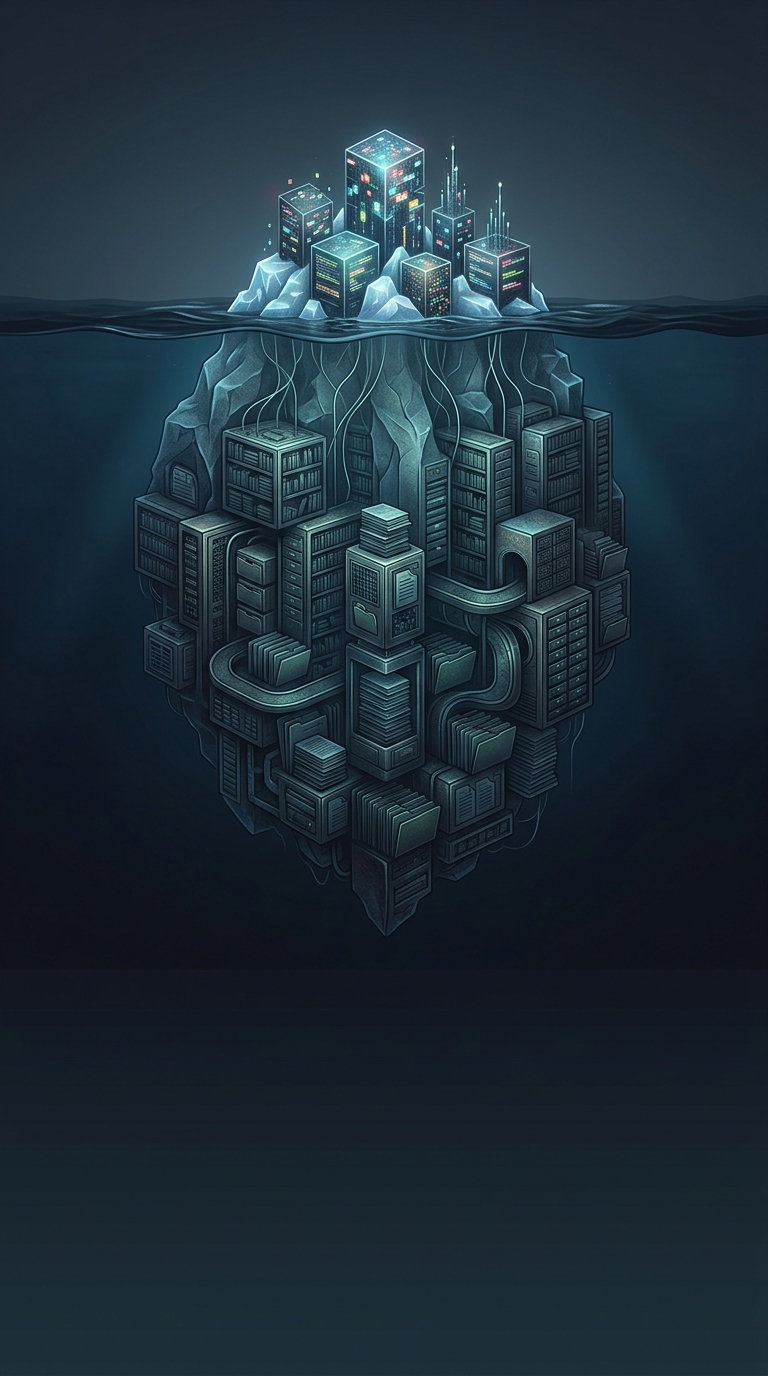
The cloud is not a single place or a special kind of storage. It is a way of using computing resources—such as storage space and processing power—on computers run by a service provider and reached over a network. The metaphor makes a complicated system feel weightless and remote; the machinery itself is very much on the ground.
A file saved to a cloud service may be copied across servers in data centers, large buildings packed with computers, cooling equipment, and backup power. Keeping systems in multiple locations can help a provider keep a service running if one facility has a problem. When you open the file, your request travels through the internet to the relevant computers, and the data travels back.
The Seafloor Is Part of the Route
For long-distance traffic between continents, much of that journey runs through fiber-optic cables laid across the ocean floor. Inside the cables, pulses of light carry data. They come ashore at landing stations and connect to terrestrial networks that carry traffic onward to data centers and users.
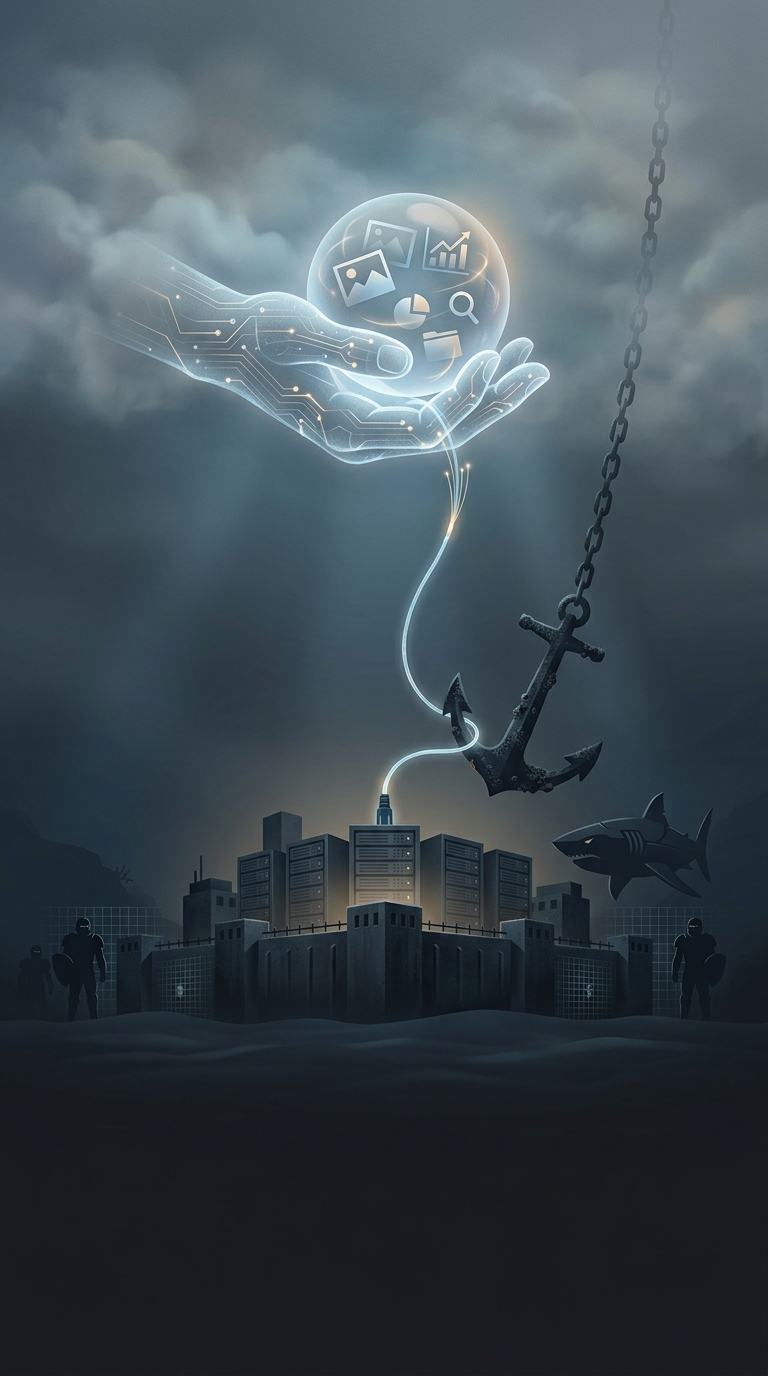
These cables are engineered for harsh conditions, but they are not invulnerable. Near shore, where fishing and ship activity are common, cables may be buried or otherwise protected. Farther offshore, they can lie exposed on the seabed. A trawler’s anchor or fishing gear can snag one; the equipment need not reach the cable directly if a dragged anchor catches it.
Why One Break Can Matter
Networks often have alternate routes, so a single break does not automatically disconnect an entire region. Traffic can be redirected onto other cables, but those routes may have less capacity or take longer paths. If a damaged cable carries a large share of traffic to a particular place, users may notice slower connections or interruptions while operators reroute data and repair the line.
Repair crews locate the break, bring the cable aboard a specialized vessel, splice the fibers, and return the repaired section to the seabed. The cloud’s apparent distance is therefore partly an illusion: a file may be stored far away, but its availability can still depend on a physical strand of glass beneath the sea.