Why a Solo Game May Still Need a Server
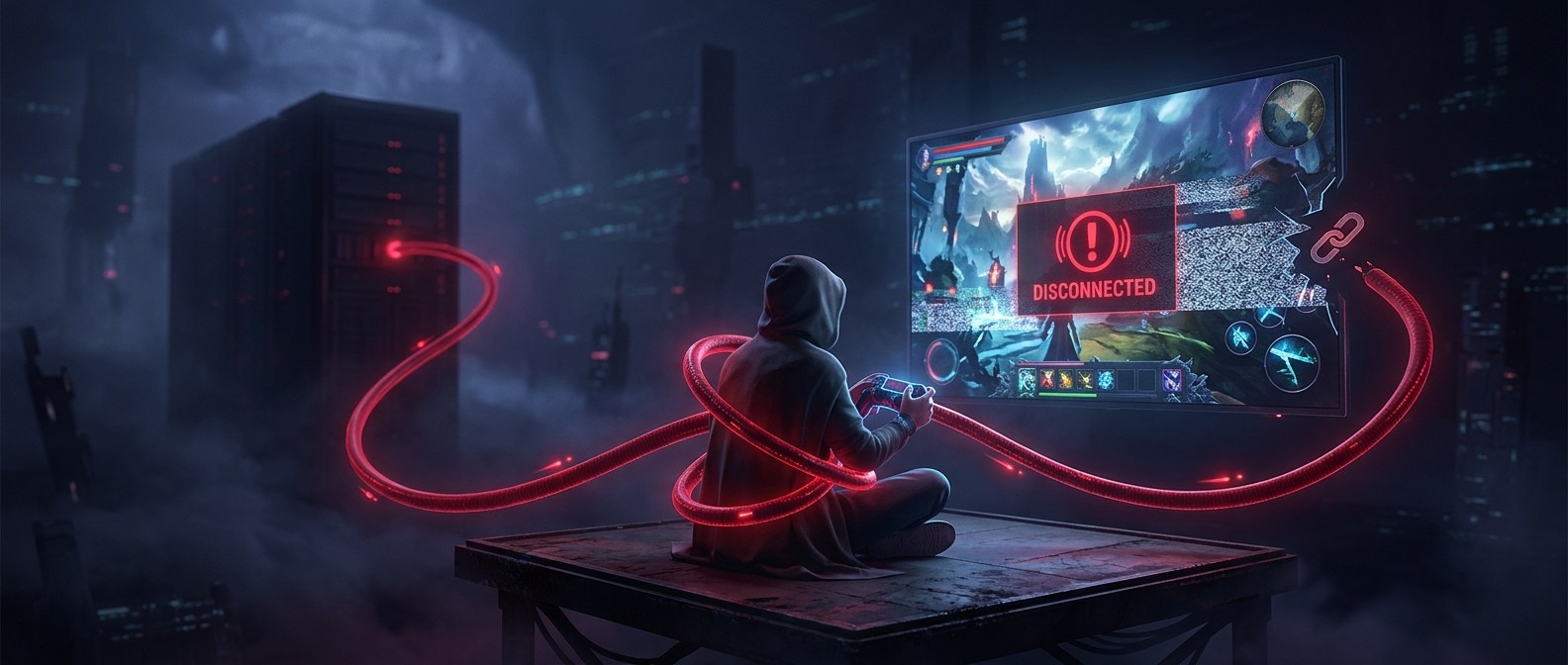
“Single-player” describes who you play with, not necessarily where the game’s systems run. A campaign may be designed for one person while still relying on a publisher’s server to confirm that the copy is authorized, retrieve account data, or provide features tied to an online service. Some games also run parts of their logic or world state remotely.
When the game starts—or periodically during play—it may ask a server to verify a connection or refresh information. If that check fails, the game can treat the session as invalid and send the player back to a menu, even though no opponent or teammate is involved. The outage may be brief; the interruption can still break a long stretch of play.
The Convenience Comes With a Dependency
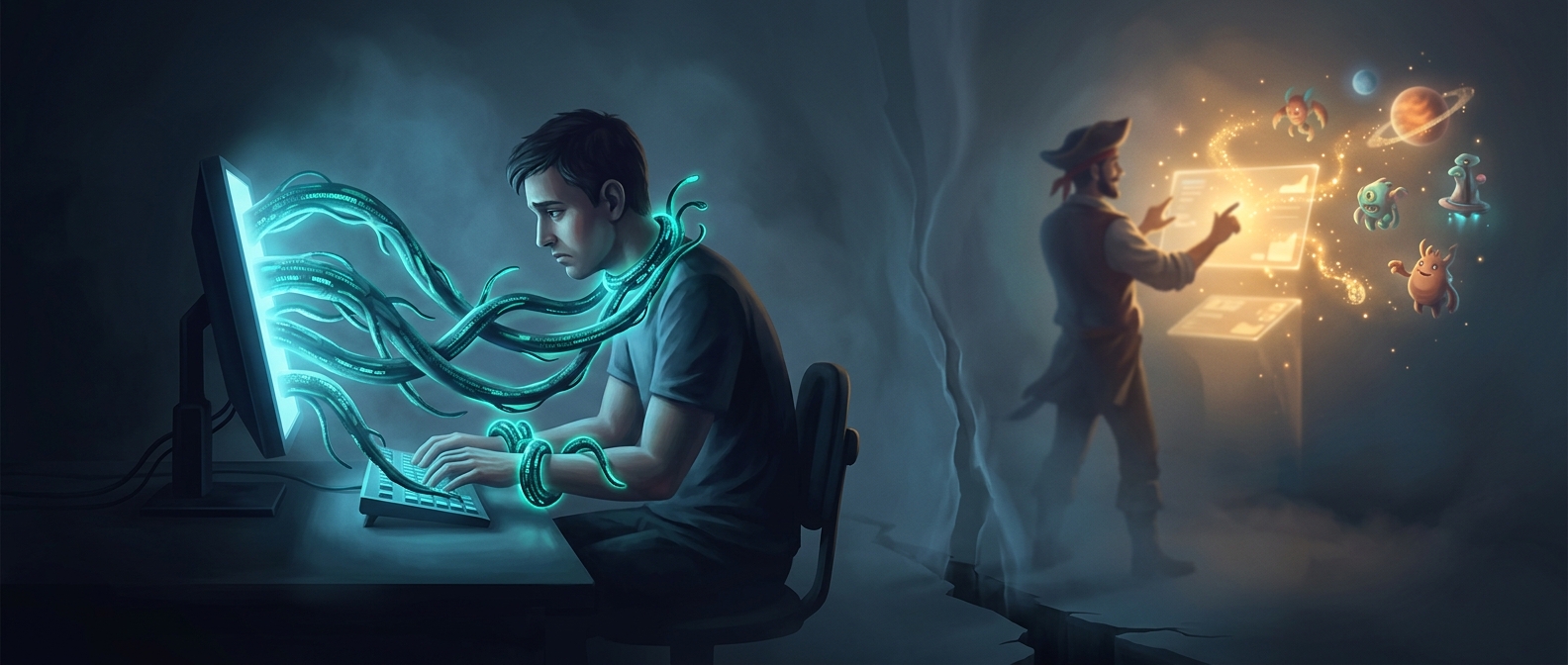
Keeping accounts, saves, or shared features synchronized can make it easier to move between devices and maintain connected services. But a game that requires those systems has made them part of the path to the campaign itself. A local copy of the game cannot answer a server’s check when the network is down.
Some titles offer an offline mode or let a session continue through a short connection loss; others do not. The distinction depends on how the game was built and what its publisher requires. For players, the practical question is not just whether a game is single-player, but whether its essential parts can keep working without a live connection. A game installed on the console may still have an online dependency at its front door.